QHow many days do you need in Bruges?
2 days is the sweet spot for Bruges. What two days buys you is time to slow down: the belfry climb, a canal boat, the Groeningemuseum's Van Eyck, and the Begijnhof, without sprinting between them
QWhen is the best time to visit Bruges?
The best months are April, May, June, September, December.
QIs Bruges expensive?
Bruges sits around the European average. Plan roughly 65 EUR per day on a tight budget, 130 EUR for a comfortable mid-range trip, and 260 EUR and up if you want top hotels and restaurants.
QWhere should first-timers stay in Bruges?
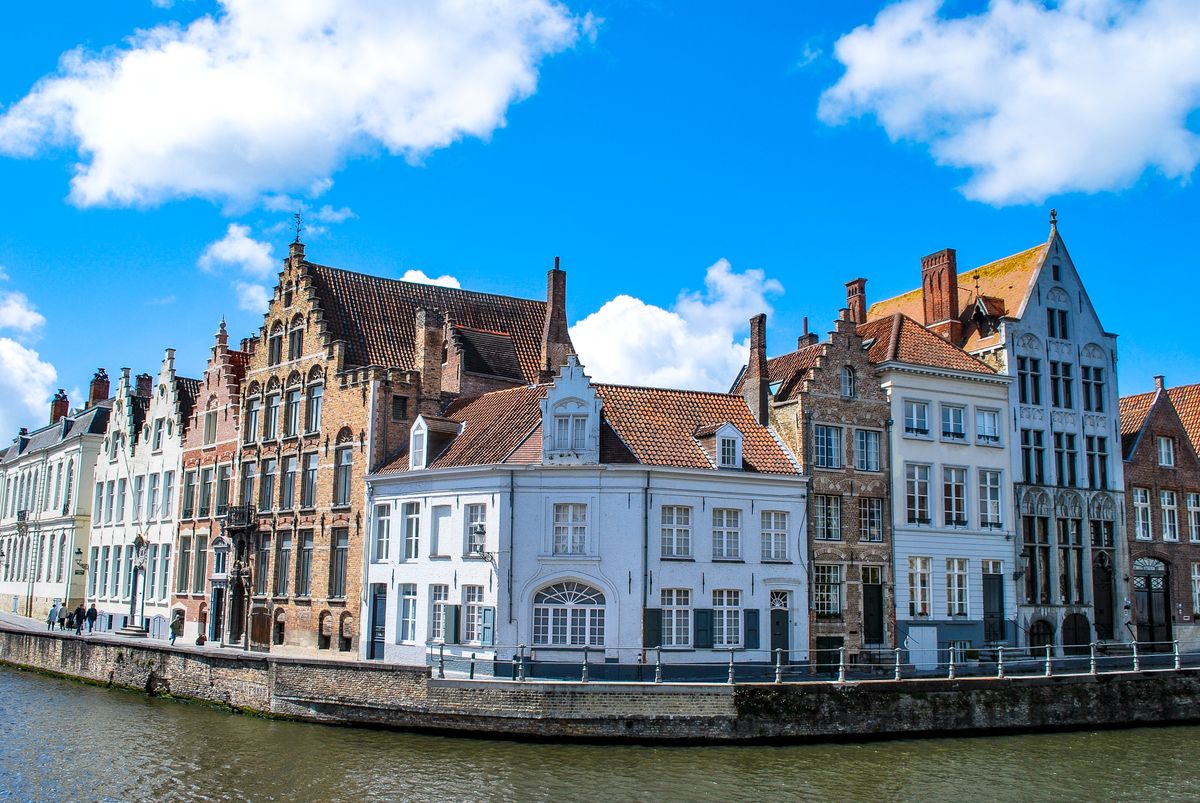
Markt is the safest first-visit base. The main market square under the belfry is the postcard heart of Bruges, ringed by stepped-gable guild houses and the horse-cab rank. It is loud, touristy and priced accordingly by day, but staying here means the belfry, the canals and every headline sight are minutes from your door. Once the coaches leave at 5pm the square softens into something genuinely medieval.
QIs Bruges easy to get around?
Yes. Bruges has a walkable center, so most of a short trip is done on foot. Train from Brussels Airport via Brussels to Bruges, ~1h35, around 20 EUR; skip Brussels South Charleroi, which is much further out. From Bruges station it is a 20-minute walk or a short bus ride to the Markt.
QHow do I get from the airport to the center of Bruges?
Train from Brussels Airport via Brussels to Bruges, ~1h35, around 20 EUR; skip Brussels South Charleroi, which is much further out. From Bruges station it is a 20-minute walk or a short bus ride to the Markt. It is the cheapest and usually the fastest option.
QWhat is Bruges known for?
Bruges is best known for Medieval canals, The Belfry, Belgian chocolate, Flemish art, Trappist beer, Cobbled squares. Bruges was one of the richest cities in medieval Europe, the trading hub of Flanders where wool from England became the finest cloth on the continent.
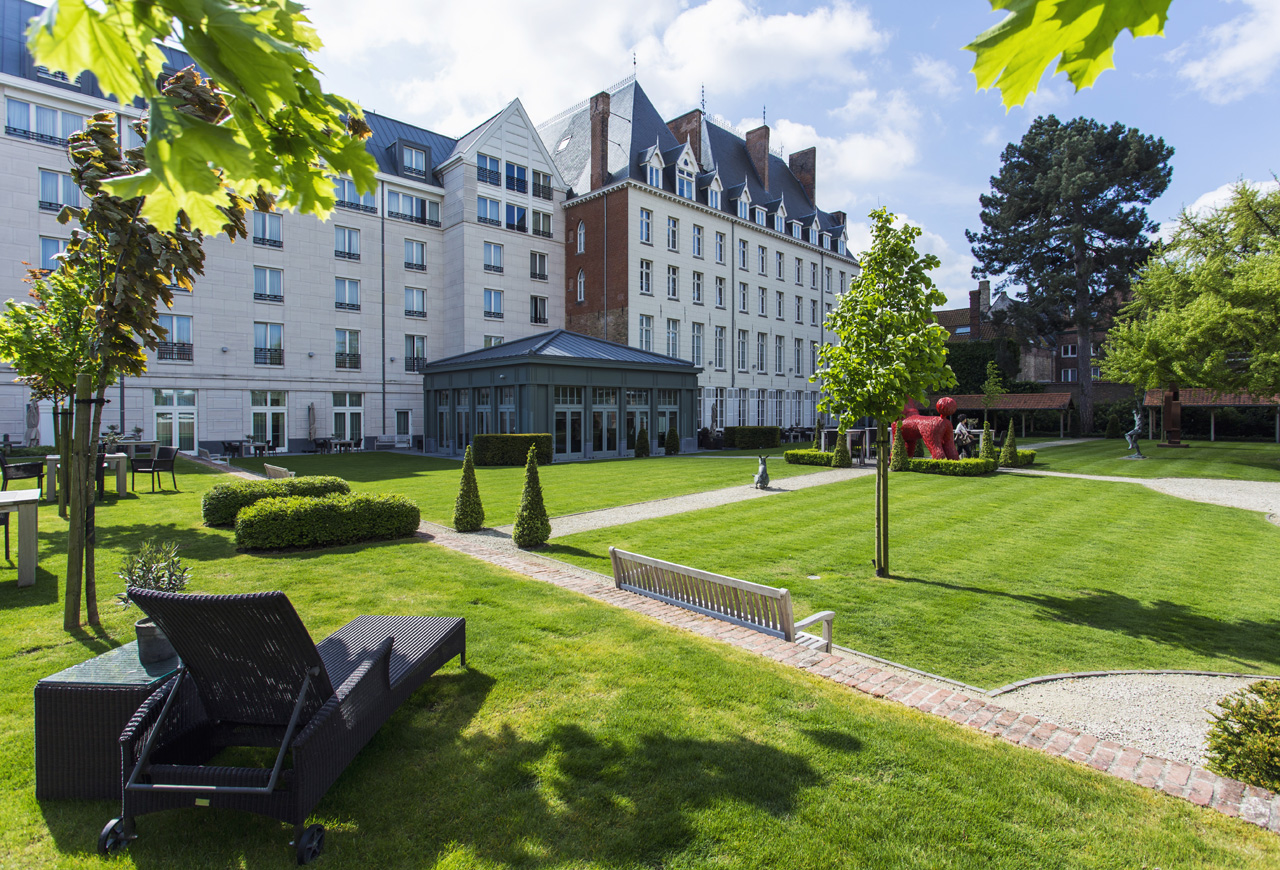 Landmark stay€€€