QHow many days do you need in Antwerp?
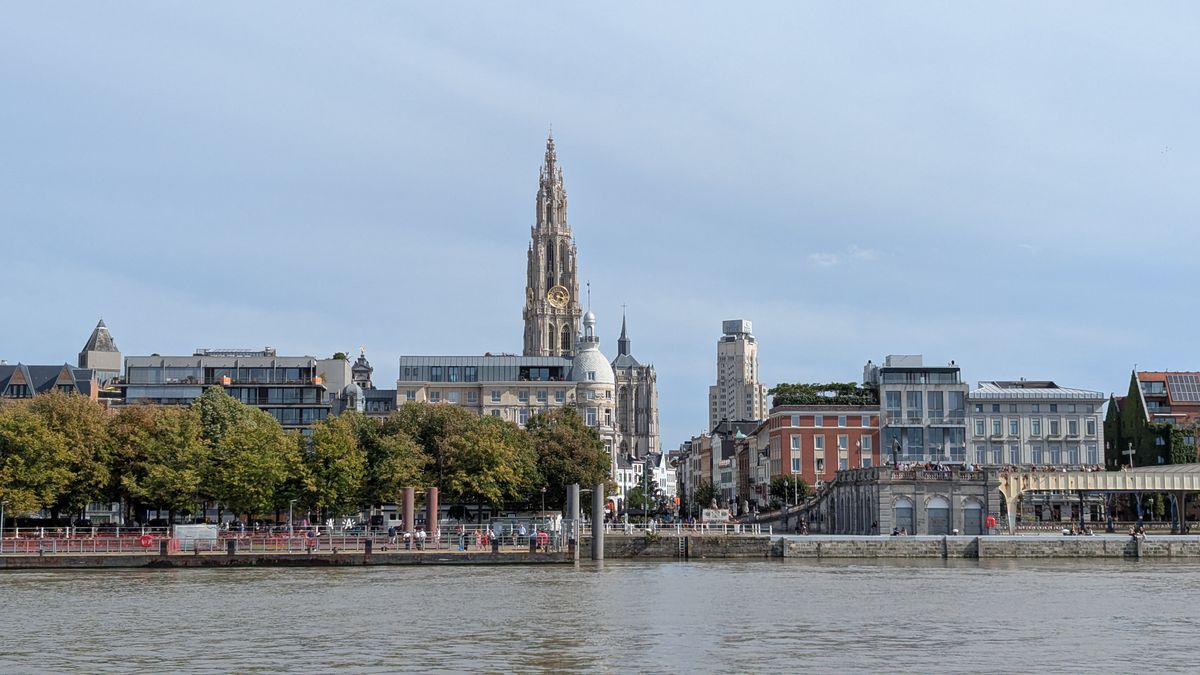
2 days is the sweet spot for Antwerp. Day one takes the medieval core: the Grote Markt and the Brabo fountain, the cathedral with its four Rubens altarpieces, the UNESCO-listed Plantin-Moretus printing house, Het Steen on the quay, and then the 1933 wooden escalators of the Sint-Annatunnel for the skyline view from the far bank
QWhen is the best time to visit Antwerp?
The best months are April, May, June, September, December. Think twice about November: The weakest month of the year: grey, damp, around 10C and dark by five, with little on the calendar until the Christmas lights go up in the last days. Rates are at their lowest and the museums are empty, so come only if the indoor half of the city is what you want.
QIs Antwerp expensive?
Antwerp sits around the European average. Plan roughly 65 EUR per day on a tight budget, 130 EUR for a comfortable mid-range trip, and 260 EUR and up if you want top hotels and restaurants.
QWhere should first-timers stay in Antwerp?
Historic Centre is the safest first-visit base. The old core runs from the Grote Markt and its stepped-gable guild houses down past the cathedral and Groenplaats to the Scheldt quays, a few hundred metres of cobbles holding most of what people come for. Staying here puts the Rubens altarpieces, the Plantin-Moretus house and Het Steen within a five-minute walk, and the square softens once the day visitors head back to the station. It is the obvious base for a first, short trip.
QIs Antwerp easy to get around?
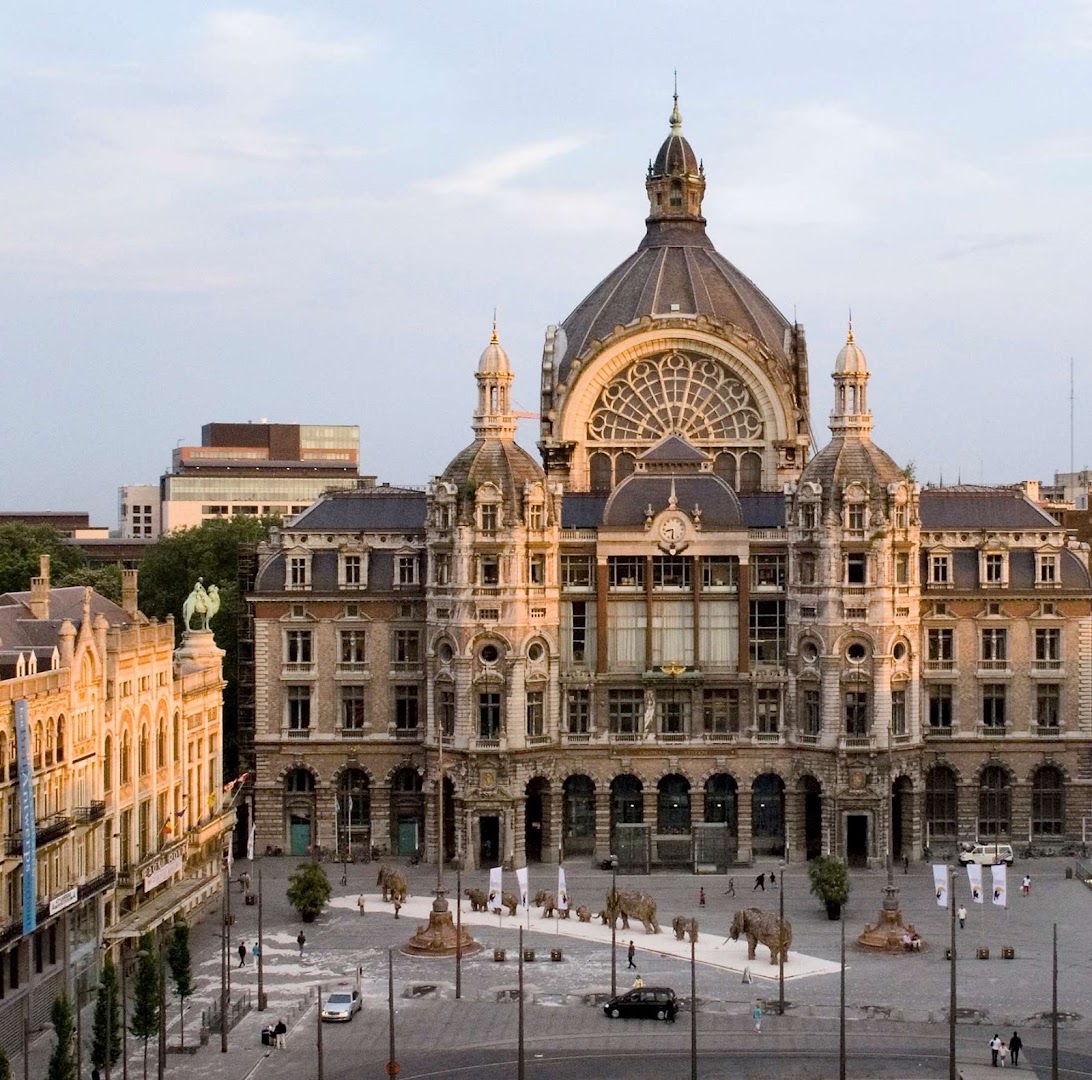
Yes. Antwerp has a walkable center, so most of a short trip is done on foot. Most visitors arrive by train rather than by plane, and they arrive at Antwerpen-Centraal, the stone and iron terminus locals call the railway cathedral. From Brussels Airport (BRU) the direct train reaches Antwerpen-Centraal in about 35 to 45 minutes for roughly 16 to 18 EUR, because every ticket sold at the airport station carries a fixed supplement on top of the normal fare. From Brussels itself the intercity from Brussels-Midi or Brussels-Central runs several times an hour, takes about 45 minutes and costs around 9 EUR, and the high-speed Eurostar services on the Paris to Amsterdam line also stop at Antwerpen-Centraal. Antwerp has its own small airport at Deurne (ANR) about 5km southeast with a handful of routes, linked to the centre by bus in roughly 20 minutes. From Centraal it is a flat 15-minute walk down the Meir to the cathedral, or two stops on the underground tram.
QHow do I get from the airport to the center of Antwerp?
Most visitors arrive by train rather than by plane, and they arrive at Antwerpen-Centraal, the stone and iron terminus locals call the railway cathedral. From Brussels Airport (BRU) the direct train reaches Antwerpen-Centraal in about 35 to 45 minutes for roughly 16 to 18 EUR, because every ticket sold at the airport station carries a fixed supplement on top of the normal fare. From Brussels itself the intercity from Brussels-Midi or Brussels-Central runs several times an hour, takes about 45 minutes and costs around 9 EUR, and the high-speed Eurostar services on the Paris to Amsterdam line also stop at Antwerpen-Centraal. Antwerp has its own small airport at Deurne (ANR) about 5km southeast with a handful of routes, linked to the centre by bus in roughly 20 minutes. From Centraal it is a flat 15-minute walk down the Meir to the cathedral, or two stops on the underground tram. It is the cheapest and usually the fastest option.
QWhat is Antwerp known for?
Antwerp is best known for Peter Paul Rubens, The diamond district, Antwerpen-Centraal station, The Antwerp Six, Scheldt river port, Bolleke De Koninck. Antwerp grew rich because ships could sail deep inland up the Scheldt, and by the middle of the 16th century it was the busiest port and money market in Europe, printing books, cutting diamonds and paying for the paintings of Peter Paul Rubens.
 Couples€€€