QHow many days do you need in Seville?
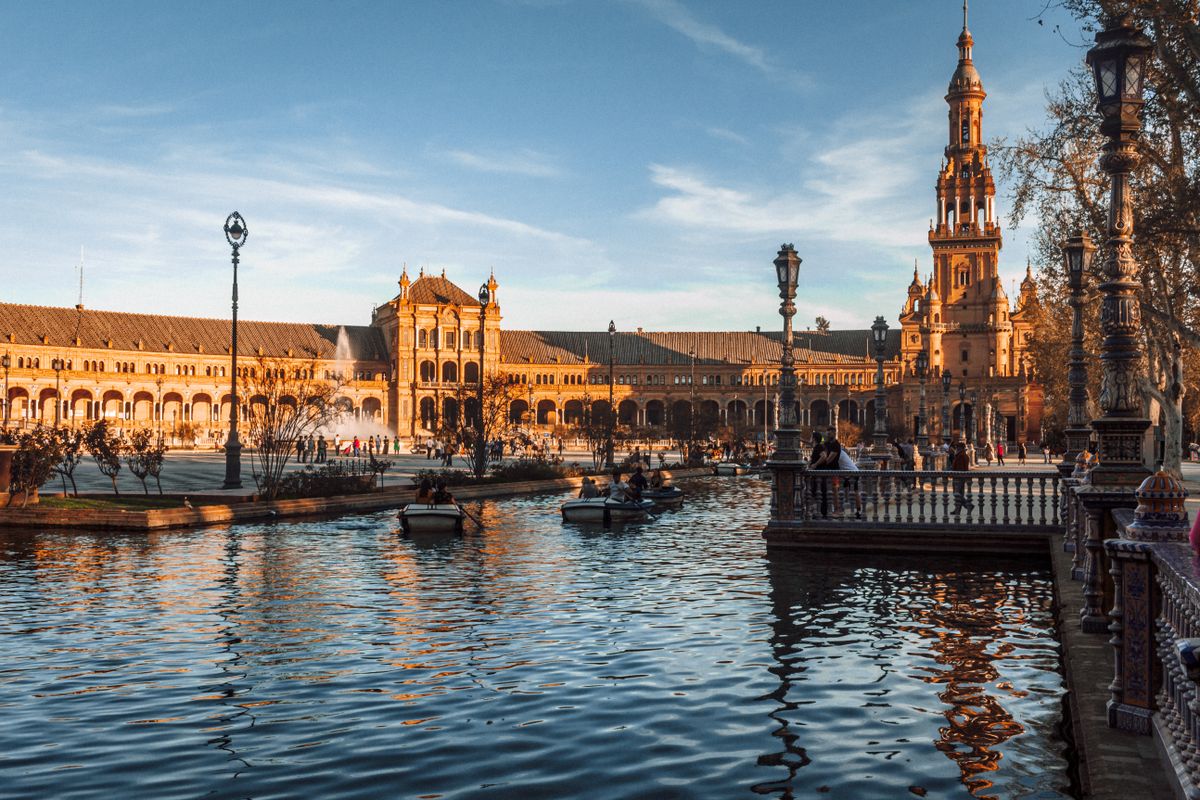
2 days is the sweet spot for Seville. The center is compact and flat, so the Alcazar, the Cathedral with the Giralda, Plaza de Espana and an evening in Triana all fit without rushing
QWhen is the best time to visit Seville?
The best months are March, April, May, October, November. Think twice about July / August: Highs regularly hit 36 to 40C and the streets empty between 2pm and 8pm. Hotels are cheap and lines short, but only come if you can build your day entirely around early mornings and late nights.
QIs Seville expensive?
Seville sits around the European average. Plan roughly 60 EUR per day on a tight budget, 120 EUR for a comfortable mid-range trip, and 240 EUR and up if you want top hotels and restaurants.
QWhere should first-timers stay in Seville?
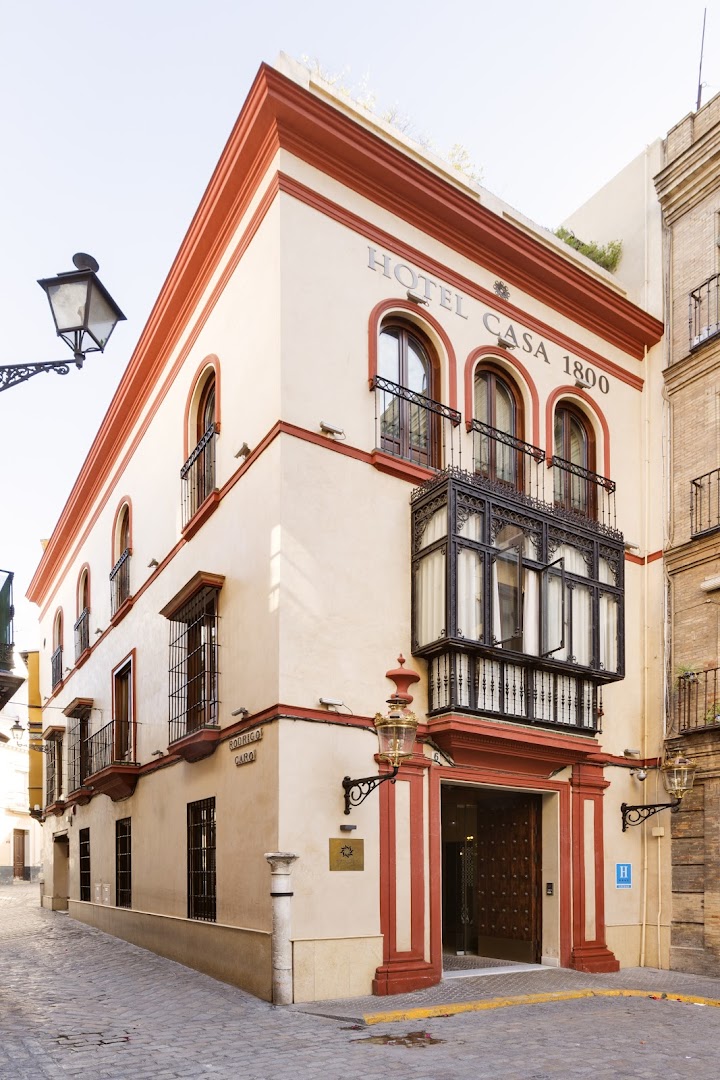
Barrio Santa Cruz is the safest first-visit base. The old Jewish quarter is a maze of whitewashed lanes, orange trees and patios directly behind the Alcazar and the Cathedral. Daytime brings heavy tour-group traffic, but after 8pm the alleys empty out and the restaurants light their courtyards. Staying here means every big sight is under five minutes on foot.
QIs Seville easy to get around?
Yes. Seville has a walkable center, so most of a short trip is done on foot. EA airport bus to Plaza de Armas, ~35 min, 4 EUR
QHow do I get from the airport to the center of Seville?
EA airport bus to Plaza de Armas, ~35 min, 4 EUR It is the cheapest and usually the fastest option.
QWhat is Seville known for?
Seville is best known for Real Alcazar, Flamenco, Plaza de Espana, Orange trees, Semana Santa, Tapas culture. Seville was Roman Hispalis and then, for over five centuries, the Moorish city of Ishbiliya, which is why the cathedral's bell tower, La Giralda, began life as a minaret and the Alcazar is still a working Mudejar palace.
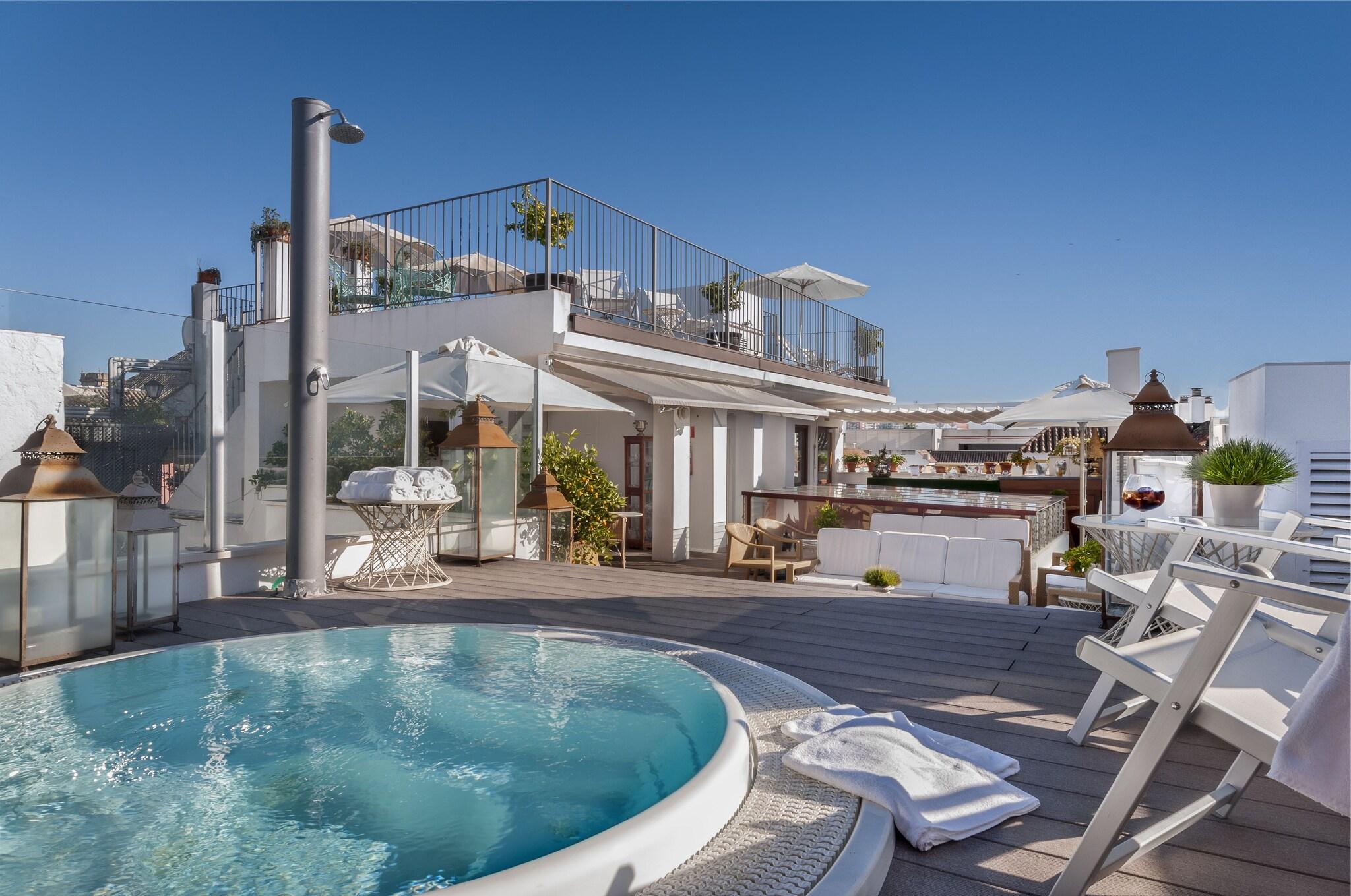
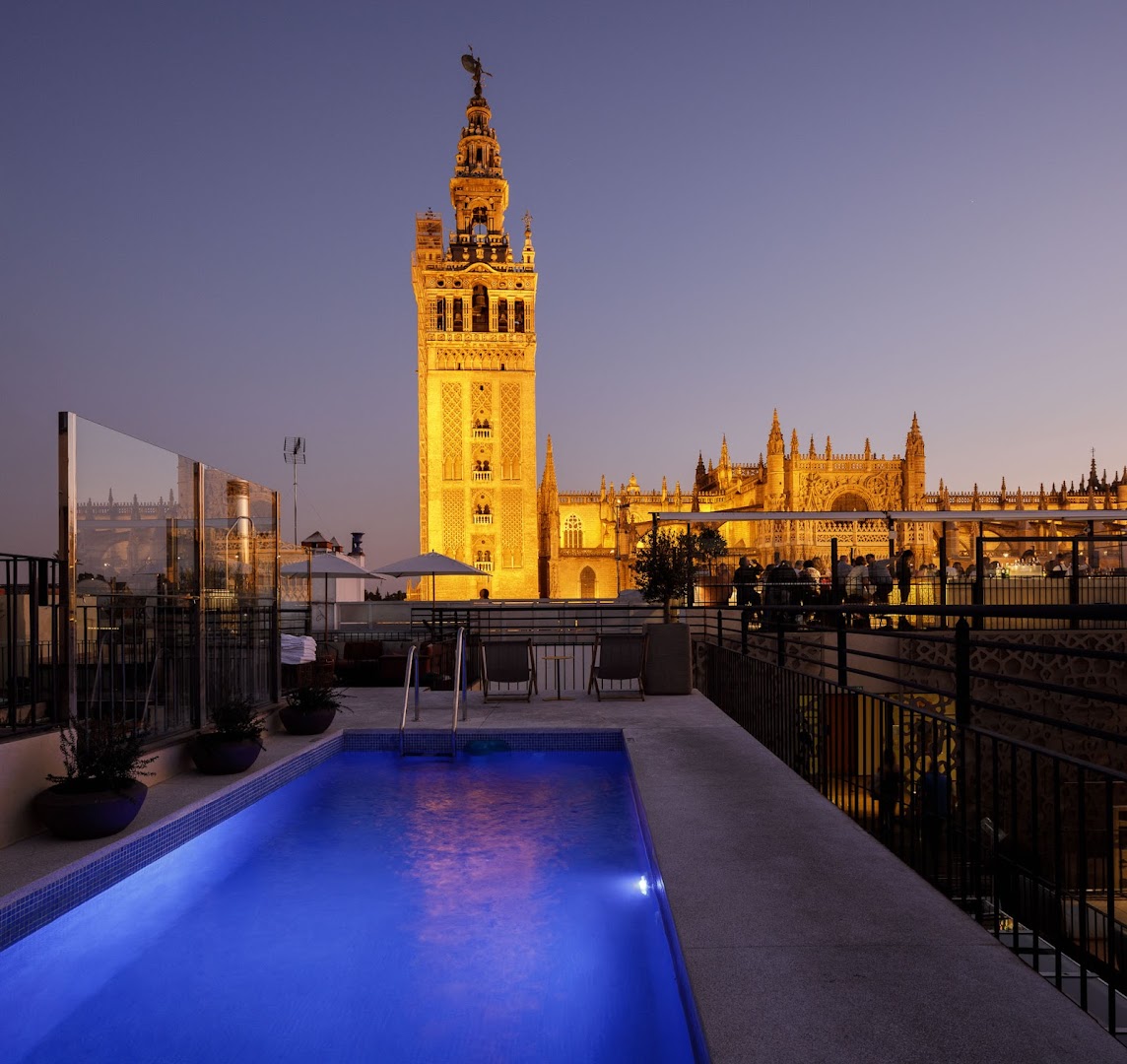 Sunset drinks€€€