PerfectCityBreak
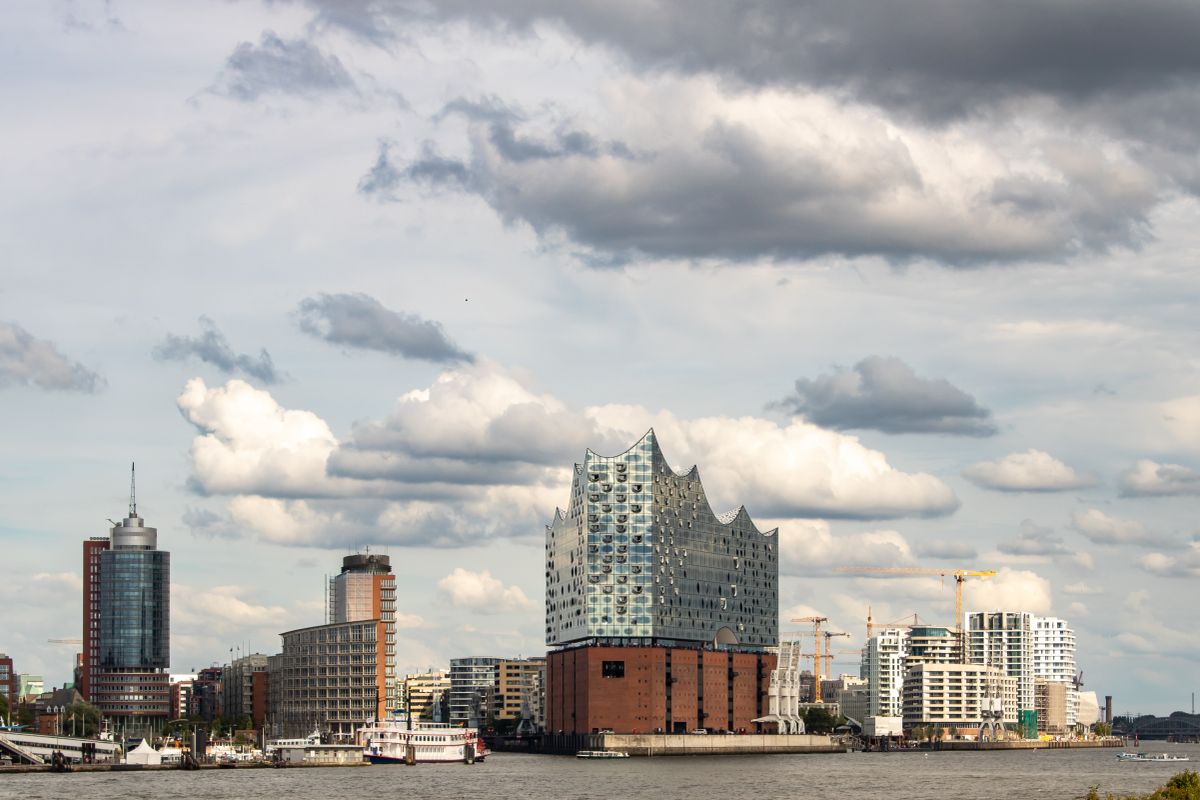
The Elbphilharmonie concert hall and the HafenCity waterfront seen across the Elbe in Hamburg
Germany3 days ideal

Hamburg

Germany's port city: red-brick warehouses, harbour ferries and a concert hall on the water.

City break passHAM · GERMANY

Hamburg works best as a 3-day city break. Hamburg is Germany's biggest port and its second city, built on water rather than on a cathedral square, with more bridges inside the city limits than Venice and Amsterdam put together. The red-brick Speicherstadt warehouse district and the neighbouring Kontorhausviertel, with the ship-shaped Chilehaus at its centre, have been a UNESCO World Heritage site since 2015, and the Elbphilharmonie concert hall sits on top of an old quayside warehouse with a free public viewing plaza part-way up. Two artificial lakes, the Binnenalster and the far larger Outer Alster, put sailing boats and rowing crews five minutes from the shopping streets, while St Pauli and the Reeperbahn provide the nightlife and the Sunday Fischmarkt in Altona starts at dawn and finishes before most people have had breakfast. The harbour ferries are ordinary public transport, so a normal transit ticket buys you a river cruise. This guide splits two, three or four days: the harbour and the warehouse district first, then the old centre and the Alster, then St Pauli, Altona and the museums.

Ideal stay

3 days

Best months

May · Jun · Jul

Mid budget

140 EUR/day

Airport

Hamburg Airport has its own S-Bahn station under the terminals

Where we would sleep in Hamburg

Four picks that cover the realistic range, from splurge to budget. Prices are low-season starting points; check live rates for your dates.

See all Hamburg hotels
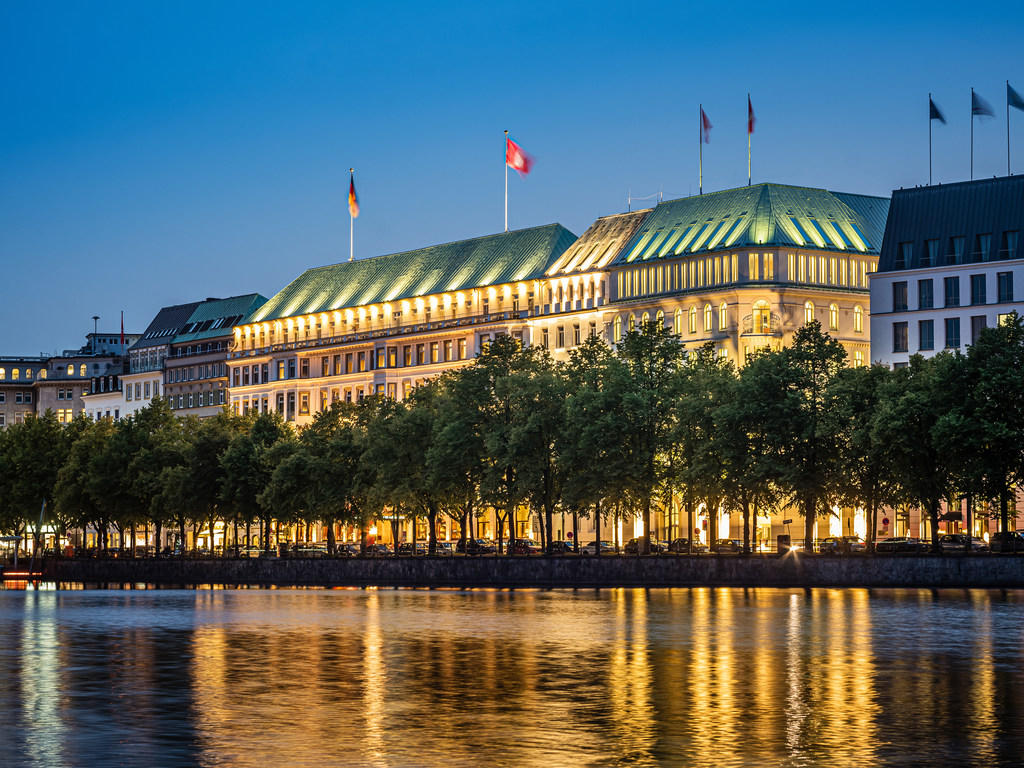
Fairmont Hotel Vier Jahreszeiten, HamburgSpecial occasions€€€

Grand hotel on the Alster · Altstadt and Neustadt

Fairmont Hotel Vier Jahreszeiten

Hamburg's grand old address has faced the Binnenalster since 1897, with antique-furnished rooms and afternoon tea in the Wohnhalle lounge. The best rooms look straight across the lake, and the Jungfernstieg shops and the Rathaus are a few minutes on foot.

from ~340 EUR/night

Check prices
25hours Hotel Hamburg HafenCity, HamburgDesign lovers€€

Sailor-themed design hotel · HafenCity and Speicherstadt

25hours Hotel Hamburg HafenCity

Rooms here are built around a seafarers' theme, with bunk-style cabins, a sauna and a record player you can borrow at reception. It stands in HafenCity a short walk from the Maritime Museum, the Speicherstadt and the Elbphilharmonie.

from ~150 EUR/night

Check prices
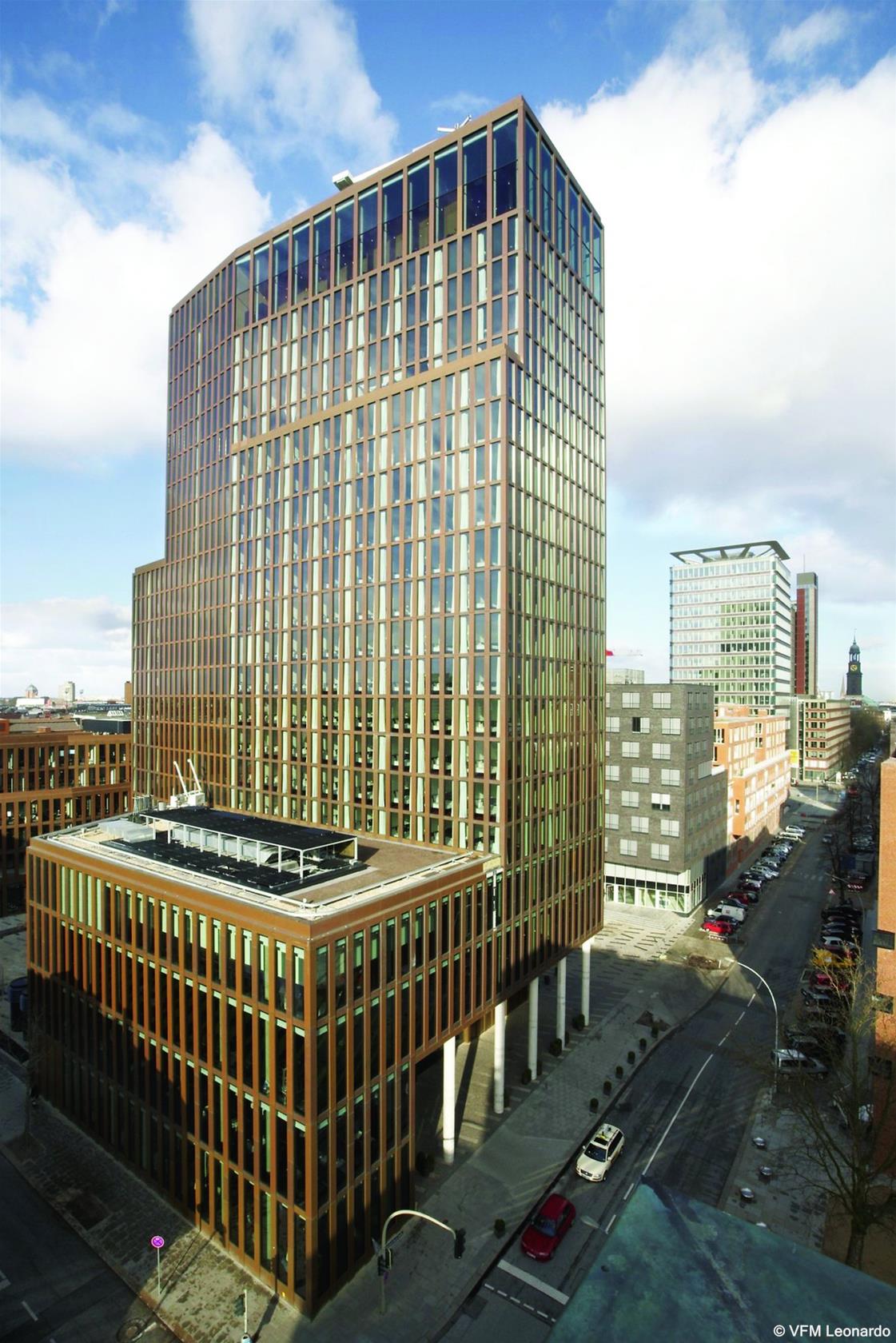
Empire Riverside Hotel, HamburgHarbour views€€

Harbour-view tower · St Pauli

Empire Riverside Hotel

A David Chipperfield tower above the St Pauli slopes where nearly every room looks over the harbour and the Elbe. The 20up skyline bar on the twentieth floor is open to non-guests from 6pm, so you can scout the view before you book.

from ~140 EUR/night

Check prices
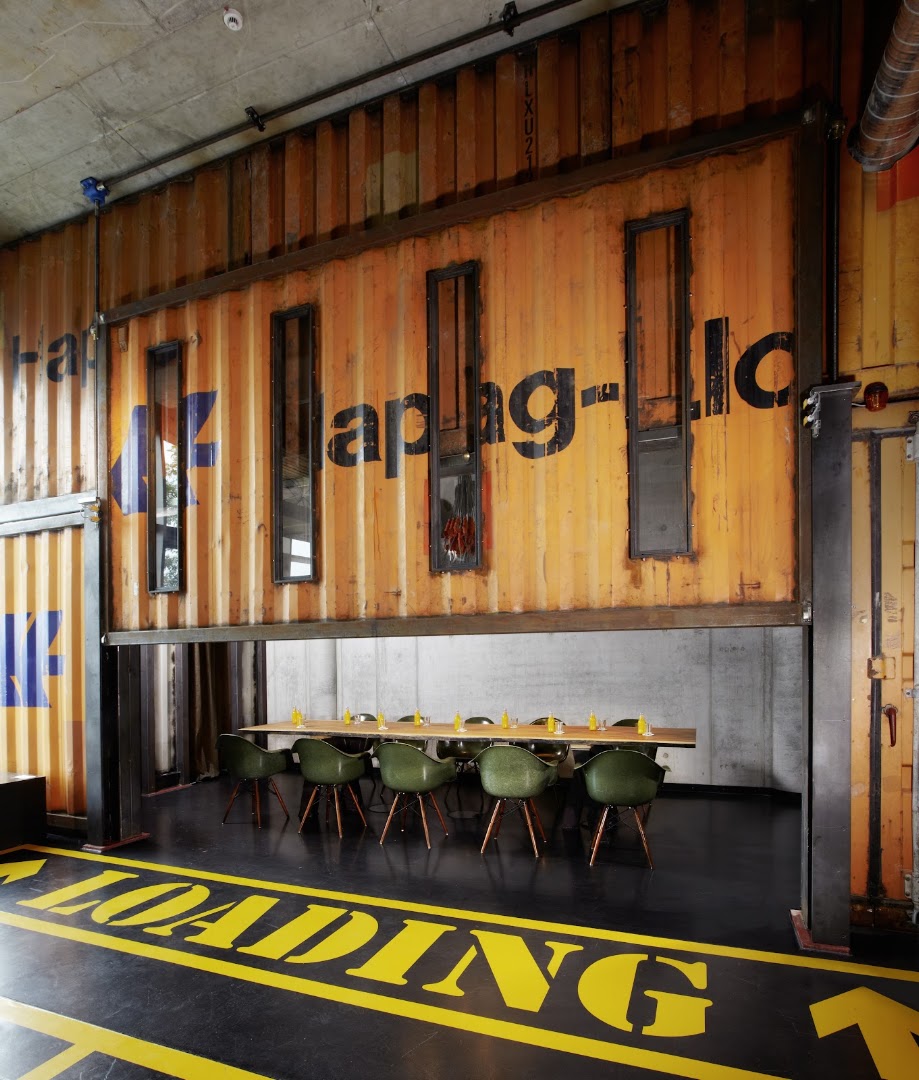
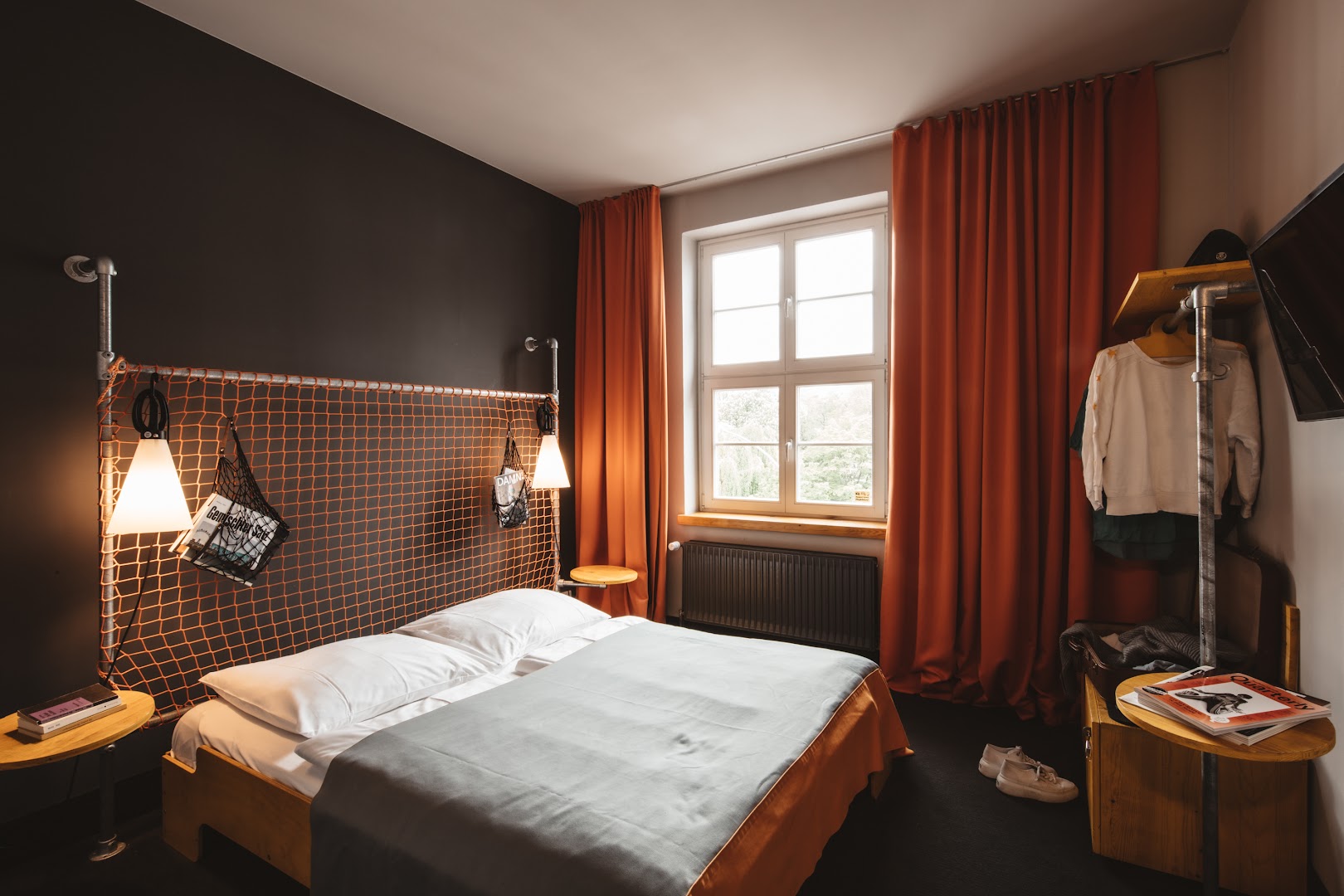
Superbude St. Pauli, HamburgBudget

Hostel-hotel hybrid · Sternschanze

Superbude St. Pauli

A cheerful design hostel-hotel that mixes dorms with private and family rooms, all sharing a lively lobby cafe. It sits between the Schanzenviertel bars and the Reeperbahn, with the S-Bahn at Sternschanze a few minutes away.

from ~65 EUR/night

Check prices

Real hotel photos · prices are indicative from-rates, not live quotes · booking links support the site at no extra cost

Hotel prices right now

Hotels in Hamburg
Loading hotel map…
Map shows live hotel prices. Open the full hotel search. Booking through it supports the site at no extra cost.

A little history

Hamburg grew from a ninth-century fort on the marshy ground between the Elbe and the Alster into the richest port in northern Germany, and it still calls itself a Free and Hanseatic City after centuries of running its own trade and its own affairs. A charter tradition dating back to 1189 gave its merchants customs privileges on the Elbe, and the city marks that grant every May with the Hafengeburtstag, the harbour birthday. Fire destroyed much of the centre in 1842 and Allied bombing flattened far more in 1943, which is why so much of what you walk through is late nineteenth century red brick or postwar rebuild rather than medieval. The warehouse district of the Speicherstadt, built on oak piles from 1883, and the neighbouring Kontorhaus office quarter with the sharp-prowed Chilehaus were listed together by UNESCO in 2015, and the Elbphilharmonie opened on top of an old cocoa warehouse in January 2017 after a decade of delays and cost overruns.
Hamburg is known for

  • Elbphilharmonie
  • Speicherstadt warehouses
  • Europe's third-largest port
  • Reeperbahn nightlife
  • Sunday Fischmarkt
  • Alster lakes

How many days in Hamburg?

Pick the itinerary that matches your trip. Each one is a full day-by-day plan, not a list of 30 things to squeeze in.

Where to stay in Hamburg

Hamburg is spread out, so picking the right base saves you hours of transit.

Full comparison

Hamburg, month by month

Colored months are the sweet spot. Struck-through months come with a warning. Each page covers weather, crowds, prices and what to pack.

Tight budget?

Hamburg on a budget: same trip, around 70 EUR a day

Read the budget guide →

Quick questions, straight answers

QHow many days do you need in Hamburg?

3 days is the sweet spot for Hamburg. It covers the harbour and the Speicherstadt, the old centre and the Alster, and still leaves a full day for St Pauli, the Old Elbe Tunnel and Altona with Ottensen, which is where the city actually eats

QWhen is the best time to visit Hamburg?

The best months are May, June, July, September. Think twice about January / November: The quietest and cheapest month, cold and grey at around 4C with darkness by half past four and a wind off the water that makes it feel colder. Hotel rates bottom out and the museums, Miniatur Wunderland and the Elbphilharmonie concert season carry the trip indoors. In a hard winter the Outer Alster occasionally freezes solid enough for the Alstereisvergnugen ice festival, but that has not happened since 2012, so do not plan around it.

QIs Hamburg expensive?

Hamburg sits around the European average. Plan roughly 70 EUR per day on a tight budget, 140 EUR for a comfortable mid-range trip, and 275 EUR and up if you want top hotels and restaurants.

QWhere should first-timers stay in Hamburg?

Altstadt and Neustadt is the safest first-visit base. The twin central districts wrap around the town hall, the Binnenalster and the arcaded shopping streets, with the Kontorhausviertel on one side and the church towers on the other. Everything is level and walkable, the Hauptbahnhof and the S-Bahn are minutes away, and the Speicherstadt starts at the southern edge. Base here on a first trip when you want the centre, the water and the transport all within a few streets.

QIs Hamburg easy to get around?

Hamburg is spread out, so plan on public transport between areas. Hamburg Airport has its own S-Bahn station under the terminals, and the S1 runs straight through to the Hauptbahnhof in about 25 minutes, roughly every ten minutes through the day. Any HVV single ticket for the Hamburg AB zone covers the ride, around 4 EUR from the machine and slightly less bought in the hvv app, with no airport surcharge. Going back out, the S1 splits at Ohlsdorf, so ride in the front carriages, which are the ones signed for the airport. A taxi to the centre costs roughly 30 to 40 EUR and takes 20 to 30 minutes outside rush hour. Plenty of visitors skip flying altogether, because Hamburg Hbf is one of the busiest ICE hubs in Germany: Berlin is about 1h45 to 2h away, Cologne around 4 hours and Copenhagen roughly 5 hours by direct train.

QHow do I get from the airport to the center of Hamburg?

Hamburg Airport has its own S-Bahn station under the terminals, and the S1 runs straight through to the Hauptbahnhof in about 25 minutes, roughly every ten minutes through the day. Any HVV single ticket for the Hamburg AB zone covers the ride, around 4 EUR from the machine and slightly less bought in the hvv app, with no airport surcharge. Going back out, the S1 splits at Ohlsdorf, so ride in the front carriages, which are the ones signed for the airport. A taxi to the centre costs roughly 30 to 40 EUR and takes 20 to 30 minutes outside rush hour. Plenty of visitors skip flying altogether, because Hamburg Hbf is one of the busiest ICE hubs in Germany: Berlin is about 1h45 to 2h away, Cologne around 4 hours and Copenhagen roughly 5 hours by direct train. It is the cheapest and usually the fastest option.

QWhat is Hamburg known for?

Hamburg is best known for Elbphilharmonie, Speicherstadt warehouses, Europe's third-largest port, Reeperbahn nightlife, Sunday Fischmarkt, Alster lakes. Hamburg grew from a ninth-century fort on the marshy ground between the Elbe and the Alster into the richest port in northern Germany, and it still calls itself a Free and Hanseatic City after centuries of running its own trade and its own affairs.