QHow many days do you need in Porto?
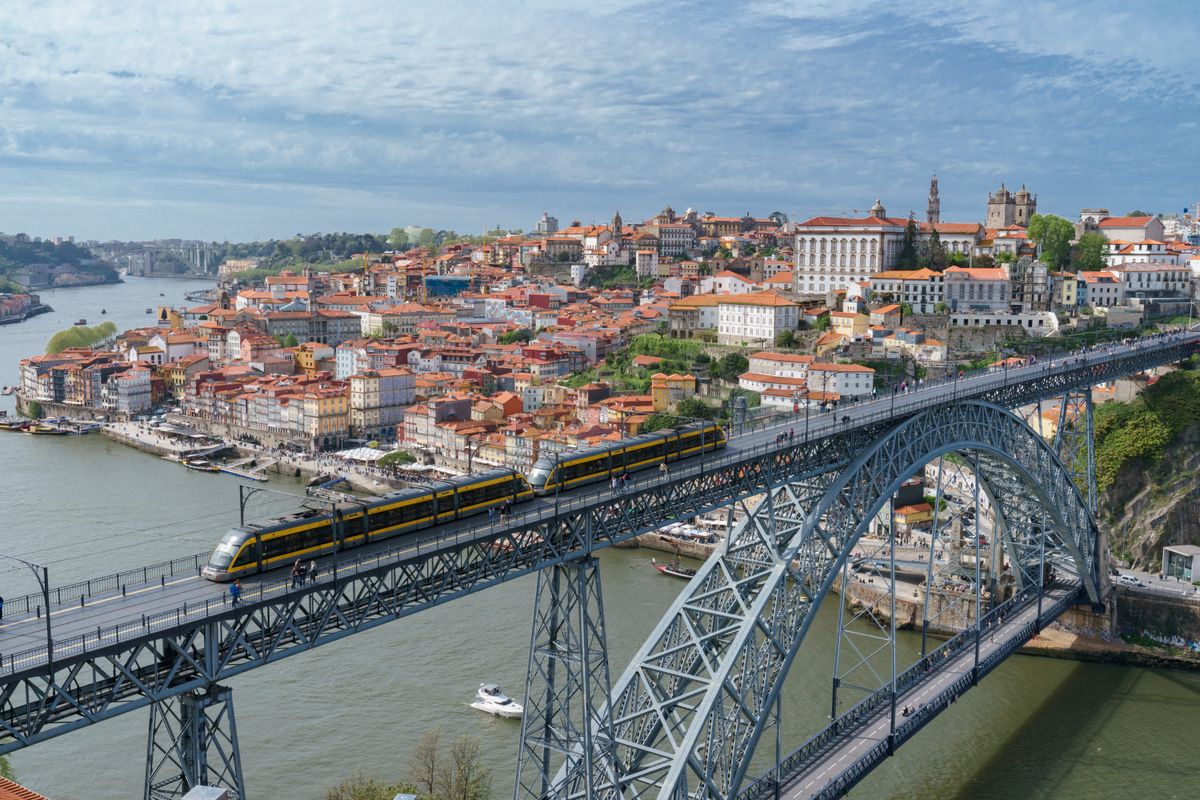
2 days is the sweet spot for Porto. In 48 hours you can see the azulejos at Sao Bento, book into Livraria Lello early, climb the Clerigos tower, walk the Ribeira and cross the upper deck of the Dom Luis I bridge, then spend an afternoon tasting in the Gaia port lodges
QWhen is the best time to visit Porto?
The best months are May, June, September, October. Think twice about January: The wettest month of the year, with 13C days, grey Atlantic fronts, and short daylight. Upside: port lodges in Gaia are near empty, tastings are unhurried, and hotel rates hit their annual floor.
QIs Porto expensive?
Porto sits below the European average. Plan roughly 60 EUR per day on a tight budget, 110 EUR for a comfortable mid-range trip, and 220 EUR and up if you want top hotels and restaurants.
QWhere should first-timers stay in Porto?
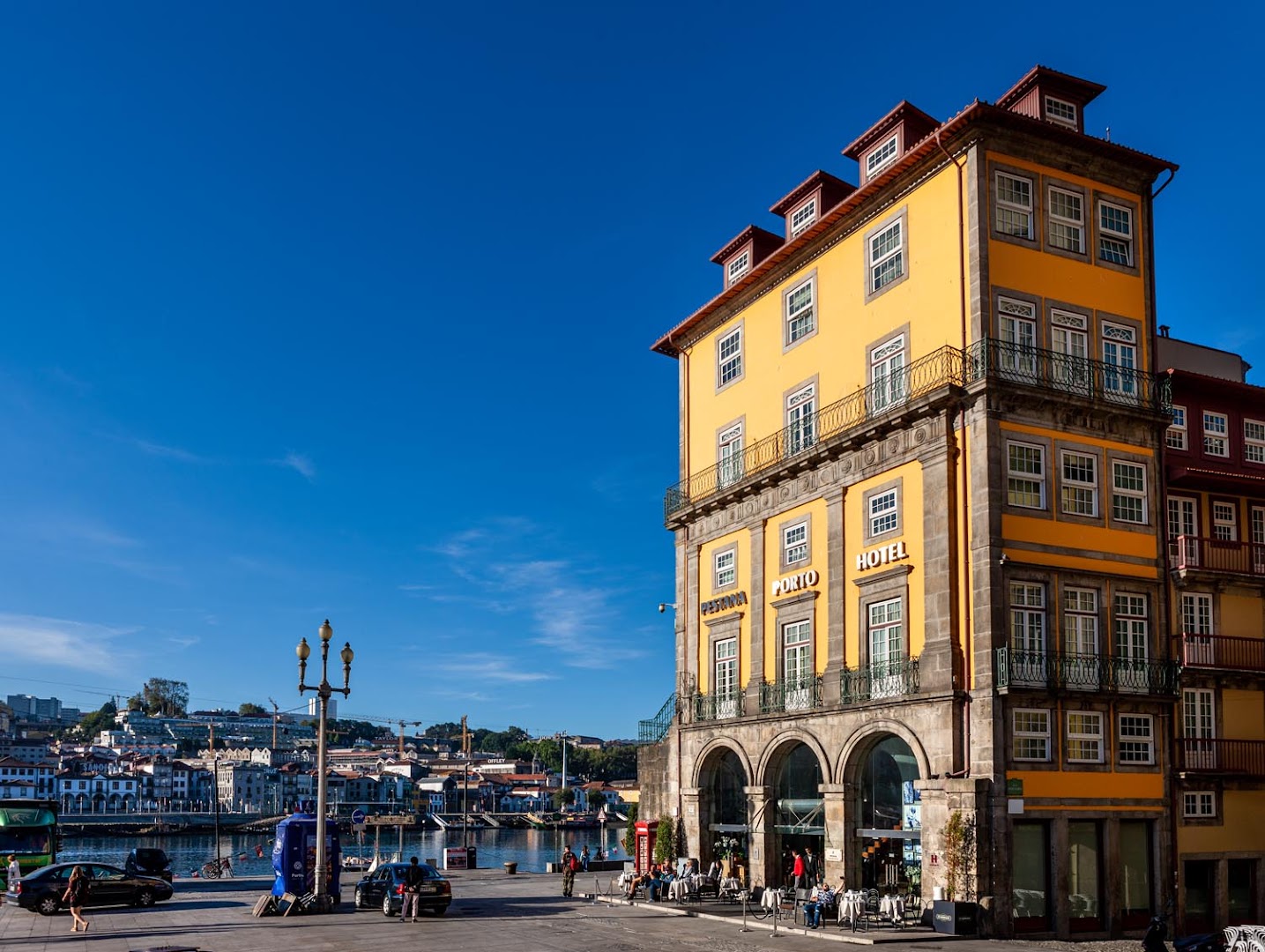
Ribeira is the safest first-visit base. Porto's postcard: a tight tangle of medieval lanes and arcaded quays dropping straight to the Douro under the Dom Luis I bridge. Colored houses lean over the water, boats bob at the wall, and the whole thing glows at sunset. It is the most atmospheric place to sleep in the city, and the most touristy.
QIs Porto easy to get around?
Yes. Porto has a walkable center, so most of a short trip is done on foot. Metro line E (purple) straight from the airport, about 35 min to Trindade in the center, 2.60 EUR including the reusable Andante card
QHow do I get from the airport to the center of Porto?
Metro line E (purple) straight from the airport, about 35 min to Trindade in the center, 2.60 EUR including the reusable Andante card It is the cheapest and usually the fastest option.
QWhat is Porto known for?
Porto is best known for Port wine cellars, Dom Luis I bridge, Ribeira riverfront, Livraria Lello, Azulejo stations, Francesinha. Porto gave Portugal both its name, from the Roman port of Portus Cale, and its reputation for hard work and independence.
 Views€€€