QHow many days do you need in Prague?
3 days is the sweet spot for Prague. Two days forces you to sprint the castle and old town back to back; the third day adds Vysehrad, the Letna beer garden and time to sit in a pub without watching the clock
QWhen is the best time to visit Prague?
The best months are April, May, June, September, October, December. Think twice about July / August: Peak season: 25C days, packed Charles Bridge by 9am, and the highest room rates of the summer. If you must come now, do the big sights before 8am and save afternoons for parks and the river.
QIs Prague expensive?
Prague sits below the European average. Plan roughly 55 EUR per day on a tight budget, 110 EUR for a comfortable mid-range trip, and 220 EUR and up if you want top hotels and restaurants.
QWhere should first-timers stay in Prague?
Stare Mesto (Old Town) is the safest first-visit base. The medieval core around Old Town Square, all cobbles, spires and lanes that dead-end into courtyards. By day it is the busiest square kilometer in the country; after 10pm the tour groups vanish and it turns quiet fast. Everything a first-timer wants is within ten minutes on foot.
QIs Prague easy to get around?
Yes. Prague has a walkable center, so most of a short trip is done on foot. Bus 119 to Nadrazi Veleslavin, then metro line A to the center, about 45 min total for around 2 EUR. The AE express bus runs direct to the main train station if you prefer one vehicle.
QHow do I get from the airport to the center of Prague?
Bus 119 to Nadrazi Veleslavin, then metro line A to the center, about 45 min total for around 2 EUR. The AE express bus runs direct to the main train station if you prefer one vehicle. It is the cheapest and usually the fastest option.
QWhat is Prague known for?
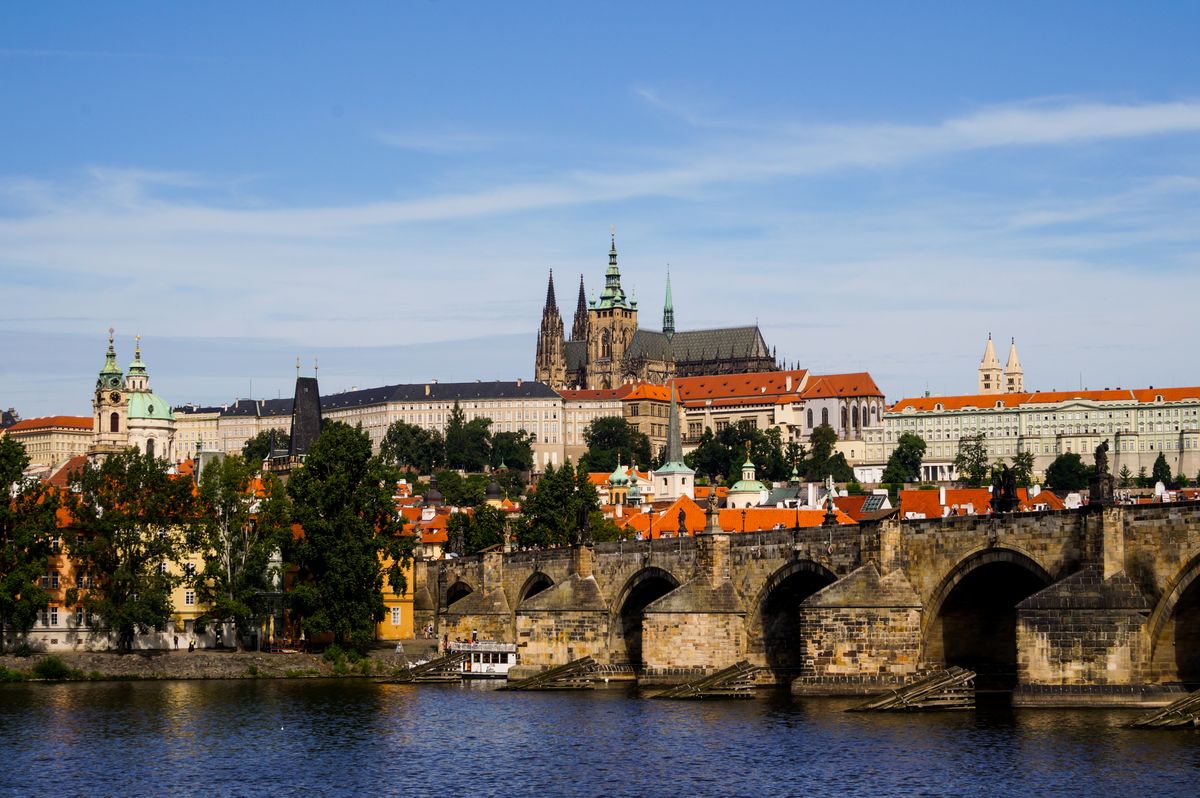
Prague is best known for Charles Bridge, Prague Castle, Astronomical Clock, Cheap beer, Baroque skyline, Christmas markets. Prague grew up around a ford on the Vltava and a hilltop castle founded around 880, and by the 14th century it was the seat of Holy Roman Emperor Charles IV, who built the Charles Bridge, the New Town and central Europe's oldest university.
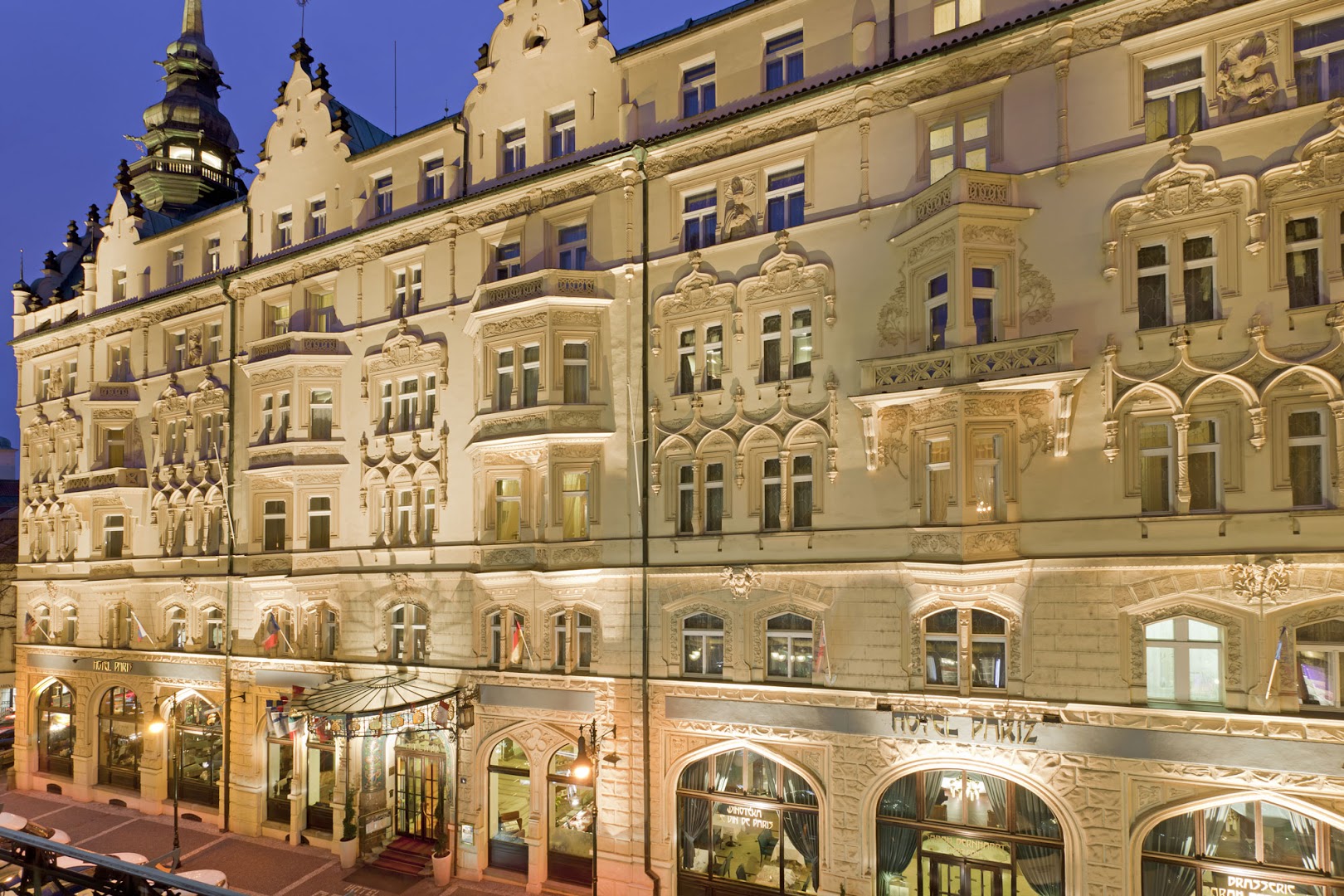 Old-world glamour€€€