PerfectCityBreak
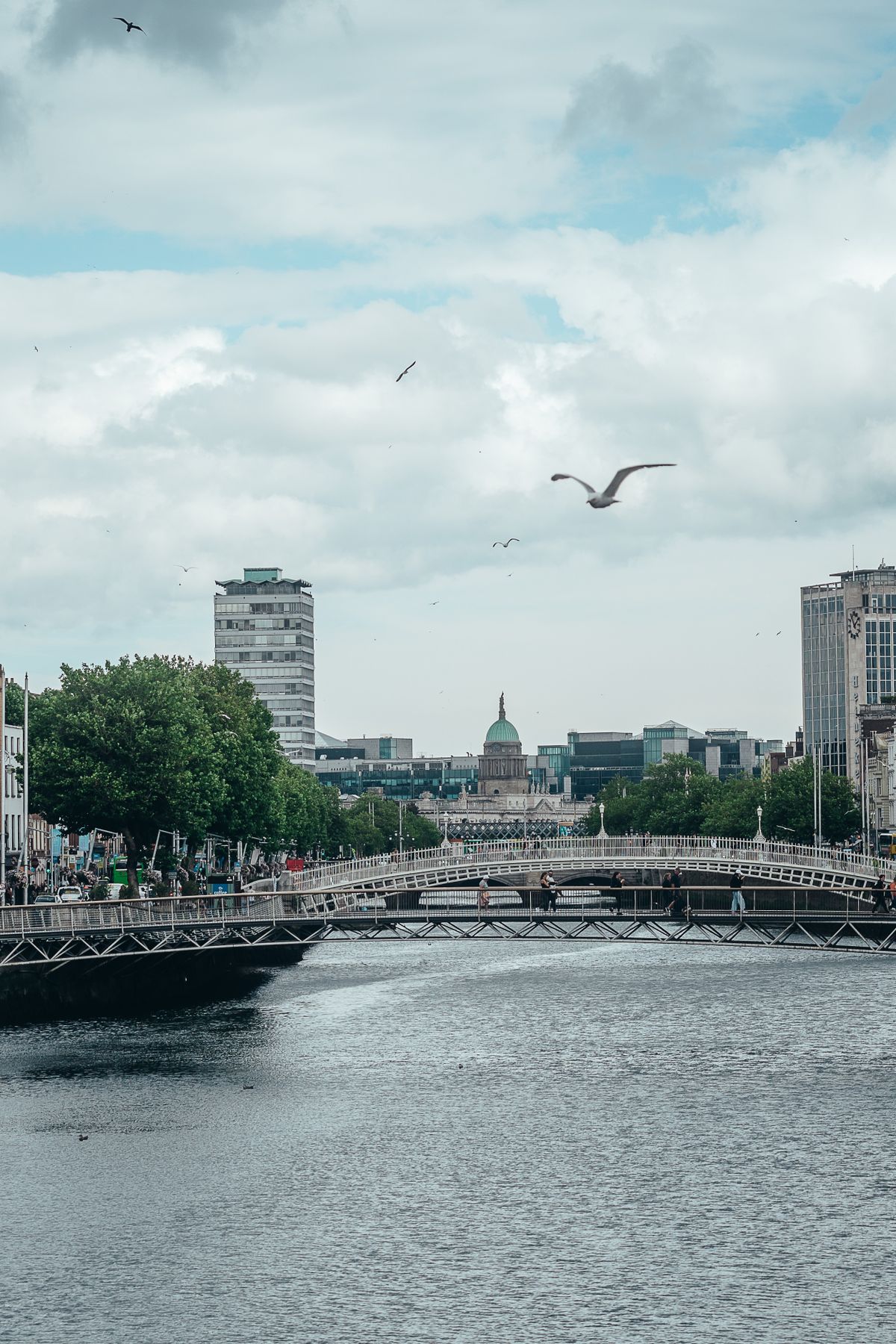
The Ha'penny Bridge over the River Liffey in Dublin with the green dome of the Custom House behind
Ireland2 days ideal

Dublin

Georgian squares, the Book of Kells and a Guinness by the Liffey: a compact literary capital in two days.

City break passDUB · IRELAND

Dublin works best as a 2-day city break. Dublin packs its headline sights into a walkable centre split by the River Liffey, with Trinity College, the Georgian squares and Grafton Street on the south bank and O'Connell Street and museums fanning out from the north. Book the Book of Kells and the Guinness Storehouse online before you fly, because both sell timed slots that fill in season, and reserve Kilmainham Gaol days ahead since it books out fastest of all. The real pull is the pub culture and the live traditional music, best found a few streets back from the Temple Bar tourist crush. The weather is mild but changeable year round, so pack layers and a rain shell whatever the forecast, and split two or three days so you see the core without a rush.

Ideal stay

2 days

Best months

May · Jun · Jul

Mid budget

140 EUR/day

Airport

Dublin Airport has no rail or tram link

Where we would sleep in Dublin

Four picks that cover the realistic range, from splurge to budget. Prices are low-season starting points; check live rates for your dates.

See all Dublin hotels
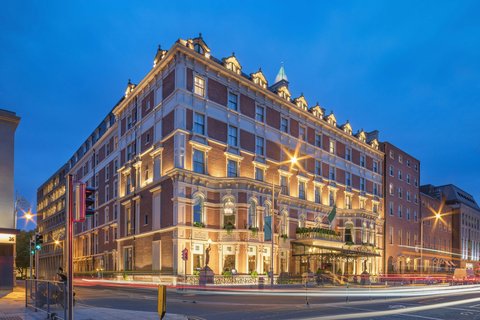
The Shelbourne, DublinSpecial occasions€€€

Landmark grand hotel · Creative Quarter and Grafton Street

The Shelbourne

Dublin's grande dame since 1824, looking straight onto St Stephen's Green with the shops of Grafton Street a minute away. The Irish constitution was drafted upstairs in room 112 in 1922, and afternoon tea in the Lord Mayor's Lounge is still an institution.

from ~320 EUR/night

Check prices
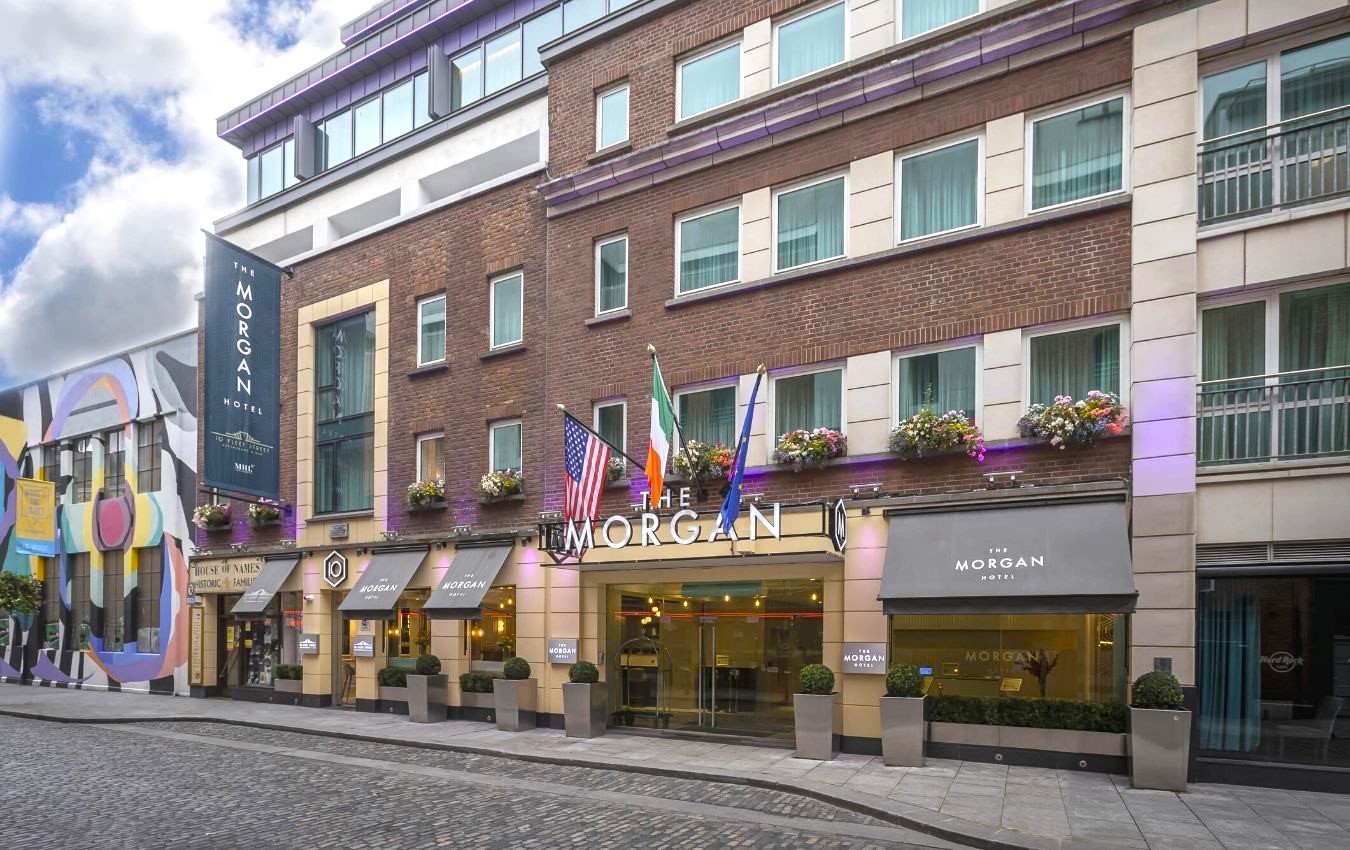
The Morgan, DublinFirst visit€€

Design boutique · Temple Bar

The Morgan

A slick boutique on Fleet Street in the middle of Temple Bar, so the trad-music pubs and the Ha'penny Bridge are a two-minute walk from the door. Ask for a room off the street side, as the cobbles stay loud with stag and hen crowds until late at weekends.

from ~155 EUR/night

Check prices
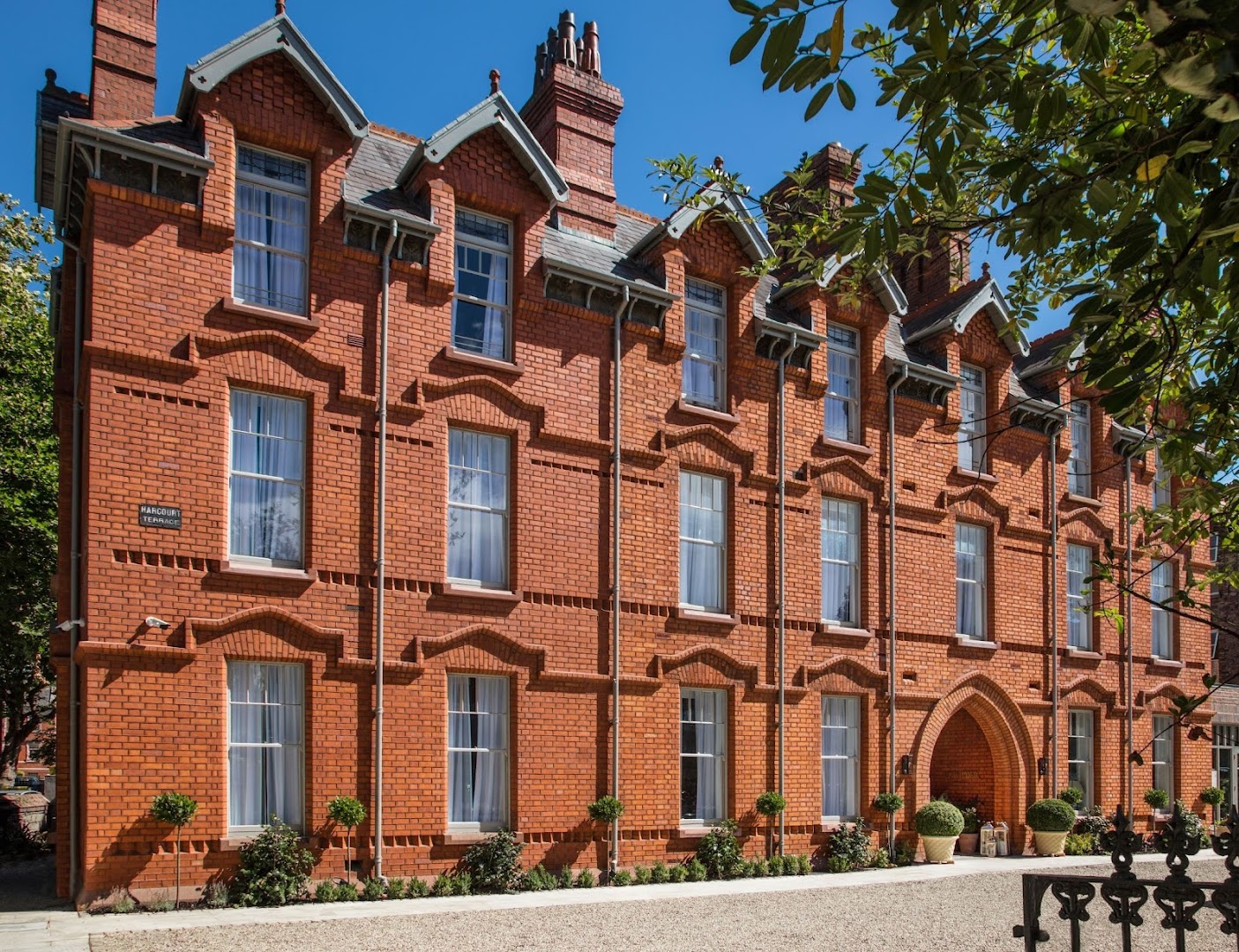
The Wilder Townhouse, DublinCouples€€

Victorian townhouse · Portobello

The Wilder Townhouse

A red-brick Victorian on Adelaide Road between St Stephen's Green and the Grand Canal, run as an adults-only townhouse with a candlelit gin and tea parlour. It is a ten-minute stroll to the Green yet sits on a quiet leafy street away from the crowds.

from ~145 EUR/night

Check prices
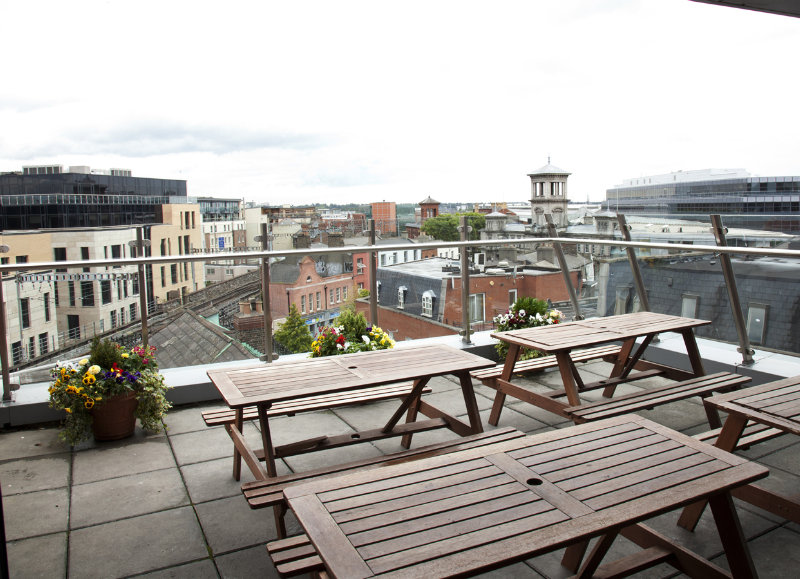
Jacobs Inn, DublinBudget

Modern hostel · Docklands and Silicon Docks

Jacobs Inn

A big, well-run design hostel beside Connolly Station and the Busaras coach station, with private rooms as well as dorms and a busy self-catering kitchen. The airport coaches stop right outside, which makes it the easiest cheap bed for a short break.

from ~35 EUR/night

Check prices

Real hotel photos · prices are indicative from-rates, not live quotes · booking links support the site at no extra cost

Hotel prices right now

Hotels in Dublin
Loading hotel map…
Map shows live hotel prices. Open the full hotel search. Booking through it supports the site at no extra cost.

A little history

Dublin began as a Viking trading and slaving port on the River Liffey around 841, and its name comes from the Irish Dubh Linn, the black pool where the longships moored. It became the centre of English rule in Ireland after the Norman arrival in 1170, and the wide streets and red-brick squares of the Georgian city were laid out in the 1700s, when Dublin was the second city of the British Empire. The 1916 Easter Rising began at the General Post Office on O'Connell Street and set off the fight that led to Irish independence in 1922. The city carries an outsized literary weight, home to four Nobel laureates and the setting for James Joyce's Ulysses, and it is now the young, tech-driven capital of a much richer Ireland.
Dublin is known for

  • Guinness Storehouse
  • Book of Kells
  • Georgian doors
  • Temple Bar pubs
  • Trinity College
  • Traditional music

How many days in Dublin?

Pick the itinerary that matches your trip. Each one is a full day-by-day plan, not a list of 30 things to squeeze in.

Where to stay in Dublin

Dublin has a walkable center, so the neighborhood you pick sets the tone of the whole trip.

Full comparison

Dublin, month by month

Colored months are the sweet spot. Struck-through months come with a warning. Each page covers weather, crowds, prices and what to pack.

Tight budget?

Dublin on a budget: same trip, around 70 EUR a day

Read the budget guide →

Pairs well with

Quick questions, straight answers

QHow many days do you need in Dublin?

2 days is the sweet spot for Dublin. The centre is small and walkable, so Trinity College and the Book of Kells, Dublin Castle, the two cathedrals, the free national museums and the Guinness Storehouse all fit without a rush, with real pub music each evening

QWhen is the best time to visit Dublin?

The best months are May, June, July, August, September. Think twice about November / December / January: Cold, wet and dark at around 10C with short days and the year's dampest stretch, so build the trip around museums, galleries and warm pubs. Crowds are low and prices are among the cheapest of the year until the Christmas markets and lights arrive late in the month.

QIs Dublin expensive?

Dublin sits above the European average. Plan roughly 70 EUR per day on a tight budget, 140 EUR for a comfortable mid-range trip, and 280 EUR and up if you want top hotels and restaurants.

QWhere should first-timers stay in Dublin?

Temple Bar is the safest first-visit base. The cobbled riverside quarter between the Liffey and Dame Street is Dublin's tourist and nightlife core, wall to wall with pubs, buskers and stag parties from midday onward. It is dead central, so every south-bank sight is minutes away, but it is also the loudest and priciest place to sleep, drink and eat in the city. Pick it for a short first trip if you want to fall out of the door into the action and do not mind the noise.

QIs Dublin easy to get around?

Yes. Dublin has a walkable center, so most of a short trip is done on foot. Dublin Airport has no rail or tram link, so the fastest way in is a coach. The Airlink 700, Aircoach and Dublin Express all run from the terminals to the city centre in about 30 to 45 minutes depending on traffic, for roughly 7 to 12 EUR one way, with departures every 10 to 20 minutes through the day. A taxi from the rank costs around 25 to 30 EUR and takes 20 to 30 minutes off-peak; there is no surcharge fixed fare, so the meter runs. Buy coach tickets from the driver or online, and check whether your hotel is nearer the O'Connell Street or the Grafton Street side stops.

QHow do I get from the airport to the center of Dublin?

Dublin Airport has no rail or tram link, so the fastest way in is a coach. The Airlink 700, Aircoach and Dublin Express all run from the terminals to the city centre in about 30 to 45 minutes depending on traffic, for roughly 7 to 12 EUR one way, with departures every 10 to 20 minutes through the day. A taxi from the rank costs around 25 to 30 EUR and takes 20 to 30 minutes off-peak; there is no surcharge fixed fare, so the meter runs. Buy coach tickets from the driver or online, and check whether your hotel is nearer the O'Connell Street or the Grafton Street side stops. It is the cheapest and usually the fastest option.

QWhat is Dublin known for?

Dublin is best known for Guinness Storehouse, Book of Kells, Georgian doors, Temple Bar pubs, Trinity College, Traditional music. Dublin began as a Viking trading and slaving port on the River Liffey around 841, and its name comes from the Irish Dubh Linn, the black pool where the longships moored.