PerfectCityBreak
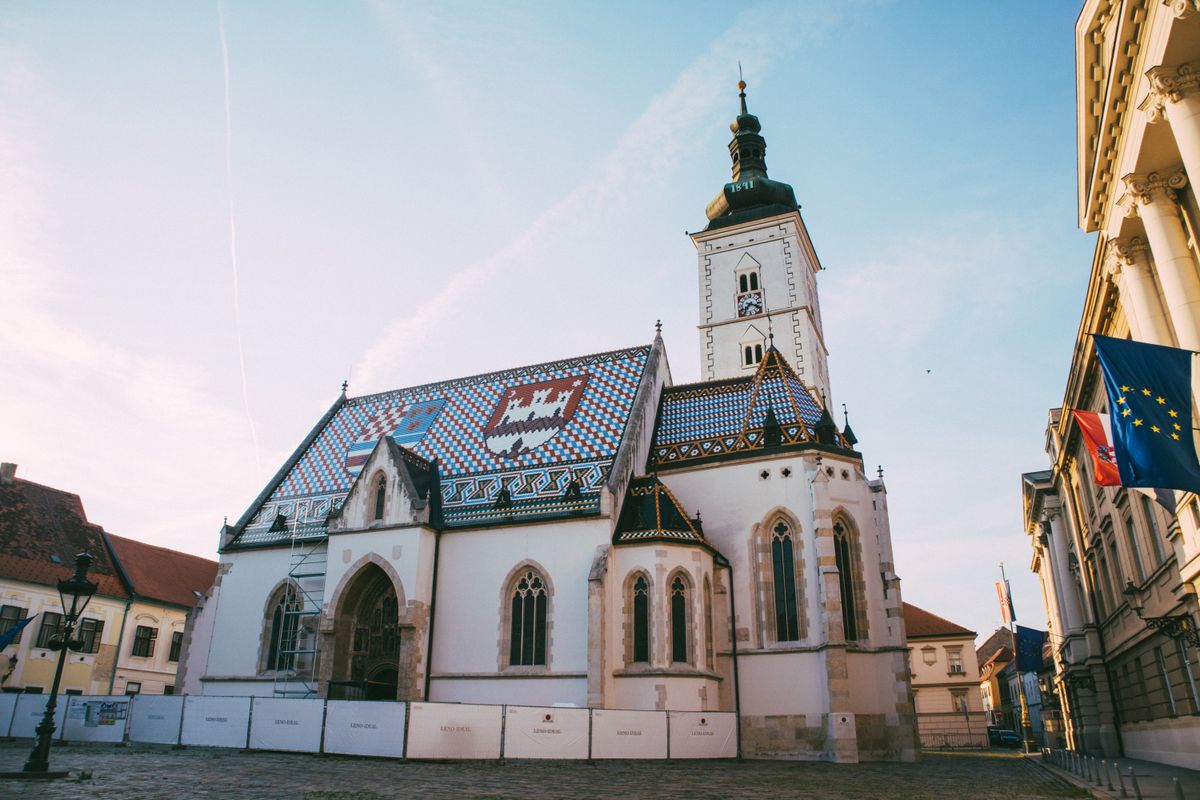
St Mark's Church in Zagreb's Upper Town, its tiled roof showing the coats of arms of Croatia and the city
Croatia2 days ideal

Zagreb

Croatia's inland capital: a hilltop old town, coffee as a ritual and the best Christmas market in Europe.

City break passZAG · CROATIA

Zagreb works best as a 2-day city break. Zagreb is the half of Croatia that most visitors skip, an Austro-Hungarian capital of parks, trams and long coffee sittings with no coastline in sight. The whole centre works on foot: a medieval Upper Town on the hill with St Mark's tiled roof and a cannon fired at noon, a nineteenth-century Lower Town laid out around a horseshoe of green squares, and the Dolac market selling produce under red parasols between the two. It is cheaper than Split or Dubrovnik, almost never crowded outside the Advent weeks, and the museums are small, strange and genuinely good. This guide splits two or three days so you cover both towns properly and still get a day out to Maksimir, Mirogoj or Sljeme.

Ideal stay

2 days

Best months

May · Jun · Sep

Mid budget

110 EUR/day

Airport

Franjo Tudjman airport sits about 17km southeast of the centre and there is no train or metro

Where we would sleep in Zagreb

Four picks that cover the realistic range, from splurge to budget. Prices are low-season starting points; check live rates for your dates.

See all Zagreb hotels
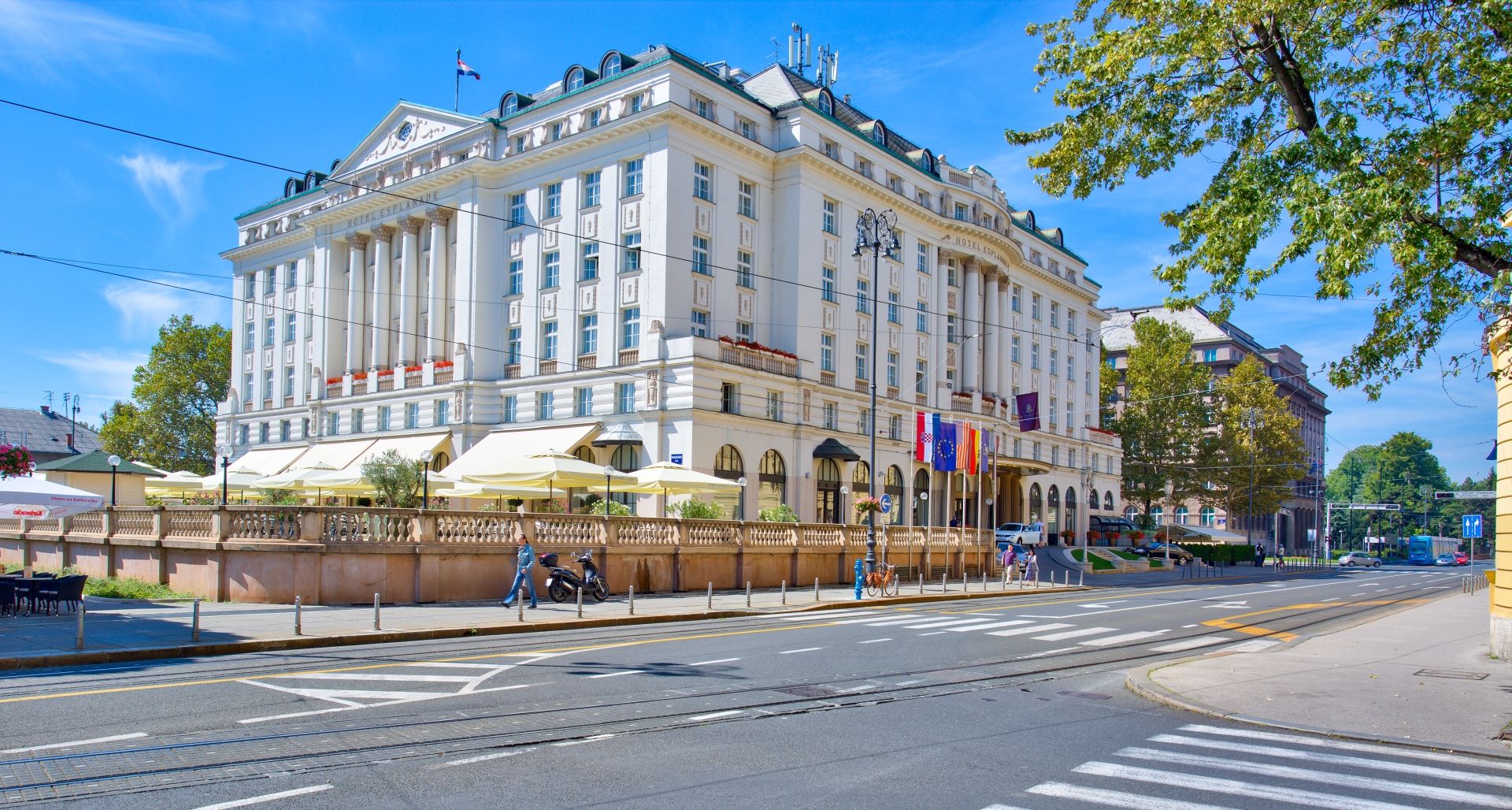
Esplanade Zagreb Hotel, ZagrebCouples€€€

Art deco grand hotel · Donji Grad (Lower Town)

Esplanade Zagreb Hotel

Opened in 1925 to put up Orient Express passengers breaking their journey between Paris and Istanbul, and still the address every Zagreb local names first. It sits directly across from the main train station, so the Lower Town museums and Ban Jelacic square are a flat ten-minute walk.

from ~190 EUR/night

Check prices
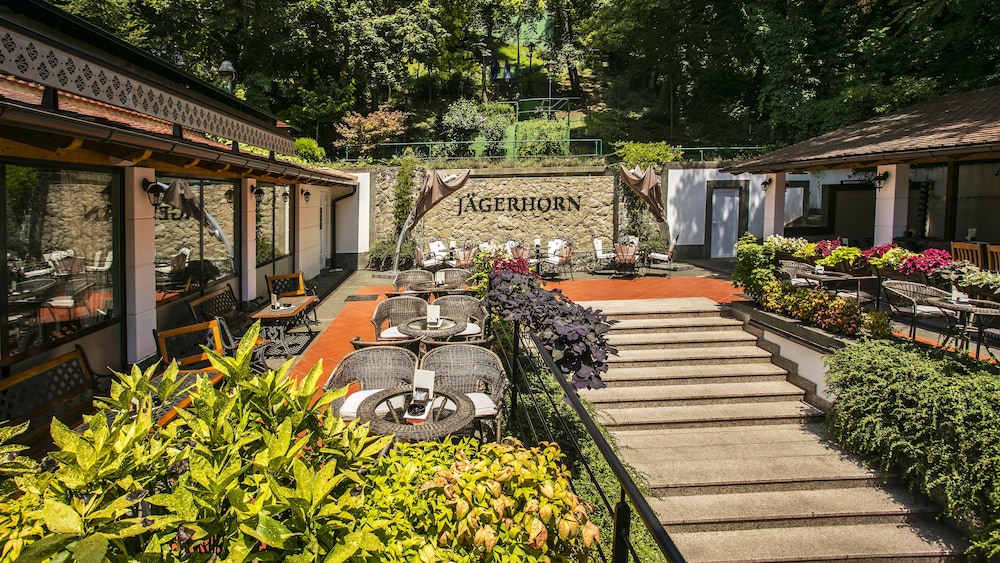
Hotel Jagerhorn, ZagrebFirst visit€€

Oldest hotel in town · Gornji Grad (Upper Town)

Hotel Jagerhorn

Zagreb's oldest hotel, trading since 1827, hidden up a passage off Ilica with a terrace backing straight onto the wooded Gradec slope. Rooms are small and plain, but you step out of the door onto the main street and are under the Upper Town in two minutes.

from ~120 EUR/night

Check prices
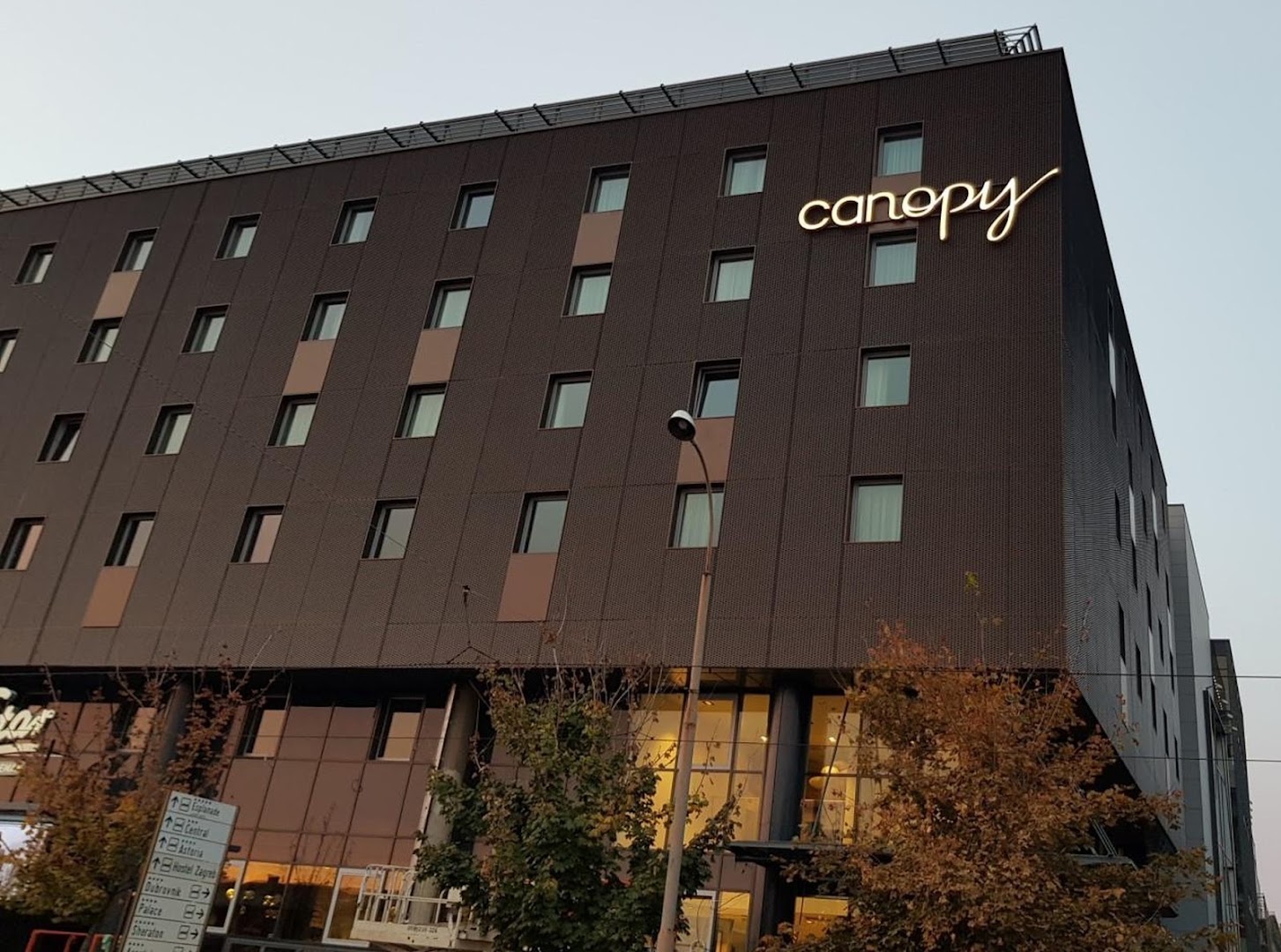
Canopy by Hilton Zagreb City Centre, ZagrebDesign lovers€€

Design hotel with a garden · Donji Grad (Lower Town)

Canopy by Hilton Zagreb City Centre

A bright contemporary hotel built around a planted interior courtyard on Branimirova, a few minutes east of the train station. The ground-floor bar and bakery pull in as many Zagreb residents as guests, which is a fair test of a city-centre hotel.

from ~140 EUR/night

Check prices
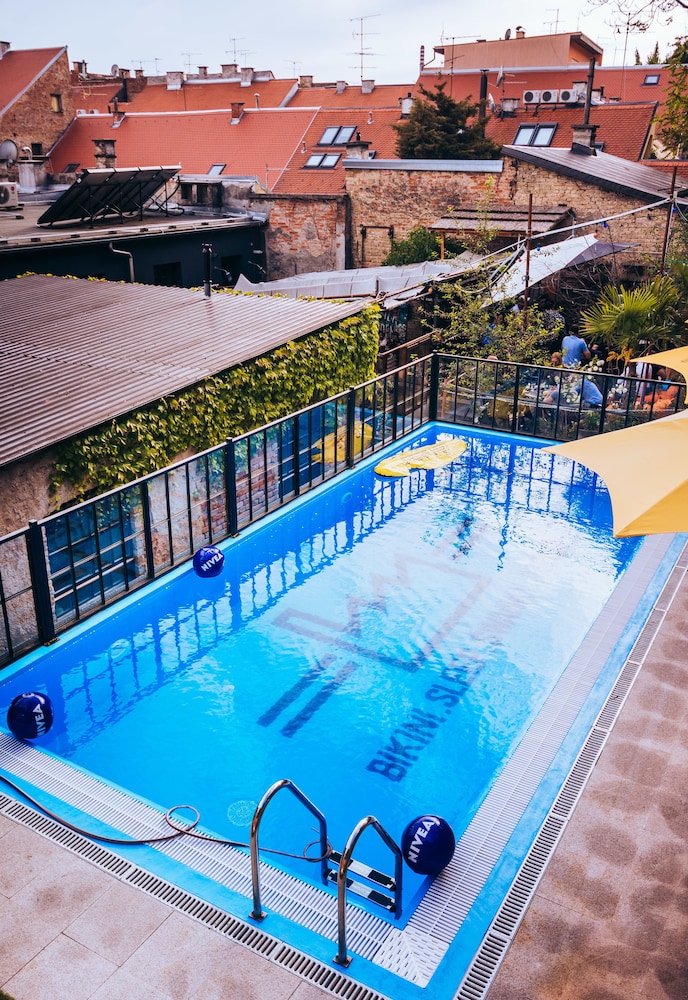
Swanky Mint Hostel, ZagrebBudget

Converted dye factory · Britanski Trg and Ilica

Swanky Mint Hostel

Set in a 19th-century textile dyeing and mint factory on Ilica, with the old machinery left in place around a courtyard bar and a small plunge pool. Dorms and private rooms sit above one of the livelier hostel bars in the city, so ask for a courtyard-facing room if you want quiet.

from ~35 EUR/night

Check prices

Real hotel photos · prices are indicative from-rates, not live quotes · booking links support the site at no extra cost

Hotel prices right now

Hotels in Zagreb
Loading hotel map…
Map shows live hotel prices. Open the full hotel search. Booking through it supports the site at no extra cost.

A little history

Zagreb began as two rival hilltop settlements, the bishop's town of Kaptol and the free royal town of Gradec, separated by a stream that the locals nicknamed the Bloody Bridge after the fights that crossed it. The two were only merged into a single city in 1850, which is why the compact Upper Town still reads as two distinct quarters today. An earthquake in 1880 wrecked much of the centre and triggered the great rebuilding that produced the Lower Town's museums, parks and Austro-Hungarian facades, laid out in the U-shaped chain of squares known as Lenuci's Green Horseshoe. Capital of independent Croatia since 1991, the city was shaken again in March 2020 by a 5.5-magnitude quake that toppled one of the cathedral's spires, and restoration scaffolding has been part of the skyline ever since.
Zagreb is known for

  • St Mark's tiled roof
  • Museum of Broken Relationships
  • Dolac market
  • Advent Christmas market
  • Blue trams
  • Gric cannon at noon

How many days in Zagreb?

Pick the itinerary that matches your trip. Each one is a full day-by-day plan, not a list of 30 things to squeeze in.

Where to stay in Zagreb

Zagreb has a walkable center, so the neighborhood you pick sets the tone of the whole trip.

Full comparison

Zagreb, month by month

Colored months are the sweet spot. Struck-through months come with a warning. Each page covers weather, crowds, prices and what to pack.

Tight budget?

Zagreb on a budget: same trip, around 55 EUR a day

Read the budget guide →

Pairs well with

Quick questions, straight answers

QHow many days do you need in Zagreb?

2 days is the sweet spot for Zagreb. Day one covers the Upper Town, from Dolac market at breakfast to St Mark's tiled roof, the noon cannon at the Lotrscak Tower and the Museum of Broken Relationships, ending on the Tkalciceva terraces

QWhen is the best time to visit Zagreb?

The best months are May, June, September, October, December. Think twice about January / August: Deep continental winter with highs near 4C, frequent grey fog in the Sava basin and the year's cheapest rooms once the Advent lights come down on 7 January. The Snow Queen Trophy World Cup slalom races run on Sljeme above the city in early January, and the mountain holds snow while the centre often just sits damp and cold, so pack proper boots and treat the Upper Town lanes as icy.

QIs Zagreb expensive?

Zagreb sits around the European average. Plan roughly 55 EUR per day on a tight budget, 110 EUR for a comfortable mid-range trip, and 220 EUR and up if you want top hotels and restaurants.

QWhere should first-timers stay in Zagreb?

Gornji Grad (Upper Town) is the safest first-visit base. The Upper Town is the medieval half of Zagreb, a small grid of gaslit lanes on the hill holding St Mark's tiled roof, the parliament, the Lotrscak Tower and half the city's museums. It empties in the evening once the day visitors ride the funicular back down, leaving cobbles, lamplighters and views over the Lower Town rooftops. Base here on a first visit or a romantic trip, when waking up above the city matters more than being near the tram lines.

QIs Zagreb easy to get around?

Yes. Zagreb has a walkable center, so most of a short trip is done on foot. Franjo Tudjman airport sits about 17km southeast of the centre and there is no train or metro, so it is bus or taxi. The Croatia Airlines shuttle is the standard route: it leaves from outside arrivals and reaches the main bus terminal (Autobusni kolodvor) on Drziceva in about 30 minutes for roughly 8 EUR one way, with around 12 to 15 EUR for a return, and from that terminal tram 6 takes you to Ban Jelacic square in another 10 minutes. Cheaper is the ZET city bus 290, which runs from the airport to Kvaternikov trg east of the centre in about 30 to 40 minutes for roughly 1 to 2 EUR bought from the driver, but it goes roughly every half hour and thins out in the evening. A taxi or Uber into the centre runs about 20 to 30 EUR and takes 25 minutes off-peak.

QHow do I get from the airport to the center of Zagreb?

Franjo Tudjman airport sits about 17km southeast of the centre and there is no train or metro, so it is bus or taxi. The Croatia Airlines shuttle is the standard route: it leaves from outside arrivals and reaches the main bus terminal (Autobusni kolodvor) on Drziceva in about 30 minutes for roughly 8 EUR one way, with around 12 to 15 EUR for a return, and from that terminal tram 6 takes you to Ban Jelacic square in another 10 minutes. Cheaper is the ZET city bus 290, which runs from the airport to Kvaternikov trg east of the centre in about 30 to 40 minutes for roughly 1 to 2 EUR bought from the driver, but it goes roughly every half hour and thins out in the evening. A taxi or Uber into the centre runs about 20 to 30 EUR and takes 25 minutes off-peak. It is the cheapest and usually the fastest option.

QWhat is Zagreb known for?

Zagreb is best known for St Mark's tiled roof, Museum of Broken Relationships, Dolac market, Advent Christmas market, Blue trams, Gric cannon at noon. Zagreb began as two rival hilltop settlements, the bishop's town of Kaptol and the free royal town of Gradec, separated by a stream that the locals nicknamed the Bloody Bridge after the fights that crossed it.