PerfectCityBreak
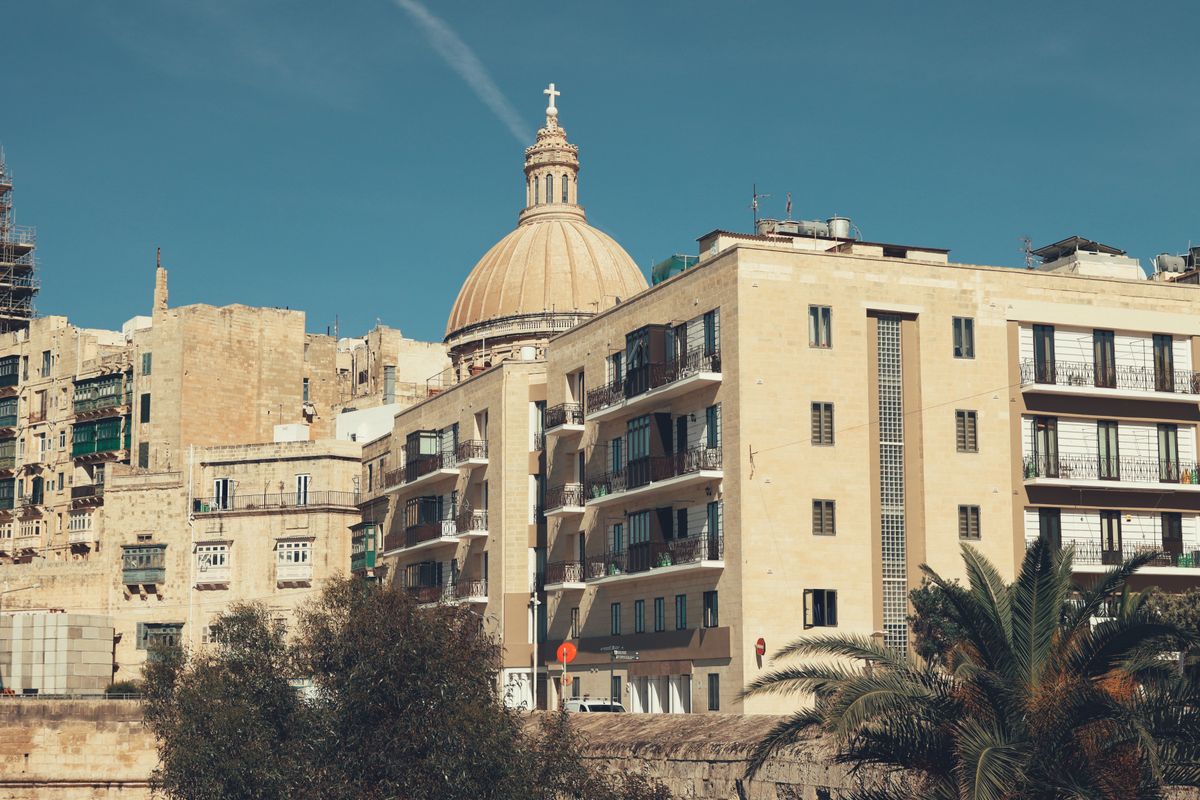
The honey-coloured dome of the Carmelite basilica rising over Valletta's limestone townhouses
Malta3 days ideal

Valletta

A tiny fortified honey-stone capital of the Knights of St John, Baroque churches and Grand Harbour views.

City break passMLA · MALTA

Valletta works best as a 3-day city break. Valletta is the tiny fortified peninsula capital the Knights of St John built after their victory in the 1565 Great Siege, one of the most concentrated historic cities in Europe and UNESCO-listed in full. Its honey-limestone streets run in a tight grid to the sea, past the Baroque St John's Co-Cathedral and its Caravaggio, and out to the vast Grand Harbour, with the older Three Cities facing you across the water and the classic view from the Upper Barrakka Gardens. Beyond the walls the island packs in easy day trips: Mdina the silent city, the underground Hypogeum and the megalithic temples that predate the pyramids. English is widely spoken and Malta drives on the left, both legacies of British rule that make it an unusually easy short break. This guide splits two or three days so you get Valletta itself, the Grand Harbour and the Three Cities, Mdina and Rabat, and the Sliema seafront without wasting time.

Ideal stay

3 days

Best months

May · Jun · Sep

Mid budget

105 EUR/day

Airport

Malta International Airport at Luqa sits about 8km south of Valletta

Where we would sleep in Valletta

Four picks that cover the realistic range, from splurge to budget. Prices are low-season starting points; check live rates for your dates.

See all Valletta hotels
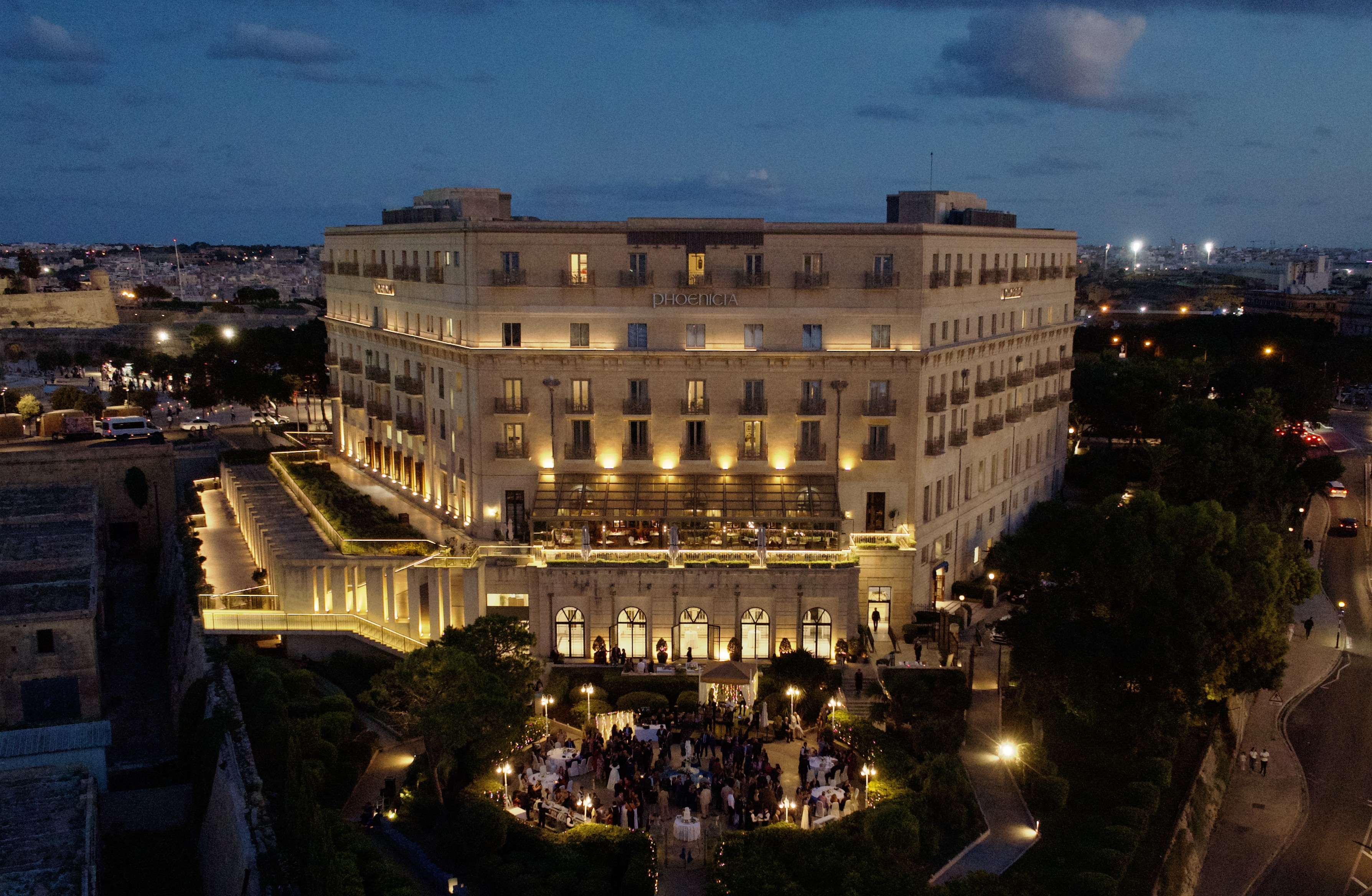
The Phoenicia Malta, VallettaSpecial occasions€€€

1930s grand hotel · Valletta

The Phoenicia Malta

The landmark 1930s grand hotel just outside the City Gate, with formal gardens dropping down the bastions to Marsamxett Harbour and a pool at the bottom. It is the classic Valletta address, walkable to every sight yet set apart from the crowds.

from ~230 EUR/night

Check prices
The Saint John, VallettaCouples€€

Valletta design boutique · Valletta

The Saint John

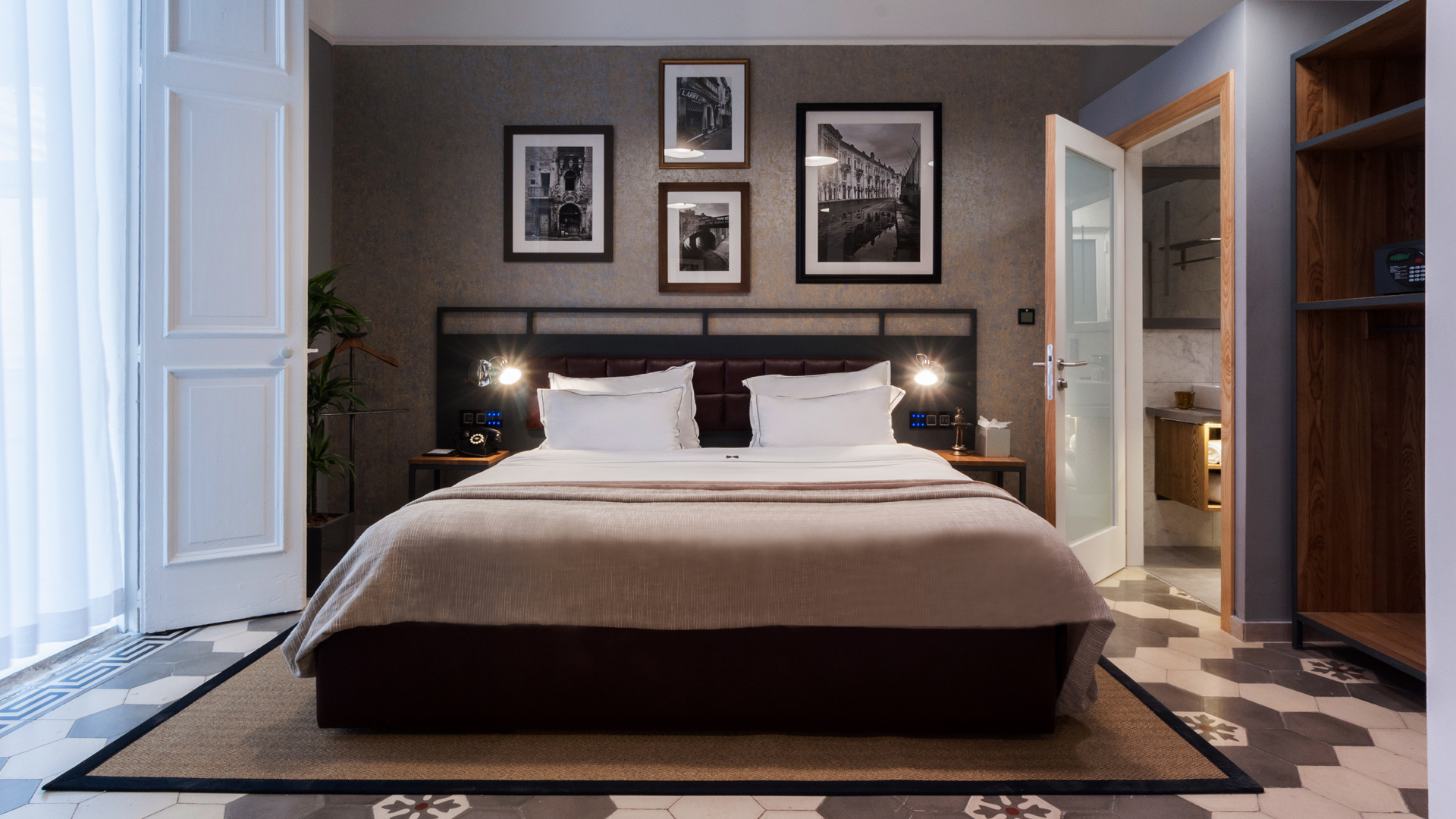
A small design hotel in a restored townhouse on a quiet Valletta street, steps from St John's Co-Cathedral. Its rooftop terrace looks out over the domes and honey-stone rooftops, best at sunset with a drink.

from ~150 EUR/night

Check prices
The Victoria Hotel, VallettaFirst visit€€

Classic Sliema hotel · Sliema

The Victoria Hotel

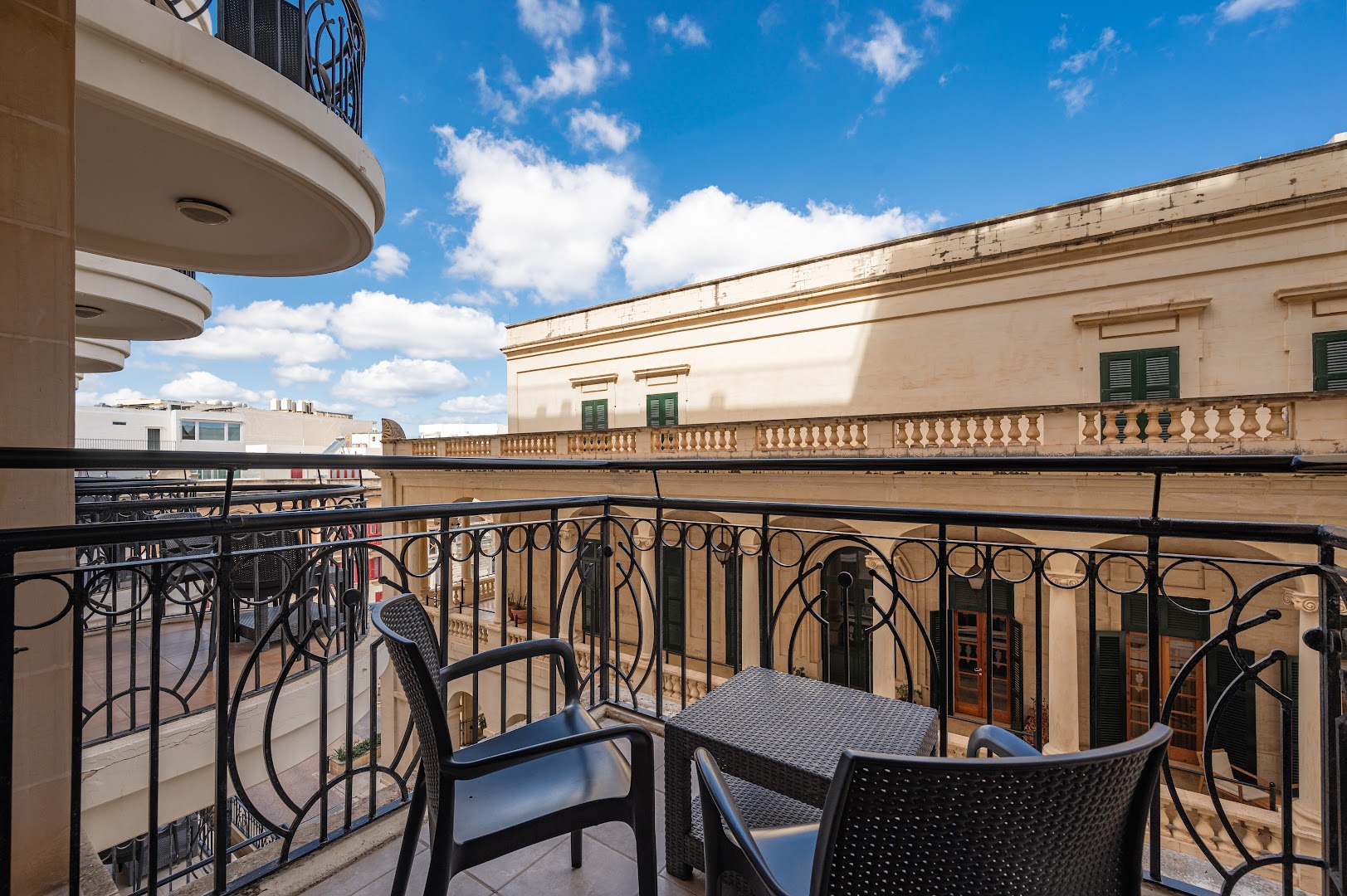
A comfortable traditional hotel in central Sliema, a short walk from the seafront and the five-minute ferry over to Valletta. It is good value for the location, with a rooftop pool for the hot afternoons.

from ~110 EUR/night

Check prices
Two Pillows Boutique Hostel, VallettaBudget

Sliema boutique hostel · Sliema

Two Pillows Boutique Hostel

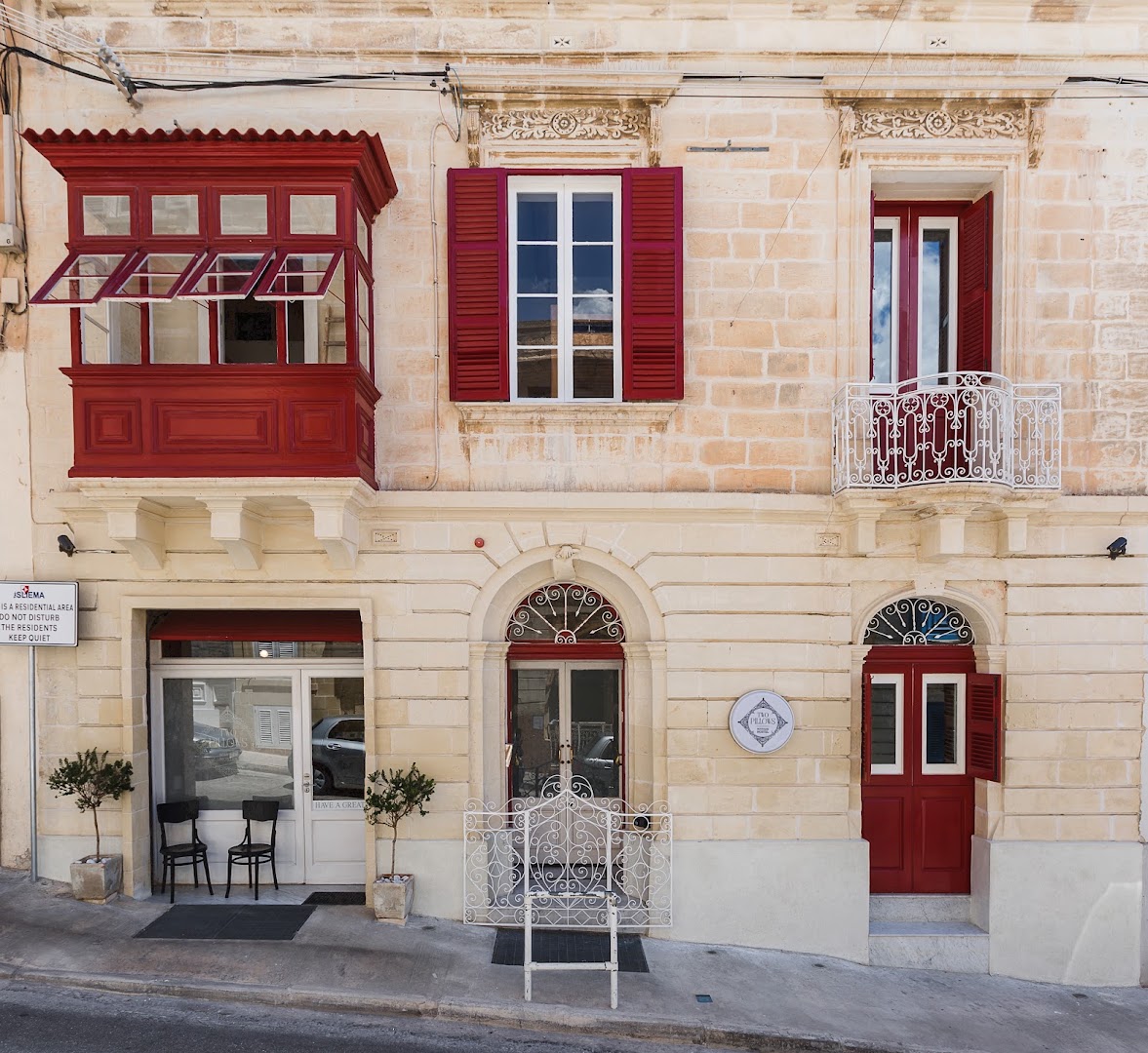
A friendly boutique hostel in Sliema with both dorms and private rooms, near the seafront and the Valletta ferry. It is a sociable, cheap base for exploring the whole island by bus and boat.

from ~28 EUR/night

Check prices

Real hotel photos · prices are indicative from-rates, not live quotes · booking links support the site at no extra cost

Hotel prices right now

Hotels in Valletta
Loading hotel map…
Map shows live hotel prices. Open the full hotel search. Booking through it supports the site at no extra cost.

A little history

Valletta was founded in 1566 by Grand Master Jean de Valette and the Knights of St John, the year after their outnumbered forces repelled the Ottoman fleet in the Great Siege of 1565. The engineer Francesco Laparelli laid it out as a planned Renaissance fortress city on a regular grid across the whole peninsula, filled with the Knights' national auberges and the great church of St John's. Napoleon seized the island in 1798 on his way to Egypt, but British rule followed from 1800 and lasted until independence in 1964. Heavily bombed in the Second World War, Malta was awarded the George Cross for its endurance in 1942, and Valletta has been a UNESCO World Heritage Site since 1980 and a European Capital of Culture in 2018.
Valletta is known for

  • St John's Co-Cathedral
  • Grand Harbour
  • Knights of St John
  • Honey limestone
  • Pastizzi
  • Mdina day trips

How many days in Valletta?

Pick the itinerary that matches your trip. Each one is a full day-by-day plan, not a list of 30 things to squeeze in.

Where to stay in Valletta

Valletta has a walkable center, so the neighborhood you pick sets the tone of the whole trip.

Full comparison

Valletta, month by month

Colored months are the sweet spot. Struck-through months come with a warning. Each page covers weather, crowds, prices and what to pack.

Tight budget?

Valletta on a budget: same trip, around 55 EUR a day

Read the budget guide →

Pairs well with

Quick questions, straight answers

QHow many days do you need in Valletta?

3 days is the sweet spot for Valletta. The first two days stay relaxed: Valletta itself, with St John's Co-Cathedral, the Grandmaster's Palace, the Upper Barrakka view and Fort St Elmo, then the Grand Harbour, the Three Cities by dghajsa and the Sliema seafront

QWhen is the best time to visit Valletta?

The best months are May, June, September. Think twice about July / August: Hot, dry and busy at around 31C, the start of the packed, priciest high season, with the beaches full and festas and open-air concerts most weekends. Plan sightseeing for early morning or the evening, keep the harshest midday hours for the sea or the shade.

QIs Valletta expensive?

Valletta sits around the European average. Plan roughly 55 EUR per day on a tight budget, 105 EUR for a comfortable mid-range trip, and 200 EUR and up if you want top hotels and restaurants.

QWhere should first-timers stay in Valletta?

Valletta is the safest first-visit base. The UNESCO capital itself is a honey-stone grid of Baroque churches, palazzo hotels and stepped side streets running down to the harbour, with St John's Co-Cathedral and the shops of Republic Street at its heart. It empties out and turns calm and atmospheric in the evening once the day-trippers and the cruise crowds leave. Base here for the sights on your doorstep and a quiet, characterful night, so long as you can manage the hills.

QIs Valletta easy to get around?

Yes. Valletta has a walkable center, so most of a short trip is done on foot. Malta International Airport at Luqa sits about 8km south of Valletta, and getting in is straightforward. The X4 express bus runs from outside arrivals to the Valletta bus terminus by the City Gate in about 30 to 35 minutes for around 2 to 3 EUR, and it is cheaper still if you buy a Tallinja card from the machine before you board. A white airport taxi or an eCabs or Bolt runs a fixed 15 to 20 EUR to Valletta or Sliema, booked at the taxi desk or on the app. Malta drives on the left and English is an official language, so the signs, the drivers and the ticket machines are all easy to deal with.

QHow do I get from the airport to the center of Valletta?

Malta International Airport at Luqa sits about 8km south of Valletta, and getting in is straightforward. The X4 express bus runs from outside arrivals to the Valletta bus terminus by the City Gate in about 30 to 35 minutes for around 2 to 3 EUR, and it is cheaper still if you buy a Tallinja card from the machine before you board. A white airport taxi or an eCabs or Bolt runs a fixed 15 to 20 EUR to Valletta or Sliema, booked at the taxi desk or on the app. Malta drives on the left and English is an official language, so the signs, the drivers and the ticket machines are all easy to deal with. It is the cheapest and usually the fastest option.

QWhat is Valletta known for?

Valletta is best known for St John's Co-Cathedral, Grand Harbour, Knights of St John, Honey limestone, Pastizzi, Mdina day trips. Valletta was founded in 1566 by Grand Master Jean de Valette and the Knights of St John, the year after their outnumbered forces repelled the Ottoman fleet in the Great Siege of 1565.