QHow many days do you need in Riga?
2 days is the sweet spot for Riga. Base yourself in the old town so you are among the spires first thing and can walk home across floodlit squares at night, avoiding the weekend stag-group streets after dark
QWhen is the best time to visit Riga?
The best months are May, June, July, August, September. Think twice about January / February: Deep winter with highs around minus 3C, frequent snow and only about seven hours of daylight, so plan indoor stops between short outdoor bursts. Room rates sit at their lowest and the old town looks its best under snow, but pack proper boots and a warm coat as pavements ice over.
QIs Riga expensive?
Riga sits around the European average. Plan roughly 50 EUR per day on a tight budget, 100 EUR for a comfortable mid-range trip, and 200 EUR and up if you want top hotels and restaurants.
QWhere should first-timers stay in Riga?
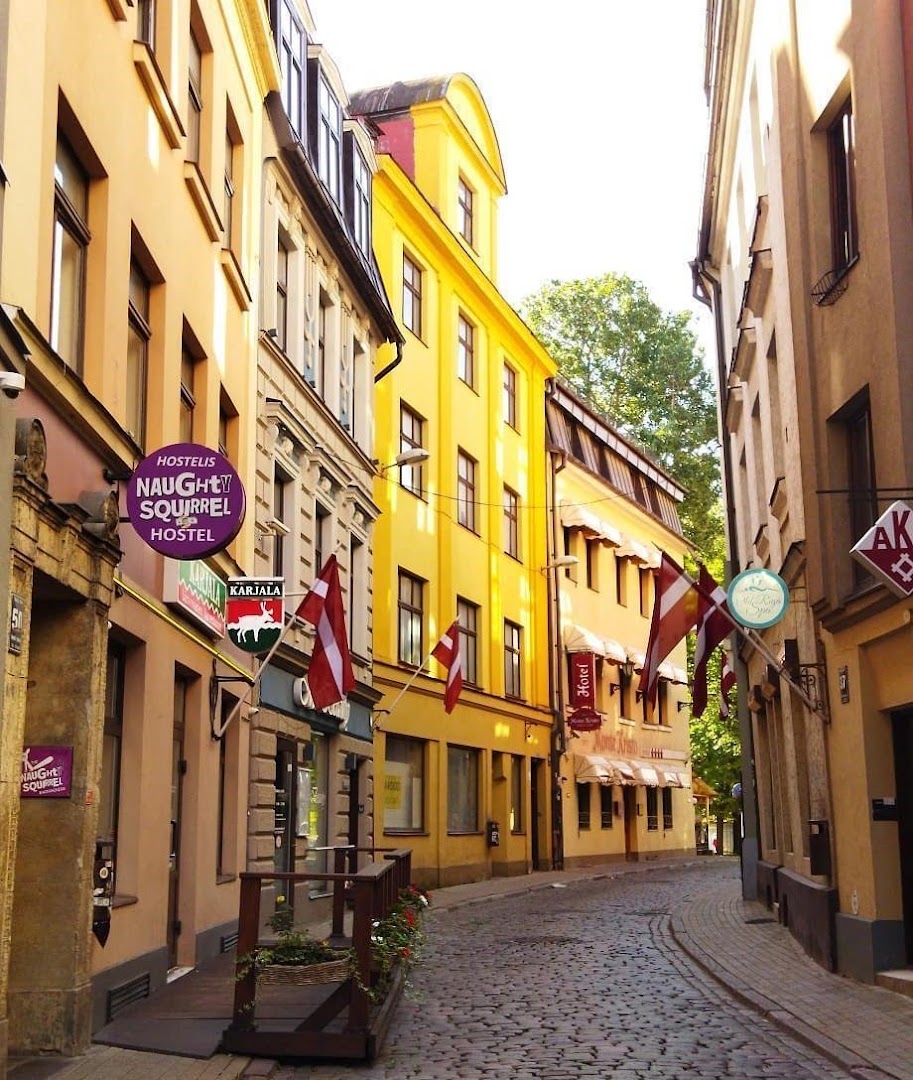
Old Town (Vecriga) is the safest first-visit base. The medieval walled core of cobbled lanes gathers Town Hall Square, the rebuilt House of the Blackheads, the Dome cathedral and St Peter's tower into a few hundred metres, so a first-time base here puts every headline sight at your door. It is atmospheric and beautiful, floodlit and quiet by day, but stag groups and loud bars take over some streets at the weekend and the cobbles are hard on wheeled cases. Pick it for the medieval nights and the shortest walk to everything.
QIs Riga easy to get around?
Yes. Riga has a walkable center, so most of a short trip is done on foot. Riga Airport sits about 10km southwest of the centre, so transfers are short and cheap. The number 22 city bus runs from a stop outside the terminal to the old town and the centre in roughly 25 to 30 minutes for a couple of euros; buy the ticket from the driver or a Narvesen kiosk, which is a touch cheaper. A Bolt or taxi covers the same run in around 15 minutes for roughly 10 to 15 EUR, which is worth it with luggage or after a late arrival.
QHow do I get from the airport to the center of Riga?
Riga Airport sits about 10km southwest of the centre, so transfers are short and cheap. The number 22 city bus runs from a stop outside the terminal to the old town and the centre in roughly 25 to 30 minutes for a couple of euros; buy the ticket from the driver or a Narvesen kiosk, which is a touch cheaper. A Bolt or taxi covers the same run in around 15 minutes for roughly 10 to 15 EUR, which is worth it with luggage or after a late arrival. It is the cheapest and usually the fastest option.
QWhat is Riga known for?
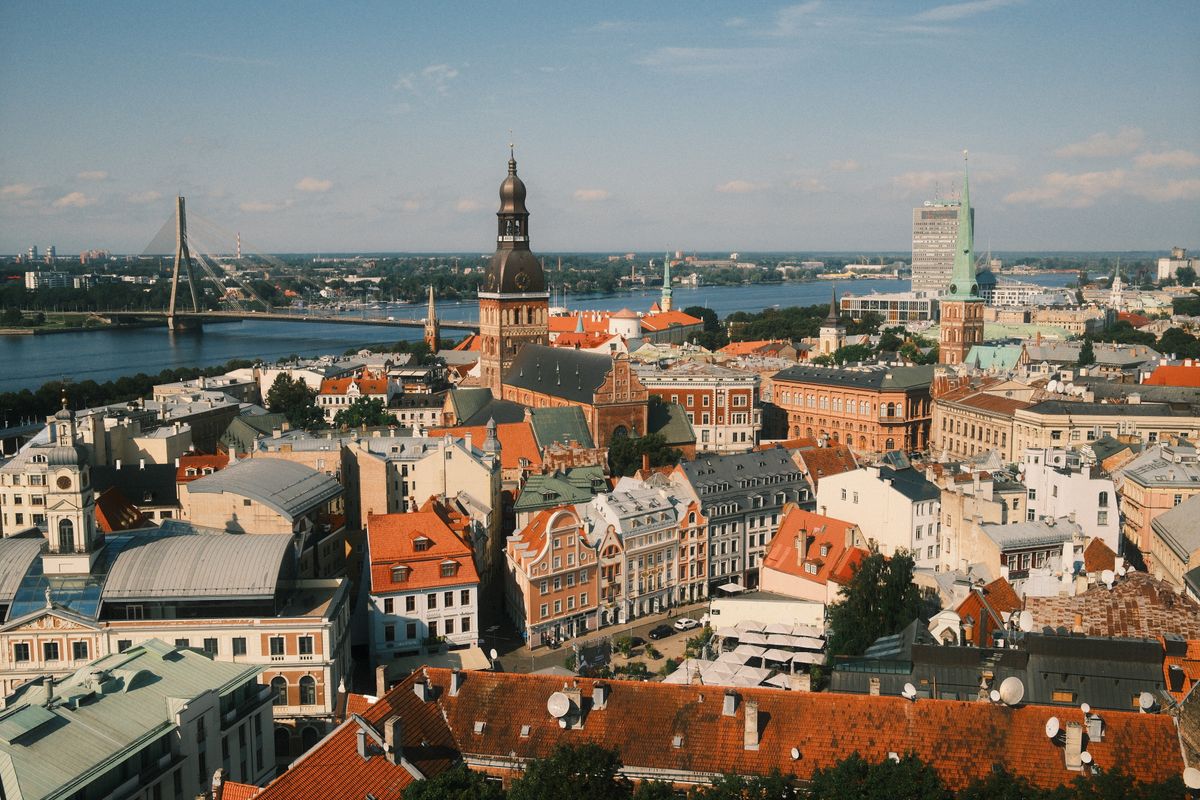
Riga is best known for Old Town spires, Art Nouveau facades, The Central Market, House of the Blackheads, Baltic amber, The Song Festival. Riga was founded in 1201 by the German bishop Albert as a base to convert the Baltic by the sword, and it grew into the biggest and richest city on the eastern Baltic under the Hanseatic League, run for centuries by German-speaking merchants and the Livonian knights.
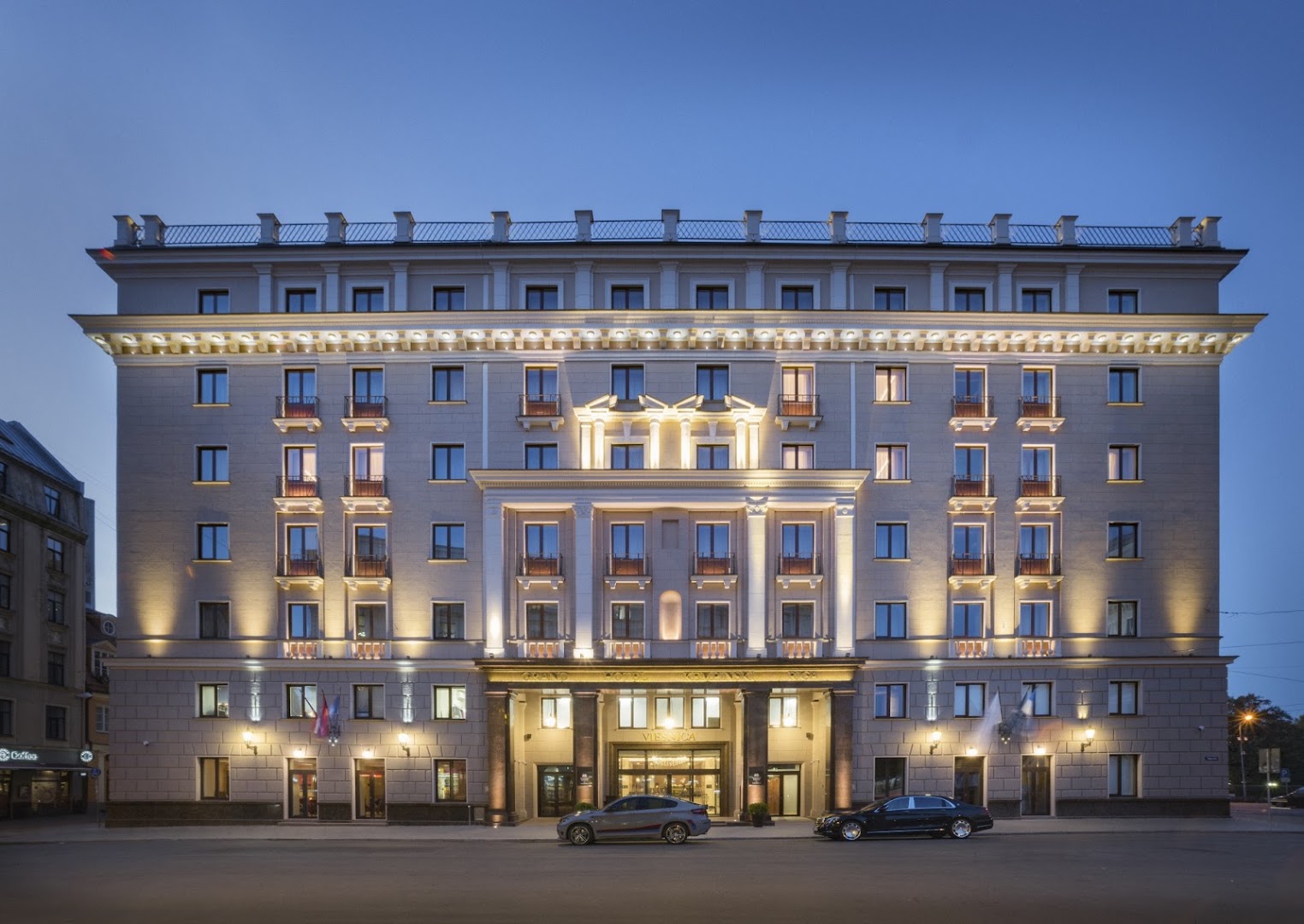 Special occasions€€€