QHow many days do you need in Vilnius?
2 days is the sweet spot for Vilnius. Almost everything is free to enter, so you spend on almost nothing but a couple of tower climbs and lunch, which makes this one of the cheapest capital breaks in Europe
QWhen is the best time to visit Vilnius?
The best months are May, June, July, August, September. Think twice about January / February: Deep winter with highs around minus 3C, frequent snow and short daylight, so plan indoor stops between short outdoor bursts. Room rates sit at their lowest and the baroque old town looks its best under snow, but pack proper boots and a warm coat as the cobbles ice over.
QIs Vilnius expensive?
Vilnius sits around the European average. Plan roughly 50 EUR per day on a tight budget, 100 EUR for a comfortable mid-range trip, and 200 EUR and up if you want top hotels and restaurants.
QWhere should first-timers stay in Vilnius?
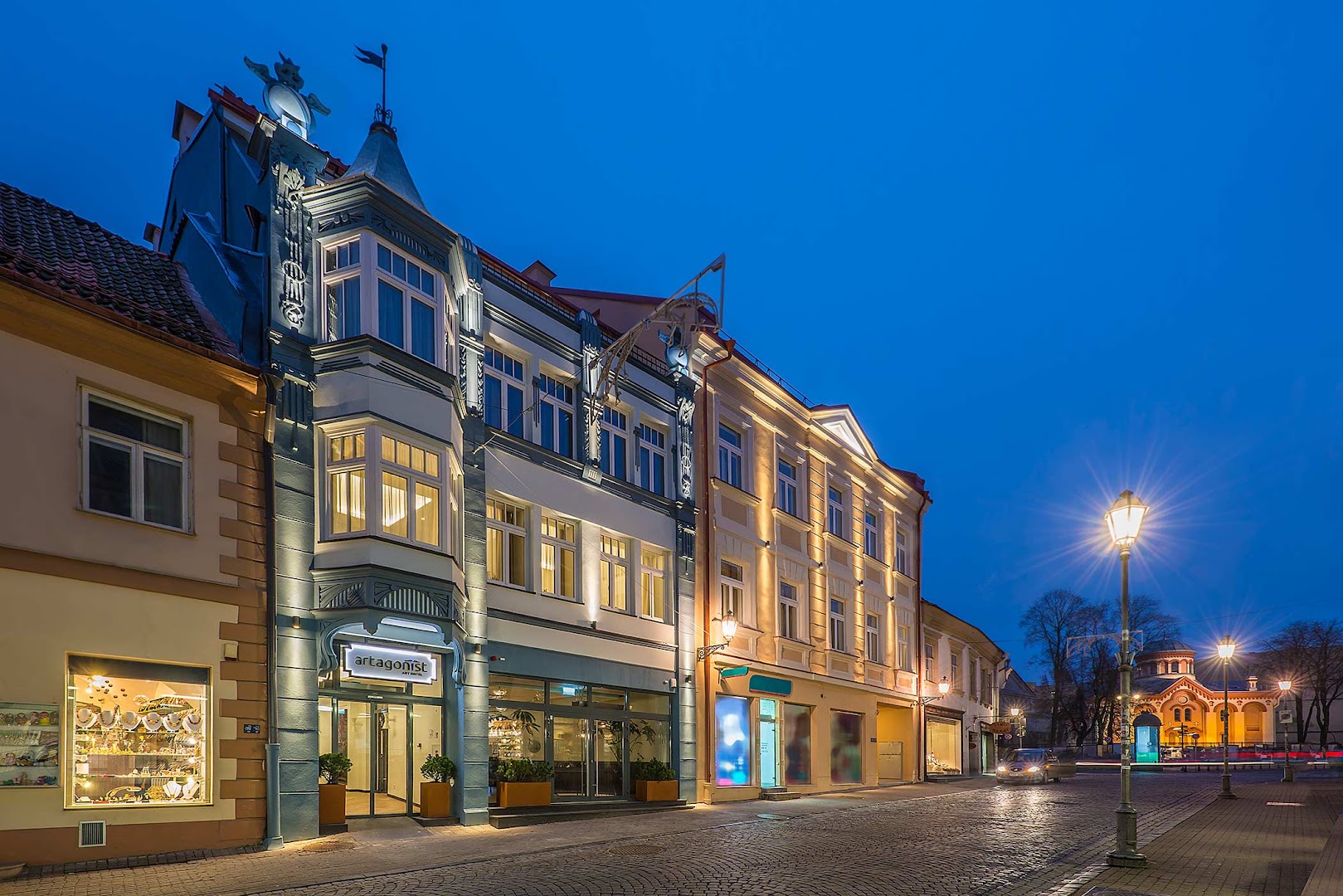
Old Town (Senamiestis) is the safest first-visit base. The largest baroque old town in Europe folds church after church, cobbled lane and hidden courtyard into a UNESCO core you can cross on foot in twenty minutes. It is atmospheric and central, with the Cathedral, the university and the Gates of Dawn all within reach, though it can turn quiet and dark after dinner once the day visitors thin out. Pick it for a first visit when you want every headline sight at your door.
QIs Vilnius easy to get around?
Yes. Vilnius has a walkable center, so most of a short trip is done on foot. Vilnius Airport sits only about 6km south of the centre, so transfers are quick and cheap. A train runs from the terminal to the central station in about 7 minutes for around 1 EUR, which is the fastest and cheapest option if the timing suits you. City buses 3G and 88 also reach the centre for a couple of euros, and a Bolt or taxi covers the same run in roughly 15 minutes for around 7 to 10 EUR, which is worth it with luggage or after a late arrival.
QHow do I get from the airport to the center of Vilnius?
Vilnius Airport sits only about 6km south of the centre, so transfers are quick and cheap. A train runs from the terminal to the central station in about 7 minutes for around 1 EUR, which is the fastest and cheapest option if the timing suits you. City buses 3G and 88 also reach the centre for a couple of euros, and a Bolt or taxi covers the same run in roughly 15 minutes for around 7 to 10 EUR, which is worth it with luggage or after a late arrival. It is the cheapest and usually the fastest option.
QWhat is Vilnius known for?
Vilnius is best known for Baroque old town, The Uzupis republic, Gediminas Tower, The Gates of Dawn, Cepelinai, Trakai Castle. Vilnius was, by legend, founded when Grand Duke Gediminas dreamed of an iron wolf howling on the hill and built his castle there in the 1320s, and it grew into the capital of the Grand Duchy of Lithuania, once the largest state in Europe, reaching from the Baltic almost to the Black Sea.

 Special occasions€€€