PerfectCityBreak
Day-by-day planPoland

Gdansk in 3 days

3-day itineraryGDN · POLAND

Three days is the comfortable amount for Gdansk: the same walkable Main Town and the same two big museums as the two-day trip, spread out more slowly, plus a full third day for the coast. A relaxed first two days take the Royal Way and the Long Market, St Mary's, Mariacka and the crane, then the European Solidarity Centre and the Museum of the Second World War, with a boat to Westerplatte if the season is running. The third day heads up the Tricity by train: Sopot for the long wooden pier and the beach, or leafy Oliwa for the huge Baroque organ and a short recital, rounded off with a cruise on the Motlawa back in the city. Base yourself in the Main Town or on Granary Island for all three nights, as the SKM train links everything up the coast in minutes. One thing to plan around: in the last three weeks of July into early August the huge St Dominic's Fair (Jarmark sw. Dominika) fills the Old Town with amber, crafts and crowds, which is either the whole point of your visit or a good reason to come in May, June or September instead.

Duration

3 days

Base

Main Town (Glowne Miasto)

Mid budget

255 EUR

Best months

May · Jun · Sep

Sleep well for these 3 days

Picks sorted with our recommended base, Main Town (Glowne Miasto), first. Book early: the good-value rooms go weeks ahead.

See all Gdansk hotels
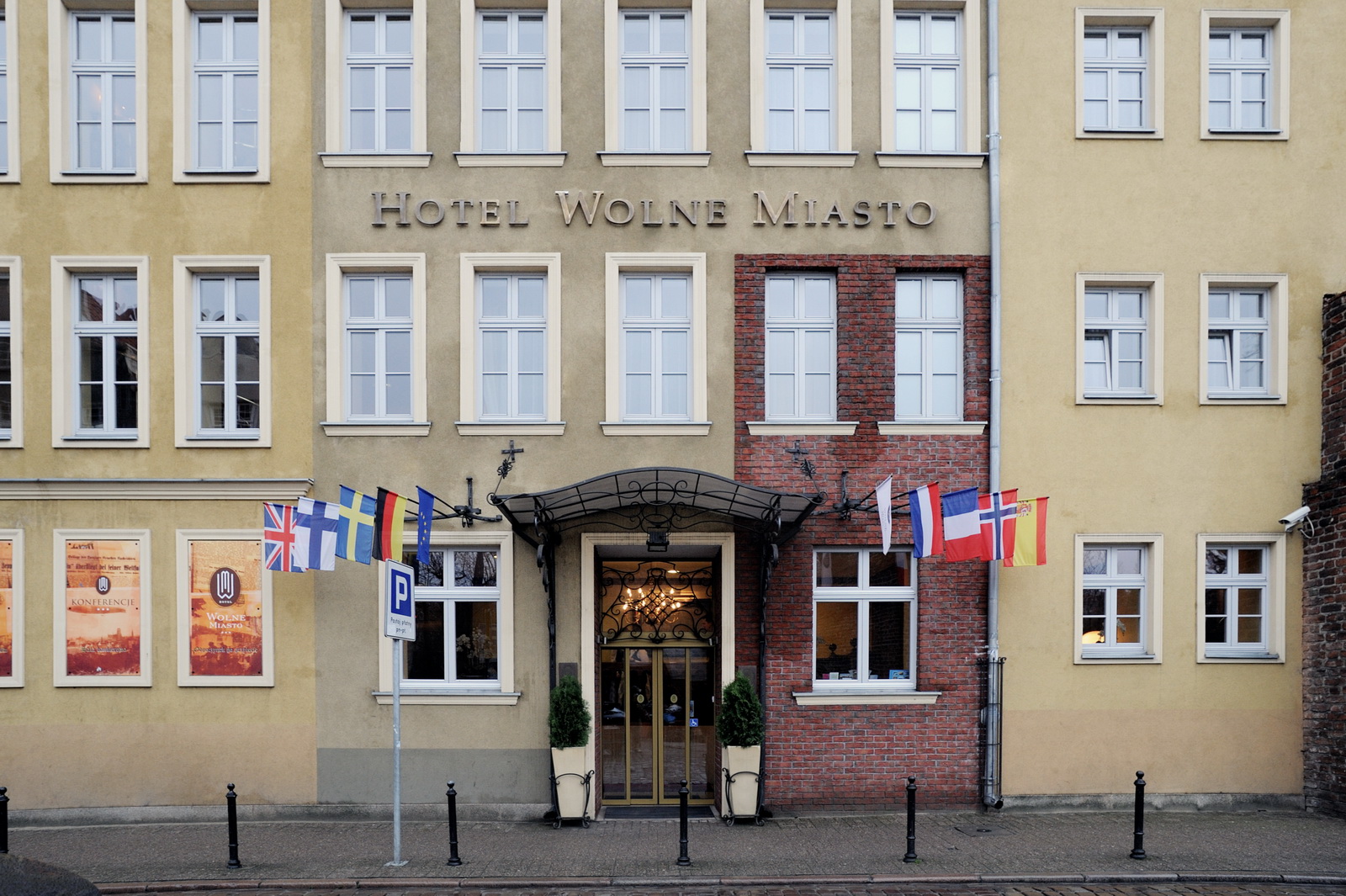
Hotel Wolne Miasto, GdanskFirst visit€€

Main Town heritage hotel · Main Town (Glowne Miasto)

Hotel Wolne Miasto

A characterful hotel styled to evoke the old Free City of Danzig, right in the Main Town. It is steps from the Long Market and the covered market hall, so everything is on foot.

from ~90 EUR/night

Check prices
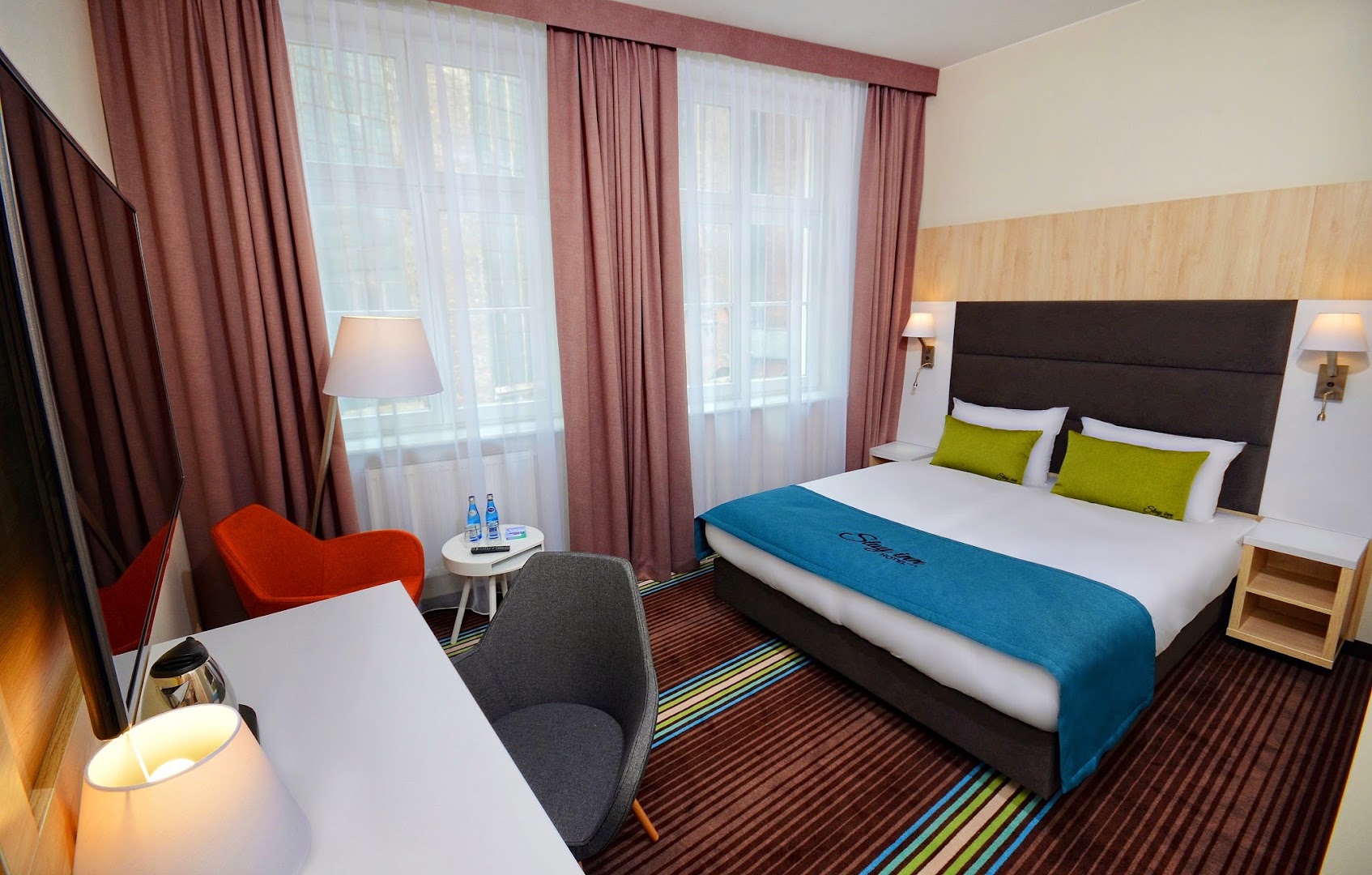
Stay Inn Hostel, GdanskBudget

Main Town hostel · Main Town (Glowne Miasto)

Stay Inn Hostel

A friendly, well-run hostel in the heart of the Main Town with both dorms and private rooms. It is minutes from St Mary's and the riverfront, a cheap and central base for the sights.

from ~18 EUR/night

Check prices
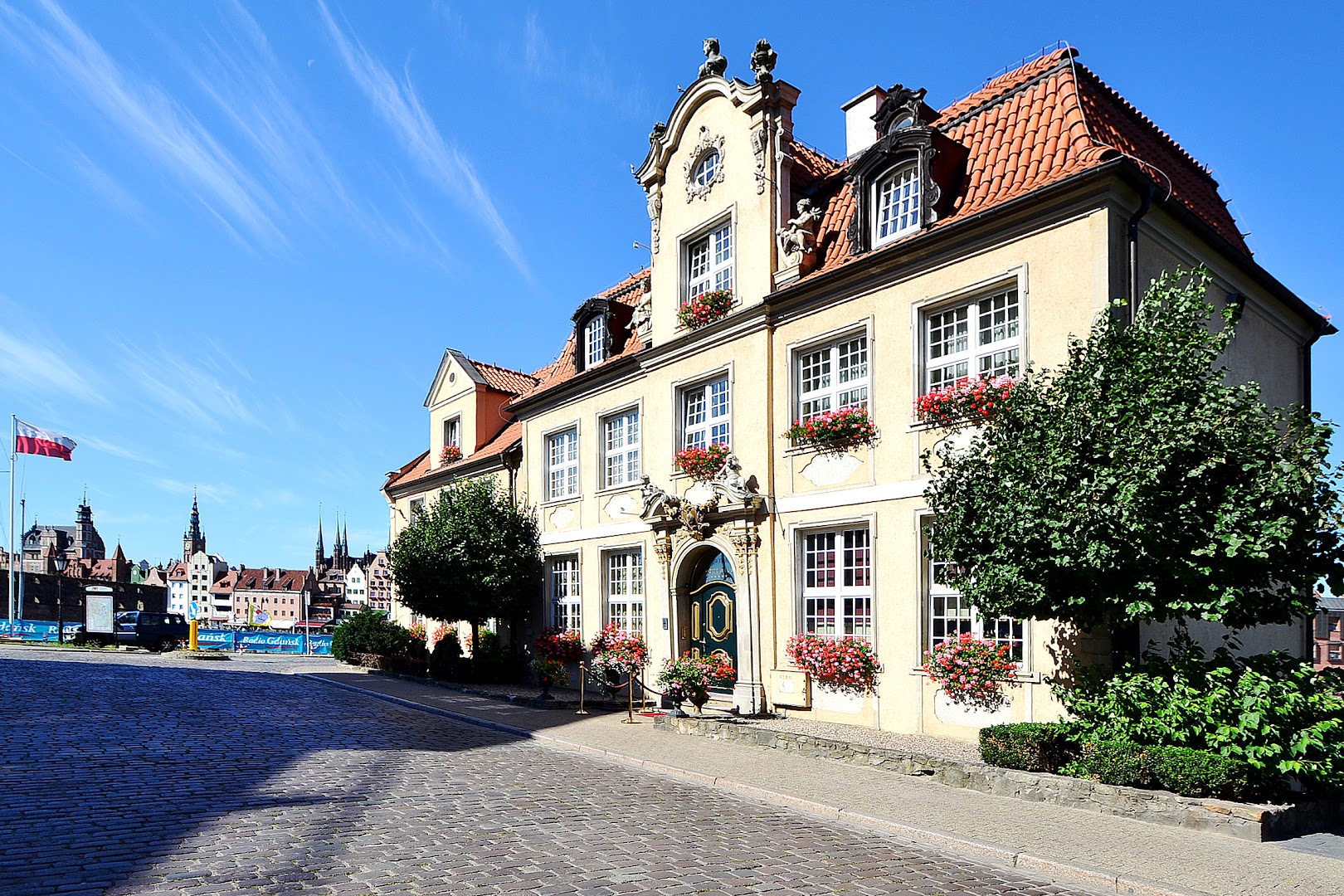
Hotel Podewils Old Town, GdanskSpecial occasions€€€

Baroque marina mansion · Granary Island (Wyspa Spichrzow)

Hotel Podewils Old Town

A small luxury hotel in a 1728 Baroque mansion on the Motlawa marina, with antique-furnished rooms and parquet floors. The best rooms look straight across the water to the crane and the Old Town waterfront.

from ~190 EUR/night

Check prices
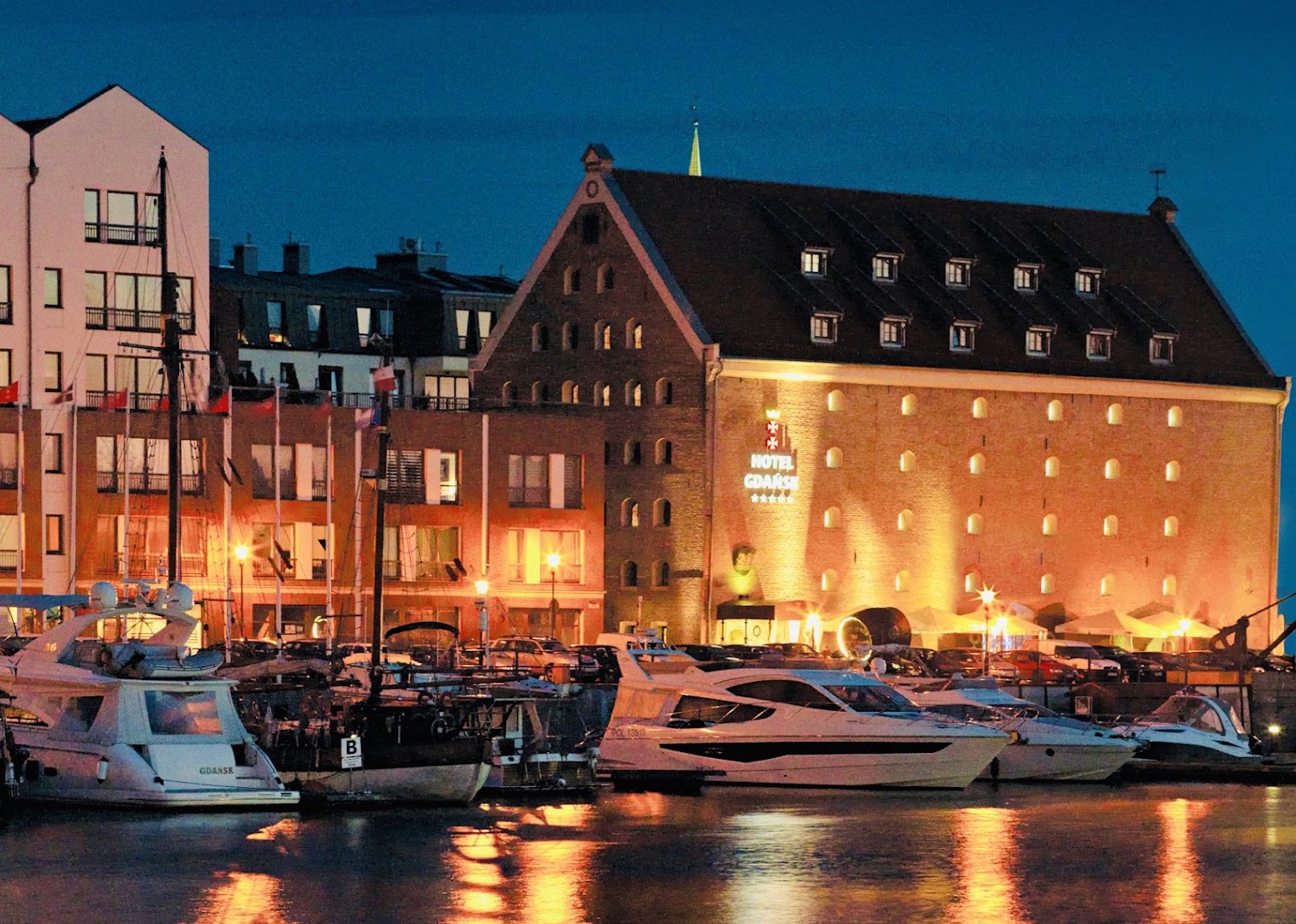
Hotel Gdansk Boutique, GdanskCouples€€

Brick waterfront boutique · Granary Island (Wyspa Spichrzow)

Hotel Gdansk Boutique

A design hotel in a converted red-brick granary on the Motlawa, with its own craft brewery and marina views. It is a short walk over the bridge to the Long Market and the amber lanes.

from ~130 EUR/night

Check prices

Real hotel photos · prices are indicative from-rates, not live quotes · booking links support the site at no extra cost

D1

Day 1

The Main Town, the amber lanes and the riverfront

Morning

  • The Royal Way and Golden Gate45 min

    Start at the Golden Gate and walk the Royal Way down Long Street with the morning sun behind you, the old royal route into the city. Take it slowly at twenty minutes and enjoy the run of gabled merchant houses before the crowds build.

    TipThe processional Royal Way runs through the Upland Gate and the Golden Gate, down Long Street and the Long Market to the Green Gate on the river, the route Polish kings once took into the city. It is free and best walked end to end in about twenty minutes; start at the Golden Gate end in the morning with the sun behind you for the cleanest photos down the whole run of gabled houses.

  • The Long Market (Dlugi Targ)45 min

    Move into the Long Market for Neptune's Fountain, Artus Court and the Golden House while the square is still quiet. Photograph the facades early, and pick your lunch spot a block back from the highest-priced terraces on the market itself.

    TipThis grand pedestrian square runs between the Golden Gate and the Green Gate, past Neptune's Fountain, Artus Court and the ornate Golden House, and it is free and always open. Come at around 8am for photos of the empty gabled facades before the tour groups and the amber sellers set up, and skip the terrace cafes here, which charge the highest prices in the city; eat a block back instead.

  • St Mary's Church1h15

    Climb the tower of St Mary's, the largest brick church in the world, on a clear morning for the view over the red roofs and the Motlawa. Pay the few zloty at the door, brace for around 400 steps, and see the astronomical clock in the nave below.

    TipThe largest brick church in the world holds a 15th-century astronomical clock and a tower you can climb. Entry to the nave is free with a small suggested donation, but the tower charges a few zloty and means around 400 steps up a tight spiral, so go early on a clear day for the view over the red roofs; it is a working church, so dress modestly and avoid Sunday services.

Afternoon

  • Pierogi and Milk Bars1h

    Break for cheap pierogi at a milk bar off the Long Market, freshest and busiest at midday, paid upfront canteen-style. Try the ruskie with potato and cheese before an easy afternoon around the amber lanes and the water.

    TipPolish pierogi dumplings, hearty plates at a bar mleczny (milk bar) and the local Goldwasser gold-flake liqueur are the cheap eats to try. Milk bars are canteen-style, cash-friendly and cheapest at lunch when the turnover is fast and the food freshest; expect to queue and pay upfront, and try the ruskie pierogi with potato and cheese, and a shot of Goldwasser, the drink invented here in 1598.

  • Mariacka Street1h

    Amble down Mariacka, the amber lane of terraced porches, gargoyle spouts and lanterns, from St Mary's to the river. Browse at leisure, but ask for a certificate before you buy, as imitation amber is common on the cheapest stalls.

    TipThis is the amber-shop lane, a run of terraced stone porches (przedproza), gargoyle rainspouts and lanterns from St Mary's down to the river gate. The shops open from about 10am and stay busy in summer; if you buy amber, check for a certificate of authenticity and haggle a little, as plastic imitations are common on the cheapest stalls.

  • The Crane (Zuraw)1h

    End at the medieval Crane on the Motlawa, the symbol of the city and part of the Maritime Museum, and look inside at the huge treadwheels. It shuts Mondays out of season, so check ahead, or simply photograph it from the bank.

    TipThe huge medieval port crane on the Motlawa is the emblem of the city and part of the National Maritime Museum, once used to lift cargo and step ships' masts. It closes on Mondays out of season, and the ticket lets you inside to see the giant treadwheels; if you only want the photo, shoot it from Granary Island across the river in the late afternoon light.

Evening

  • The Motlawa Riverfront1h30

    Walk the Dlugie Pobrzeze promenade in the evening light, past the old water gates and the boats, with Granary Island glowing opposite. Cross the footbridge for the classic view back at the gabled waterfront, then find dinner a little off the main square.

    TipThe Dlugie Pobrzeze promenade lines the river with old water gates, moored boats and terraces, with Granary Island opposite and the crane halfway along. It is free and open all day; from the jetties here you can catch a boat to Westerplatte or a short pleasure cruise, so check the timetable board in the morning, as departures thin out sharply after September.

D2

Day 2

Solidarity, the war, and the Old Town

Morning

  • European Solidarity Centre2h30

    Give the whole morning to the European Solidarity Centre at the shipyard, arriving early to beat the groups and taking at least two hours with the audioguide. It tells the story of Solidarity and the fall of communism, and it closes Tuesdays out of season.

    TipThis rust-clad museum at the old shipyard gate tells the story of Solidarity, Lech Walesa and the fall of communism across seven strong exhibition halls. Allow at least two hours, buy the audioguide, and come on a weekday morning to beat the school groups; it closes on Tuesdays out of season, and the free rooftop terrace and the shipyard gate with its memorial are worth the extra ten minutes.

Afternoon

  • Museum of the Second World War2h30

    After lunch, spend two to three hours in the Museum of the Second World War on the conflict that began beside Gdansk. It closes Mondays and is free but crowded one day a week, usually Tuesday, so leave time before the last tickets go a couple of hours ahead of closing.

    TipThis vast modern museum sits mostly underground on the war that began beside Gdansk, and the main exhibition is huge, so plan two to three hours. Entry is free on one day a week, usually Tuesday, when it is busiest, and it closes on Mondays; start early, as the last tickets go a couple of hours before closing and the queue builds by midday in summer.

  • The Amber Museum1h

    Round off in the Old Town at the Amber Museum in the medieval Great Mill, on the Baltic gold, the insects trapped in it and the craft of working it. It closes Mondays, takes about an hour, and sits a few minutes from the Solidarity Centre.

    TipThe museum of Baltic amber, the Gdansk gold, occupies the huge medieval Great Mill in the Old Town and covers how the resin forms, the trapped insects inside it and the craft of working it. It closes on Mondays; buy the ticket at the door, allow about an hour, and it pairs neatly with a walk over to the Solidarity Centre a few minutes north.

Evening

  • Pierogi and Milk Bars1h30

    Have a relaxed Polish dinner in the old town, pierogi and hearty plates, with a shot of Goldwasser, the gold-flake liqueur made in Gdansk since 1598. Keep it early if you want a full day up the coast tomorrow.

    TipPolish pierogi dumplings, hearty plates at a bar mleczny (milk bar) and the local Goldwasser gold-flake liqueur are the cheap eats to try. Milk bars are canteen-style, cash-friendly and cheapest at lunch when the turnover is fast and the food freshest; expect to queue and pay upfront, and try the ruskie pierogi with potato and cheese, and a shot of Goldwasser, the drink invented here in 1598.

D3

Day 3

The coast: Sopot, Oliwa, and a river cruise

Morning

  • Sopot Pier and Beach2h30

    Take the SKM train about twenty minutes to Sopot and walk the longest wooden pier in Europe out over the Baltic, with the sandy beach and Monte Cassino street behind. The pier charges a small fee in summer and is free out of season, and a clear morning gives the best sea light.

    TipThe longest wooden pier in Europe reaches out into the Baltic at the resort next door, with the sandy beach and the bar-lined Monte Cassino street behind it. Walking the pier charges a small fee in summer and is free out of season; take the SKM train to Sopot, about twenty minutes from Gdansk Glowny, and go on a clear afternoon for the sea light and the lighthouse view.

Afternoon

  • Oliwa Cathedral1h30

    On the way back, stop at Oliwa (SKM to Gdansk Oliwa, then a ten-minute walk through the park) for the Gothic cathedral and its huge Baroque organ of over 7,000 pipes. Entry is free, but time it for one of the short organ recitals, several a day in summer, so check the posted schedule.

    TipThe Gothic cathedral in leafy Oliwa, north of the centre, is famous for its enormous Baroque organ of over 7,000 pipes. Entry is free, but the draw is the short organ recital, held several times a day in summer and less often in winter, so check the posted schedule at the door; take the SKM train to Gdansk Oliwa and walk about ten minutes through the park.

Evening

  • The Motlawa Riverfront1h

    Back in Gdansk, take a short pleasure cruise on the Motlawa from the riverfront jetties for a last look at the crane and the gabled waterfront from the water. Check the timetable board, as departures thin out after September.

    TipThe Dlugie Pobrzeze promenade lines the river with old water gates, moored boats and terraces, with Granary Island opposite and the crane halfway along. It is free and open all day; from the jetties here you can catch a boat to Westerplatte or a short pleasure cruise, so check the timetable board in the morning, as departures thin out sharply after September.

  • 1h30

    For a final dinner, stay on the riverfront or cross to Granary Island for the view back, and toast the trip with a Goldwasser. If tomorrow is an early flight, remember the airport is about 12km west, roughly 35 minutes by PKM/SKM train from Gdansk Glowny for around 5 to 6 zloty.

Where to sleep for this itinerary

For 3 days, base yourself in Main Town (Glowne Miasto). This is the rebuilt postcard core, the Long Market and Mariacka running between St Mary's and the Motlawa, with the amber shops, the old gates and the terraces all within a few walkable blocks. It is the obvious base on a first, short trip, when you want every headline sight and the riverfront on your doorstep. It looks its best early and late in the day, before and after the tour groups pass through. Compare all neighborhoods in the full where-to-stay guide.

Hotels in Main Town (Glowne Miasto)
Loading hotel map…
Map shows live hotel prices. Open the full hotel search. Booking through it supports the site at no extra cost.

Short on time?

Gdansk in 2 days

Quick questions, straight answers

QIs 3 days enough for Gdansk?

Three days is the comfortable amount for Gdansk: the same walkable Main Town and the same two big museums as the two-day trip, spread out more slowly, plus a full third day for the coast. A relaxed first two days take the Royal Way and the Long Market, St Mary's, Mariacka and the crane, then the European Solidarity Centre and the Museum of the Second World War, with a boat to Westerplatte if the season is running. The third day heads up the Tricity by train: Sopot for the long wooden pier and the beach, or leafy Oliwa for the huge Baroque organ and a short recital, rounded off with a cruise on the Motlawa back in the city.

QWhere should I stay for 3 days in Gdansk?

Base yourself in Main Town (Glowne Miasto) for this itinerary. This is the rebuilt postcard core, the Long Market and Mariacka running between St Mary's and the Motlawa, with the amber shops, the old gates and the terraces all within a few walkable blocks. It is the obvious base on a first, short trip, when you want every headline sight and the riverfront on your doorstep. It looks its best early and late in the day, before and after the tour groups pass through.

QWhen is the best time for this Gdansk itinerary?

The plan works year round, but May, June, September give you the best weather-to-crowds ratio.