PerfectCityBreak
Day-by-day planNorway

Oslo in 3 days

3-day itineraryOSL · NORWAY

Three days is the comfortable length for Oslo: it covers the walkable fjord-front core, spreads out to the Bygdoy museums and buys a proper afternoon on the water that a two-day trip has to skip. Base yourself in Sentrum or Bjorvika for the central landmarks, and buy a Ruter transport day pass, which covers the metro, trams and the public island ferries, so the boat trips cost nothing extra. Day one keeps to the waterfront and centre with the free Opera roof, the Munch museum, Akershus fortress and the National Museum. Day two spreads west to the Vigeland park, up to the Holmenkollen ski jump viewpoint and an evening in Grunerlokka. Day three heads out by ferry to the Bygdoy peninsula for the Fram polar-ship and Kon-Tiki museums, then a short fjord ferry to the green island of Hovedoya to swim or picnic in summer. Book the Munch and National museums online in high season, note that the Viking Ship Museum is closed until around 2027, and plan hard around cost, because Oslo is one of Europe's most expensive cities and small things add up fast.

Duration

3 days

Base

Bjorvika

Mid budget

540 EUR

Best months

May · Jun · Jul

Sleep well for these 3 days

Picks sorted with our recommended base, Bjorvika, first. Book early: the good-value rooms go weeks ahead.

See all Oslo hotels
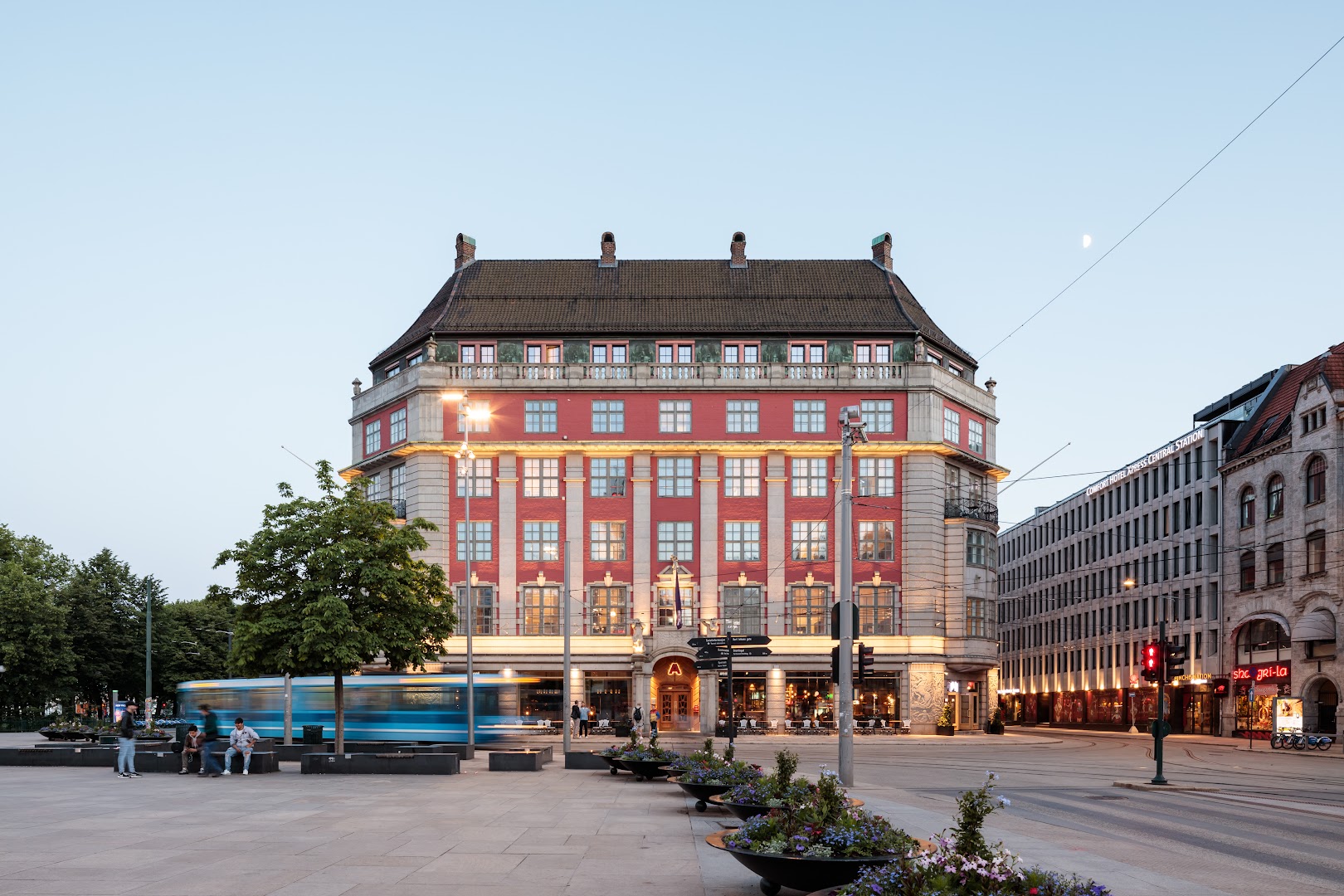
Amerikalinjen, OsloCouples€€

Jazz-age boutique · Bjorvika

Amerikalinjen

A design hotel in the 1919 headquarters of the Norwegian America Line, right by Oslo Central and the Bjorvika waterfront, with a lively cocktail bar and a listening room downstairs. It is a five-minute walk to the Opera House and the new Munch museum.

from ~210 EUR/night

Check prices
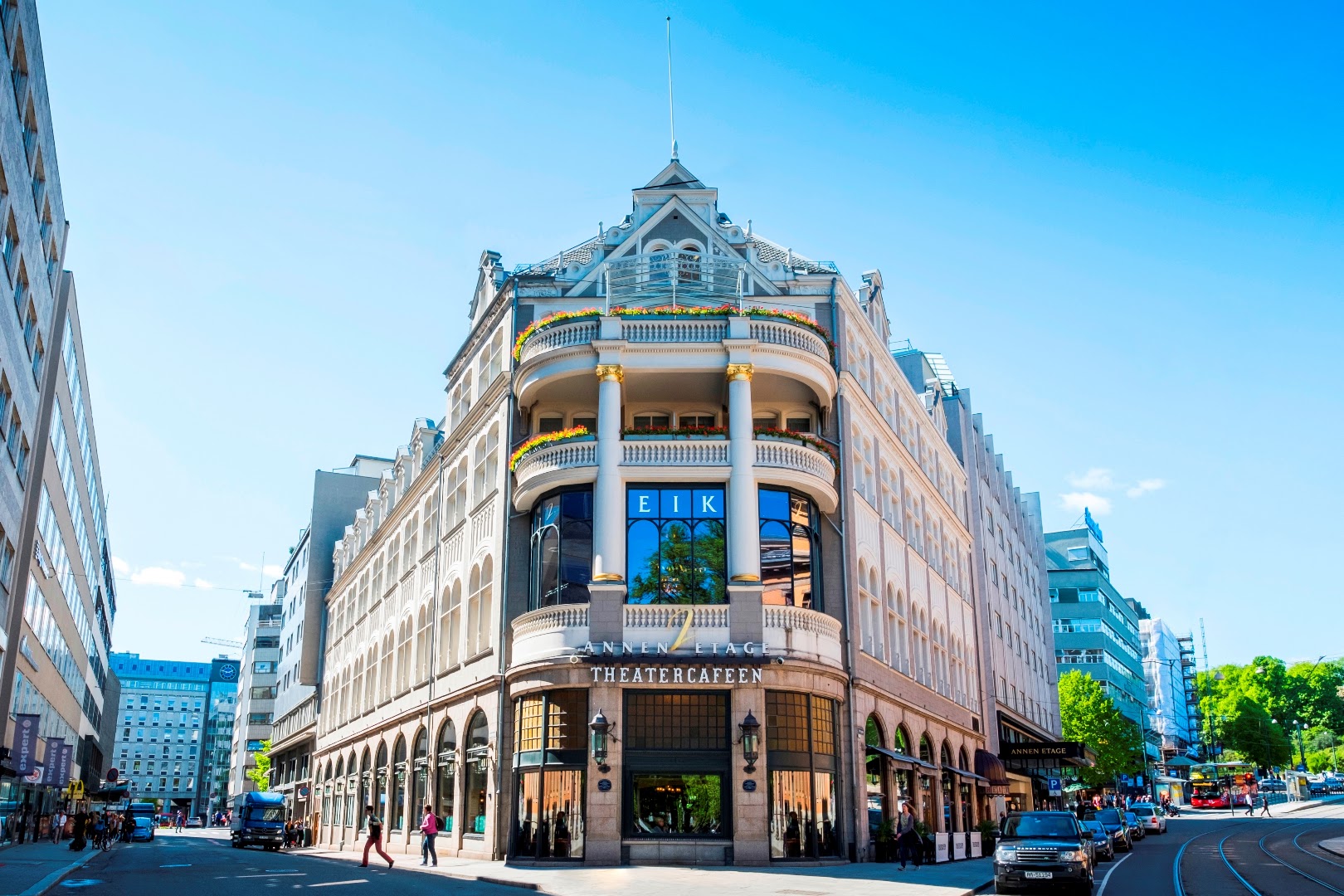
Hotel Continental Oslo, OsloSpecial occasions€€€

Grand family-run five-star · Sentrum

Hotel Continental Oslo

Oslo's grand hotel since 1900, still run by the same family, facing the National Theatre and steps from Karl Johans gate. The panelled Theatercafeen downstairs is a Viennese-style institution, and the walls hold a private collection of Munch prints.

from ~400 EUR/night

Check prices
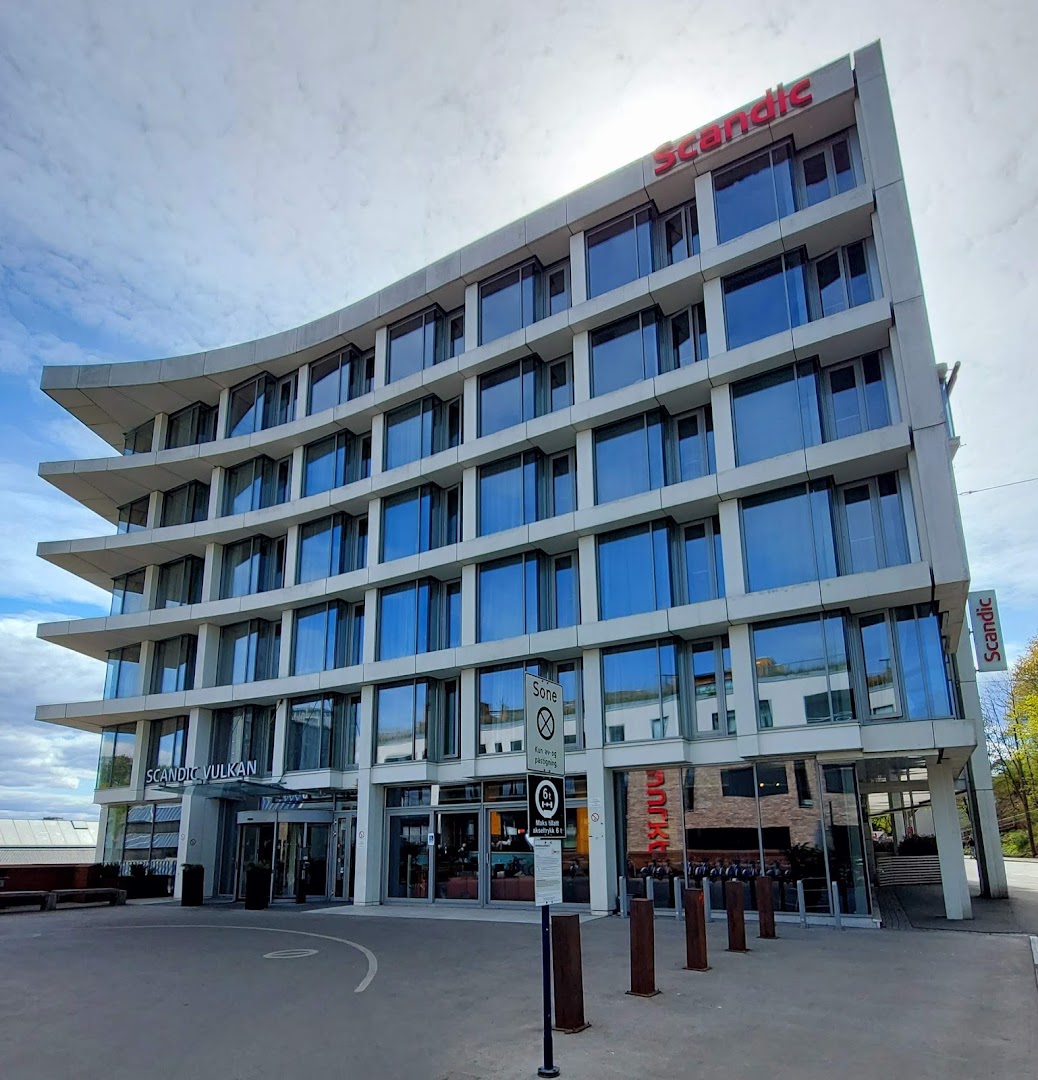
Scandic Vulkan, OsloFirst visit€€

Eco design at Mathallen · Grunerlokka

Scandic Vulkan

A modern, environmentally certified hotel in the Vulkan quarter next to the Mathallen food hall, on the edge of buzzing Grunerlokka. It is a tram ride or 20-minute walk from the centre, with the river walk and the district's cafes and bars on the doorstep.

from ~150 EUR/night

Check prices
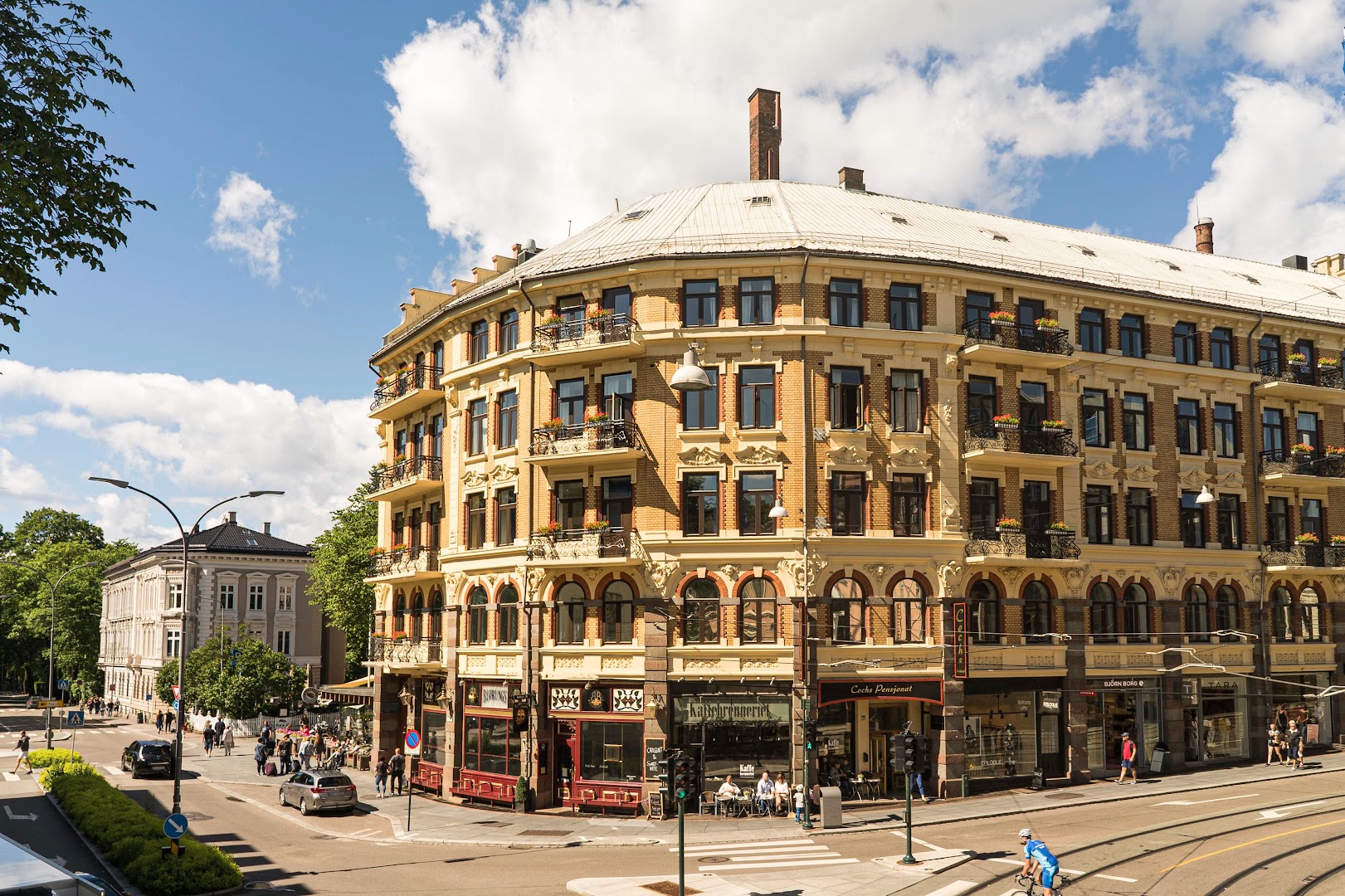
Cochs Pensjonat, OsloBudget

Classic pensjonat · Frogner

Cochs Pensjonat

A plain, friendly guesthouse behind the Royal Palace park, one of the few genuinely affordable beds in a very expensive city. Rooms are simple and some have kitchenettes, and the Vigeland park and Bogstadveien shops are a short walk away.

from ~75 EUR/night

Check prices

Real hotel photos · prices are indicative from-rates, not live quotes · booking links support the site at no extra cost

D1

Day 1

The fjord-front: Opera, Munch, Akershus and the waterfront

Morning

  • Oslo Opera House45 min

    Begin at the Opera House and walk up the free marble roof for a wide fjord view before the day fills up. The sloping stone is slippery in wet or icy weather, so wear proper shoes.

    TipThe white Carrara-marble roof slopes right down to the ground, so you can walk up to the top for free at any hour for a wide fjord and city view, no ticket needed. Go at sunset when the marble glows, wear grippy shoes as the stone is slick in rain or frost, and book a separate ticket only if you want to see an actual performance inside.

  • MUNCH Museum2h

    Head to the nearby MUNCH tower on your pre-booked slot for the largest Munch collection anywhere and a rotating version of The Scream. Two hours covers it, and the top-floor bar has the view.

    TipThe tilted 13-storey tower in Bjorvika holds the world's largest collection of Edvard Munch, including a version of The Scream shown on rotation to protect it. Book a timed ticket online in summer when walk-up queues build, allow two hours, and ride to the top-floor bar for a fjord view even if you skip the drink.

Afternoon

  • Barcode Row and the Akrobaten Bridge45 min

    Grab lunch a block inland, then cross the Akrobaten bridge over the tracks for a free elevated look at the Barcode towers on your way west. It is a fast, worthwhile detour.

    TipThe Barcode is a row of narrow high-rises of contrasting design behind the Opera House, best seen crossing the Akrobaten pedestrian bridge that arcs over the rail tracks for a free elevated view of the towers and the fjord. It is a quick 20-minute detour on the way between the station, the Opera and the Munch museum, and photographs well at dusk when the towers light up.

  • Akershus Fortress1h15

    Walk the harbour to Akershus Fortress and its free ramparts, high above the fjord and the Aker Brygge wharf. The grounds cost nothing; the castle interior and museums are the only paid parts.

    TipThe medieval royal castle and its ramparts guard the harbour from a headland, and the grounds are free to walk daily with commanding views over the fjord and Aker Brygge. Wander the walls and courtyards at no cost, pay only if you enter the castle interior or the on-site museums, and time a summer visit for the changing of the guard.

  • Astrup Fearnley Museum and Tjuvholmen1h15

    Continue through Aker Brygge to Tjuvholmen, where the Astrup Fearnley Museum sits by a free sculpture point and a small bathing cove. Walk the waterfront point whether or not you enter the galleries.

    TipThis contemporary art museum sits in a wave-roofed Renzo Piano building at the tip of Tjuvholmen, with a small free sculpture park and a city swimming cove right beside it. You can usually walk in without pre-booking outside peak weekends, and even if you skip the museum the waterfront point and its beach make a fine free stop on the Aker Brygge walk.

Evening

  • National Museum1h30

    Finish at the National Museum by the City Hall for Norway's largest collection and its painted The Scream, checking its closing time as it shuts earlier than the long summer light suggests. The top-floor gallery hall is worth the climb.

    TipNorway's largest art museum, opened in 2022 near the City Hall, gathers the national collection under one roof and holds its own painted version of The Scream in the Munch room. Book online in peak season, budget at least two hours for the scale of it, and head up to the light-filled top-floor gallery hall that is worth the climb on its own.

  • 2h

    Dinner on the Aker Brygge waterfront terraces or a street inland for a fairer price, then a late harbour walk while the summer sky stays bright past 10pm. Save your feet, as tomorrow spreads further out.

D2

Day 2

Vigeland park, Holmenkollen and Grunerlokka

Morning

  • Vigeland Sculpture Park1h30

    Start early at the free, always-open Vigeland sculpture park in Frogner for its 200-plus figures and the famous angry-toddler bronze. Morning light and empty paths give the best photographs.

    TipNorway's most visited attraction sets more than 200 Gustav Vigeland bronze and granite figures along an axis inside Frogner park, including the famous angry-toddler Sinnataggen, and it is free and open around the clock. Come early morning or late evening for empty photos and soft light, and combine it with a picnic since the surrounding park is huge and green.

  • Holmenkollen Ski Jump and Viewpoint2h

    Take metro line 1 up to Holmenkollen, a scenic 30-minute ride, for the giant ski jump and its free panoramic viewpoint over Oslo and the fjord. The ski museum and simulator are the only paid extras.

    TipRide metro line 1 about 30 minutes from the centre up to Holmenkollen for the giant modern ski jump that looms over the city, with a panoramic viewpoint at the top of the tower over Oslo and the fjord. The forecourt and views are free; pay only for the ski museum and the tower zip line or jump simulator, and the ride up is scenic in its own right.

Afternoon

  • Karl Johans gate and Oslo Cathedral1h15

    Ride back and walk Karl Johans gate past the parliament and National Theatre, ducking into the free Oslo Cathedral for its painted ceiling outside services. Lunch one street off the boulevard for better value.

    TipThe main boulevard runs from the central station up to the Royal Palace, passing the parliament, the National Theatre and the 17th-century Oslo Cathedral whose painted ceiling and stained glass are free to see. Walk it end to end to orient yourself on arrival, and step into the cathedral outside service hours, but eat one street back to dodge the boulevard's tourist prices.

  • Royal Palace and Slottsparken1h

    Walk up to the Royal Palace and the free Slottsparken, aiming for the 1.30pm changing of the guard. Book ahead if you want one of the summer-only guided interior tours.

    TipThe Royal Palace closes the top of Karl Johans gate, and the surrounding Slottsparken gardens are free to walk while the daily changing of the guard happens at 1.30pm. You can only enter the palace itself on guided tours that run in summer and sell out, so book those ahead online if the interior matters, otherwise just enjoy the free ceremony and park.

Evening

  • Mathallen Food Hall and Grunerlokka1h30

    Cross to Grunerlokka and the Mathallen food hall for a stall-crawl dinner that beats a full restaurant bill, arriving before its early-evening close and not on a Monday. The Akerselva river path is the nicest way in.

    TipThe Mathallen indoor food hall on the Akerselva river gathers dozens of stalls and small eateries under one roof, a rare way to eat well in Oslo without a full restaurant bill, though it closes early evening and all day Monday. Combine it with a stroll up into Grunerlokka's cafe-lined squares, and follow the river path past the old mills for a free green walk.

  • 2h

    Stay out in Grunerlokka's bar and cafe squares for the city's most relaxed local night, better value than the waterfront and an easy tram ride from the centre. This is where Oslo feels least like a tourist stop.

D3

Day 3

Bygdoy museums and a fjord island

Morning

  • Fram Polar Ship Museum1h30

    Take the summer ferry from the City Hall pier out to the Bygdoy peninsula, about 10 minutes on the water, to the Fram Museum built around the actual polar ship you can board and explore. Your Ruter day pass covers the bus route if the ferry is not running.

    TipOut on the Bygdoy peninsula, this museum is built around the actual Fram, the wooden ship that carried Nansen and Amundsen to the polar ice, and you can climb aboard and walk its decks. Reach it in about 10 minutes on the summer ferry from the City Hall pier or by bus 30 year-round, and combine it with the Kon-Tiki museum next door on a single Bygdoy trip.

  • Kon-Tiki Museum1h

    Walk two minutes to the Kon-Tiki Museum for Thor Heyerdahl's original balsa raft and the Ra II reed boat, under an hour to see. Note the Viking Ship Museum nearby is closed for rebuilding until around 2027 as the Museum of the Viking Age.

    TipA two-minute walk from the Fram, this museum displays Thor Heyerdahl's original Kon-Tiki balsa raft and the Ra II reed boat from his ocean-crossing expeditions. It is small enough for under an hour, so pair it with the Fram on the same Bygdoy visit, and note the Viking Ship Museum nearby is closed for rebuilding and is due to reopen around 2027 as the Museum of the Viking Age.

Afternoon

  • Fjord Ferry to Hovedoya Island2h30

    Ferry back to the centre and pick up the public B1 island ferry from Aker Brygge to Hovedoya, under 10 minutes and covered by your transport pass with no separate boat fare. Bring a picnic and swimwear in summer for the meadows, monastery ruins and bathing rocks.

    TipPublic ferry B1 from Aker Brygge reaches the green island of Hovedoya in under 10 minutes, and because it is a regular city ferry your Ruter transport day pass or single ticket covers it with no separate boat fare. Bring a picnic and swimwear in summer for the meadows, monastery ruins and bathing rocks, as there are few shops on the island.

  • 1h

    Back on the mainland, retrace part of the harbour promenade for a last fjord walk, or revisit the free Opera roof if you missed the sunset light on day one. Both cost nothing on a city where most things do not.

Evening

  • 2h

    Last dinner back in Bjorvika or on the Aker Brygge wharf for a final fjord-front meal, or head to Grunerlokka once more for a fairer bill. Toast the trip early, as prices for a round in Oslo will focus the mind.

  • 30 min

    If you fly out early, remember Gardermoen airport is 50km north: allow for the Flytoget express from Oslo Central, about 20 minutes, or the cheaper Vy regional train on the same line at around 25 minutes. Neither is quick to reach if your hotel is not near the station.

Where to sleep for this itinerary

For 3 days, base yourself in Bjorvika. The reclaimed fjord-front east of the station is Oslo's boldest new quarter, built around the marble Opera House, the angular Munch museum, the Deichman central library and the Barcode row of towers. It is modern, open and made for waterfront walking, with a harbour promenade linking it back to the centre. Base here to sleep among the landmark architecture with the Opera roof as your evening stroll. Compare all neighborhoods in the full where-to-stay guide.

Hotels in Bjorvika
Loading hotel map…
Map shows live hotel prices. Open the full hotel search. Booking through it supports the site at no extra cost.

Short on time?

Oslo in 2 days

Quick questions, straight answers

QIs 3 days enough for Oslo?

Three days is the comfortable length for Oslo: it covers the walkable fjord-front core, spreads out to the Bygdoy museums and buys a proper afternoon on the water that a two-day trip has to skip. Base yourself in Sentrum or Bjorvika for the central landmarks, and buy a Ruter transport day pass, which covers the metro, trams and the public island ferries, so the boat trips cost nothing extra. Day one keeps to the waterfront and centre with the free Opera roof, the Munch museum, Akershus fortress and the National Museum.

QWhere should I stay for 3 days in Oslo?

Base yourself in Bjorvika for this itinerary. The reclaimed fjord-front east of the station is Oslo's boldest new quarter, built around the marble Opera House, the angular Munch museum, the Deichman central library and the Barcode row of towers. It is modern, open and made for waterfront walking, with a harbour promenade linking it back to the centre. Base here to sleep among the landmark architecture with the Opera roof as your evening stroll.

QWhen is the best time for this Oslo itinerary?

The plan works year round, but May, June, July give you the best weather-to-crowds ratio.