PerfectCityBreak
Day-by-day planBulgaria

Sofia in 2 days

2-day itinerarySOF · BULGARIA

Yes, two full days covers the heart of Sofia comfortably, because almost everything central sits within a fifteen-minute walk of the Serdika metro. Day one takes the ancient core: the Roman ruins under the metro, the 4th-century St George Rotunda, the Archaeological Museum's Thracian gold, Alexander Nevsky Cathedral and an evening on pedestrian Vitosha Boulevard. Day two rides out to Boyana Church for the 1259 frescoes, the one sight that genuinely needs booking, since entry runs in groups of 8 to 10 for short timed slots, then returns for the mineral-water fountains, the mosque, the synagogue and the Zhenski Pazar market, finishing in the creative Kvartal quarter. Base yourself in the City Centre so every sight and the airport metro line are at your door. Budget stress is low: Sofia is one of the cheapest EU capitals, and 45 EUR a day covers a modest but real trip. What two days cannot fit is Vitosha mountain; for the summit hike or a ski day, take the three-day plan.

Duration

2 days

Base

City Centre

Mid budget

170 EUR

Best months

May · Jun · Sep

Sleep well for these 2 days

Picks sorted with our recommended base, City Centre, first. Book early: the good-value rooms go weeks ahead.

See all Sofia hotels
InterContinental Sofia, SofiaLandmark stay€€€

Polished grand hotel · City Centre

InterContinental Sofia

Sofia's flagship five-star on Narodno Sabranie Square, where the upper corner rooms look straight at the gold domes of Alexander Nevsky Cathedral. The spa has an indoor pool and the parliament, the city garden and the Serdika ruins are all within a ten-minute walk.

from ~220 EUR/night

Check prices
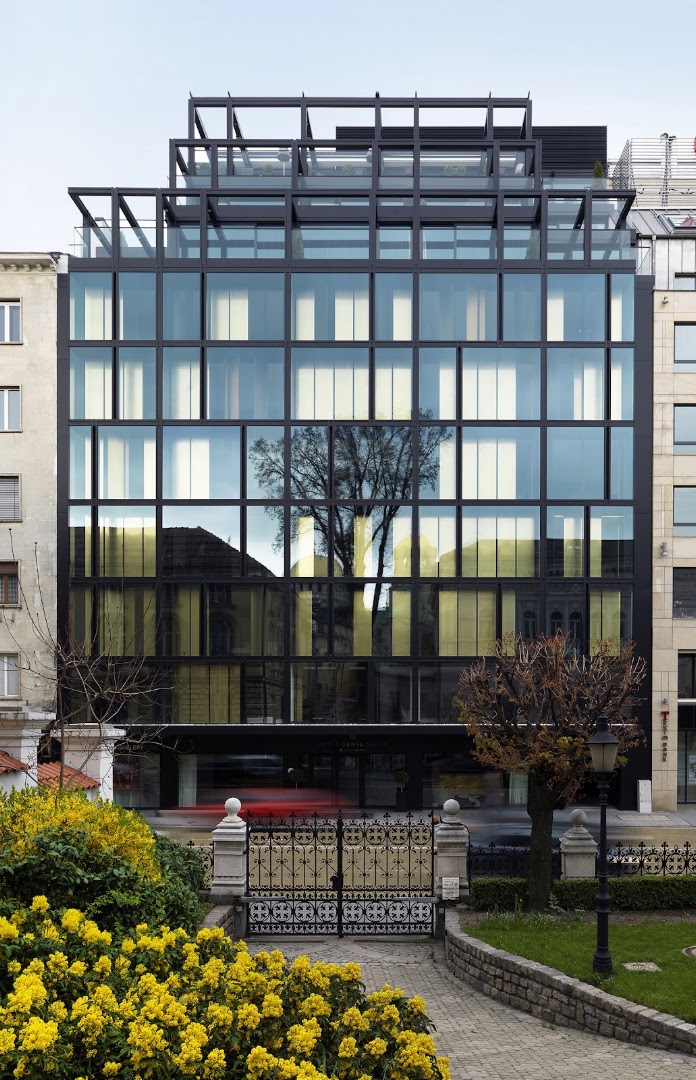
Sense Hotel Sofia, SofiaDesign lovers€€

Design hotel with rooftop · City Centre

Sense Hotel Sofia

A sleek glass-fronted design hotel on Tsar Osvoboditel Boulevard, best known for its rooftop bar with a straight-on view of Alexander Nevsky Cathedral at sunset. Rooms are minimal in white and dark wood, and the location puts the whole museum quarter on foot.

from ~140 EUR/night

Check prices
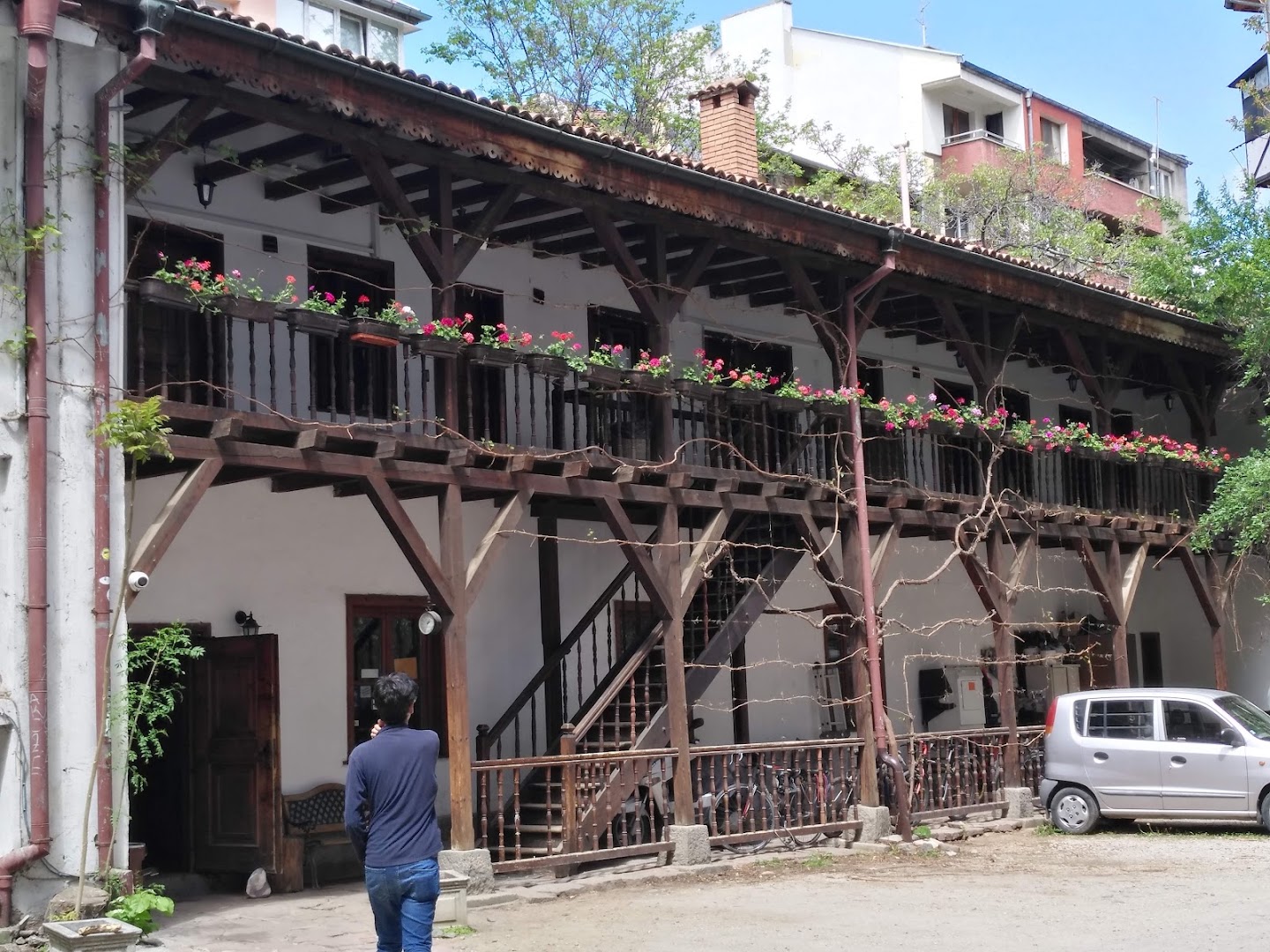
Hostel Mostel, SofiaBudget

Backpacker institution · City Centre

Hostel Mostel

Sofia's best-known backpacker hostel, set in a former 19th-century inn on Makedonia Boulevard, a short walk from Vitosha Boulevard. The nightly rate includes breakfast and a light evening meal, which keeps an already cheap city even cheaper.

from ~15 EUR/night

Check prices
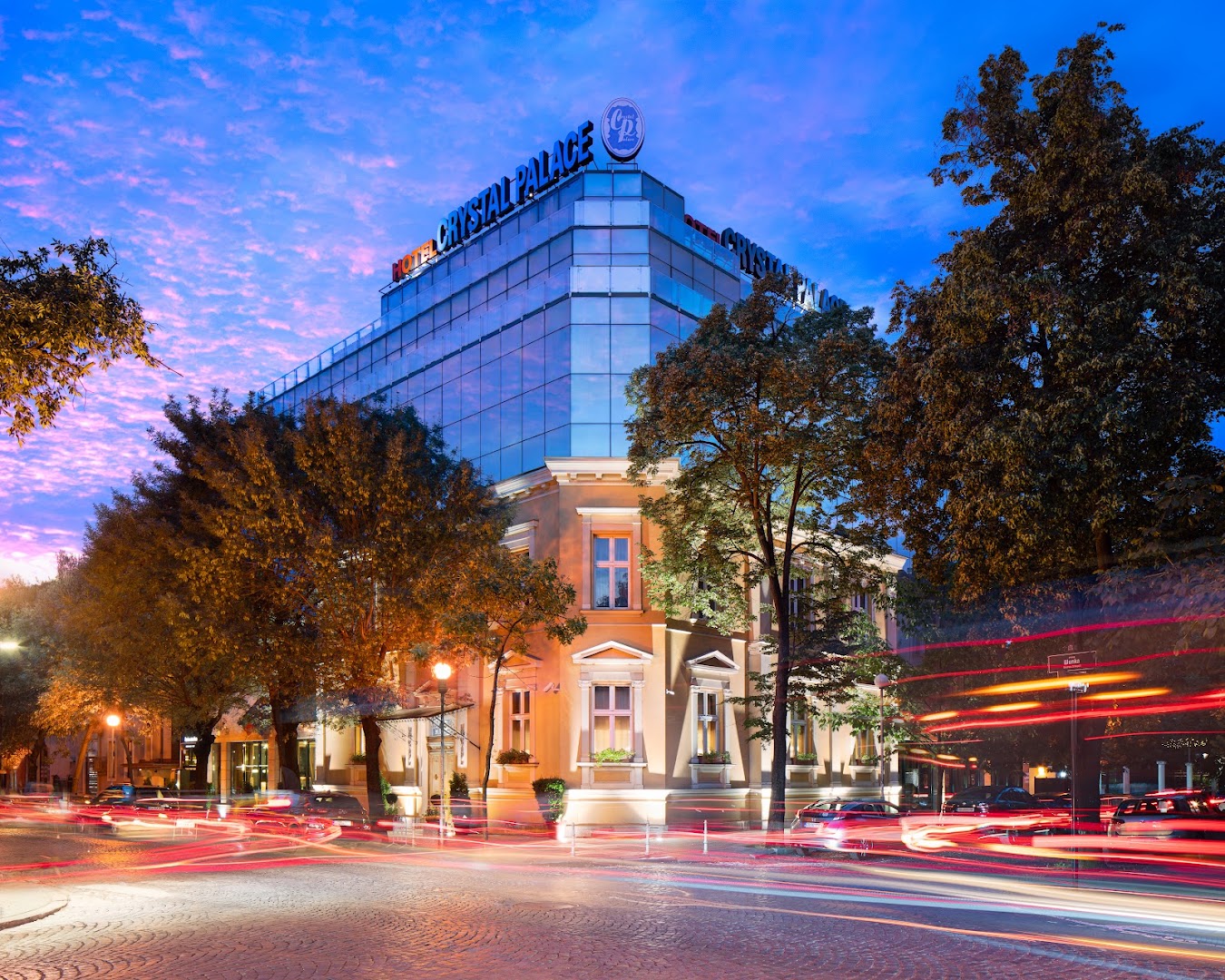
Crystal Palace Boutique Hotel, SofiaQuiet comfort€€

Restored 1900s mansion · Oborishte

Crystal Palace Boutique Hotel

A boutique hotel built around a restored early-1900s mansion on leafy Shipka Street, five minutes on foot from Alexander Nevsky Cathedral. The embassy-district block is calm at night, and the glass extension keeps the period facade as its centrepiece.

from ~90 EUR/night

Check prices

Real hotel photos · prices are indicative from-rates, not live quotes · booking links support the site at no extra cost

D1

Day 1

Roman Serdika, the golden domes and Vitosha Boulevard

Morning

  • Ancient Serdika Archaeological Complex40 min

    Start beneath your feet: walk the free open-air Roman streets of Serdika under the glass domes at the metro interchange, entering from the Largo underpass. Twenty minutes of panels and paving stones set up everything else you will see.

    TipThe excavated streets, baths and houses of Roman Serdika sit directly beneath the Serdika metro interchange and the open-air sections under the glass domes are free to walk through whenever the metro runs. Enter from the underpass between the Largo government buildings and read the info panels eastward; the fenced indoor section with mosaics keeps office-style hours, so do the free open ruins first and add the ticketed part only if a mosaic floor matters to you.

  • St George Rotunda40 min

    Cross to the courtyard behind the Presidency for the 4th-century St George Rotunda, the oldest building in the city, with its three layers of medieval frescoes. Time your exit for the top of the hour and the changing of the guard outside.

    TipSofia's oldest building, a red-brick Roman rotunda from the 4th century, hides in the courtyard between the Presidency and the Sheraton, ringed by more Serdika ruins; entry is free and it works as a functioning church, so keep quiet and skip photos during morning liturgy. Look up for three layers of frescoes from the 10th to 14th centuries, then time your exit for the top of the hour to catch the changing of the guard at the Presidency entrance a few steps away.

  • National Archaeological Museum1h

    Walk two minutes to the National Archaeological Museum in its former Ottoman mosque and go straight to the Thracian gold hoards. Arriving near opening usually means having the main hall almost to yourself; an hour covers it.

    TipHoused in a 15th-century former Ottoman mosque opposite the Presidency, the museum concentrates Bulgaria's Thracian treasures, including gold from the Valchitran and Lukovit hoards, into a single manageable hall an hour is enough to cover. It opens daily in summer and closes Mondays in winter, and the ticket runs about 5 to 6 EUR; go at opening time and you will often share the main hall with only the guards.

Afternoon

  • Ivan Vazov National Theatre and City Garden1h

    Lunch off the tourist axis, then cut through the City Garden past the chess players to the gilded facade of the Ivan Vazov National Theatre, the best-looking building in the centre. The garden benches are free front-row seats.

    TipThe 1907 national theatre presents Sofia's grandest facade, Viennese columns and gilded pediment facing a fountain pool across the City Garden, where pensioners play speed chess at the fixed tables every afternoon, free theatre in itself. Performances are in Bulgarian, but tickets start at only a few euros if you want the interior; otherwise come around golden hour, when the facade lights up and the garden benches are the best people-watching in the centre.

  • Alexander Nevsky Cathedral1h15

    Walk ten minutes east to Alexander Nevsky Cathedral, free to enter, and add the crypt's medieval icon collection on its separate ticket if it is not a Monday. Buy the small photo permit at the candle desk if you want interior shots.

    TipEntry to the vast neo-Byzantine cathedral is free and it opens daily from about 7am to 6pm, but buy the small photo permit at the candle desk if you want interior shots. The crypt houses Bulgaria's best medieval icon collection as a branch of the National Gallery, with its own ticket and separate entrance left of the main steps; it closes on Mondays. Come back after dark, when the floodlit gold domes are the city's best free photo.

Evening

  • Vitosha Boulevard1h30

    Walk the length of pedestrian Vitosha Boulevard toward the mountain filling the end of the street, best in the last afternoon light. Have a drink on a terrace here, but move one street east or west for dinner, where the same food costs a third less.

    TipThe pedestrian main street runs dead straight at the mountain, so on a clear day the snow-capped ridge fills the end of the view; walk it in late afternoon when the light hits the peaks. Terrace cafes here charge the highest prices in Sofia for ordinary food, so treat the boulevard as a promenade and coffee stop, then eat one or two streets east or west, where the same dishes cost a third less.

  • National Palace of Culture (NDK)1h

    End at the NDK park at the boulevard's southern end, where fountains, skaters and open-air bars fill the space in front of the huge 1981 palace of culture. Climb the pedestrian bridge for the night photo back down the axis.

    TipThe hulking 1981 concrete congress hall anchors the southern end of Vitosha Boulevard behind a long park of fountains, skaters and open-air cafes; the park is free and best at sunset when the mountain glows behind the building. Check the NDK box office or site for cheap same-week tickets to concerts and Sofia Film Fest screenings in March, and climb the pedestrian bridge over the boulevard for the best photo of the axis toward Vitosha.

D2

Day 2

Boyana frescoes, mineral water and the market quarter

Morning

  • Boyana Church1h30

    Take a taxi or bus out to Boyana Church for your reserved slot among the 1259 frescoes, admitted 8 to 10 people at a time for about 10 to 15 minutes with no photos. Book ahead through the National History Museum; the combined ticket adds the museum next door if you want it.

    TipThe tiny UNESCO-listed church holds a complete fresco cycle painted in 1259, realistic portraits eighty years before Giotto, and conservation rules admit only 8 to 10 people at a time for a strict 10-to-15-minute slot with no photos inside. Reserve ahead by phone or through the National History Museum, which sells a combined ticket, and take the guided commentary, which is included; without a booking in high season you can wait an hour or more in the garden.

  • Museum of Socialist Art1h15

    On the way back, detour by metro to G. M. Dimitrov for the Museum of Socialist Art, where the Lenin statues and the red star from the Party House ended up after 1989. Entry is a few euros; it closes Mondays.

    TipThe open-air sculpture park gathers the Lenin statues, red star and heroic monuments removed from Sofia's streets after 1989, with a hall of socialist-realist painting and propaganda newsreels inside; entry costs only a few euros and it closes on Mondays. Take the metro to G. M. Dimitrov station, from which it is a signposted five-minute walk; the giant red star that once topped the Party House headquarters sits by the entrance and is the piece to see.

Afternoon

  • Central Mineral Baths and hot fountains1h15

    Back in the centre, give the striped Central Mineral Baths building an hour for the Regional History Museum, then join the locals at the free fountains beside it, filling bottles with drinkable 37C spring water. Bring an empty bottle.

    TipThe striped Vienna-Secession bathhouse of 1913 now holds the Regional History Museum of Sofia, open Tuesday to Sunday, worth an hour for the royal carriages and the story of the city under its floors. The real free attraction is beside the building: public fountains running drinkable mineral water at around 37C from the springs Sofia was founded on, where locals queue with bottles all day; bring an empty bottle and fill up like everyone else.

  • Banya Bashi Mosque1h

    Step across to the 1576 Banya Bashi Mosque, visitable free outside the five daily prayer times, then walk the hundred metres to the 1909 Sofia Synagogue with its 1.7-tonne chandelier, closed to visits on Saturdays. Together they make Sofia's square of tolerance.

    TipBuilt in 1576 and attributed to the great Ottoman architect Mimar Sinan, this is Sofia's only working mosque, and visitors are welcome outside the five daily prayer times; entry is free, shoes come off at the door, and women should carry a headscarf. It stands within a hundred metres of the synagogue, the cathedral-facing churches and the former mosque now housing the Archaeological Museum, so string all of them into one short walk locals call the square of tolerance.

Evening

  • Zhenski Pazar Women's Market1h

    Wander into the Zhenski Pazar market streets before the stalls wind down, picking up sirene cheese, fruit and a banitsa pastry for under 2 EUR. The surrounding blocks are the raw, real Sofia the polished centre has ironed out.

    TipSofia's century-old open-air market runs daily from early morning, and mornings are the time to come, when the produce stalls are full and the mix of Bulgarian grandmothers, Middle Eastern grocers and spice sellers is at its liveliest. Prices are the lowest in the city, so stock up on sirene cheese, lukanka sausage and seasonal fruit for a picnic, and grab a fresh banitsa pastry from one of the bakeries on the surrounding streets for under 2 EUR.

  • 2h

    Stay in the Kvartal quarter for the evening, where craft-beer bars, galleries and cheap kitchens fill the streets around the market. Dinner and drinks here cost less than a single main course would on Vitosha Boulevard.

Where to sleep for this itinerary

For 2 days, base yourself in City Centre. The wedge between the Serdika ruins and pedestrian Vitosha Boulevard packs nearly every headline sight into a fifteen-minute walking radius, with the snow-capped mountain closing the view at the end of the main street. Hotels span hostel to five-star, the metro interchange sits underneath, and cafes and bars run late along Vitosha Boulevard and the side streets. It is the obvious base for a first or short visit. Compare all neighborhoods in the full where-to-stay guide.

Hotels in City Centre
Loading hotel map…
Map shows live hotel prices. Open the full hotel search. Booking through it supports the site at no extra cost.

Got longer?

Sofia in 3 days

Quick questions, straight answers

QIs 2 days enough for Sofia?

Yes, two full days covers the heart of Sofia comfortably, because almost everything central sits within a fifteen-minute walk of the Serdika metro. Day one takes the ancient core: the Roman ruins under the metro, the 4th-century St George Rotunda, the Archaeological Museum's Thracian gold, Alexander Nevsky Cathedral and an evening on pedestrian Vitosha Boulevard. Day two rides out to Boyana Church for the 1259 frescoes, the one sight that genuinely needs booking, since entry runs in groups of 8 to 10 for short timed slots, then returns for the mineral-water fountains, the mosque, the synagogue and the Zhenski Pazar market, finishing in the creative Kvartal quarter.

QWhere should I stay for 2 days in Sofia?

Base yourself in City Centre for this itinerary. The wedge between the Serdika ruins and pedestrian Vitosha Boulevard packs nearly every headline sight into a fifteen-minute walking radius, with the snow-capped mountain closing the view at the end of the main street. Hotels span hostel to five-star, the metro interchange sits underneath, and cafes and bars run late along Vitosha Boulevard and the side streets. It is the obvious base for a first or short visit.

QWhen is the best time for this Sofia itinerary?

The plan works year round, but May, June, September give you the best weather-to-crowds ratio.