PerfectCityBreak
Day-by-day planItaly

Bologna in 2 days

2-day itineraryBLQ · ITALY

Two full days is enough for the heart of Bologna. The centre is compact and walkable under its porticoes, so Piazza Maggiore and San Petronio, the climb up the Asinelli tower, the Quadrilatero market, the Archiginnasio, Santo Stefano and the university quarter all fit without a rush. The one thing to book is the Asinelli tower, which sells timed tickets online, so grab a morning slot a day or two ahead. Base yourself in the centro storico so the towers, the basilica and the markets are minutes from your door. Day one takes Piazza Maggiore and San Petronio, the booked tower climb, a Quadrilatero lunch, the Archiginnasio and Santo Stefano, then a dinner of tortellini and tagliatelle. Day two does the university quarter and the Pinacoteca, the little canal window, a market lunch and the long portico up to San Luca, then an aperitivo. What you give up at this pace is a day trip and the modern-art museum. For Modena or Ferrara, or MAMbo and the Morandi rooms, take the three-day version.
Duration

2 days

Base

Centro Storico

Mid budget

210 EUR

Best months

May · Jun · Sep

Sleep well for these 2 days

Picks sorted with our recommended base, Centro Storico, first. Book early: the good-value rooms go weeks ahead.

See all Bologna hotels
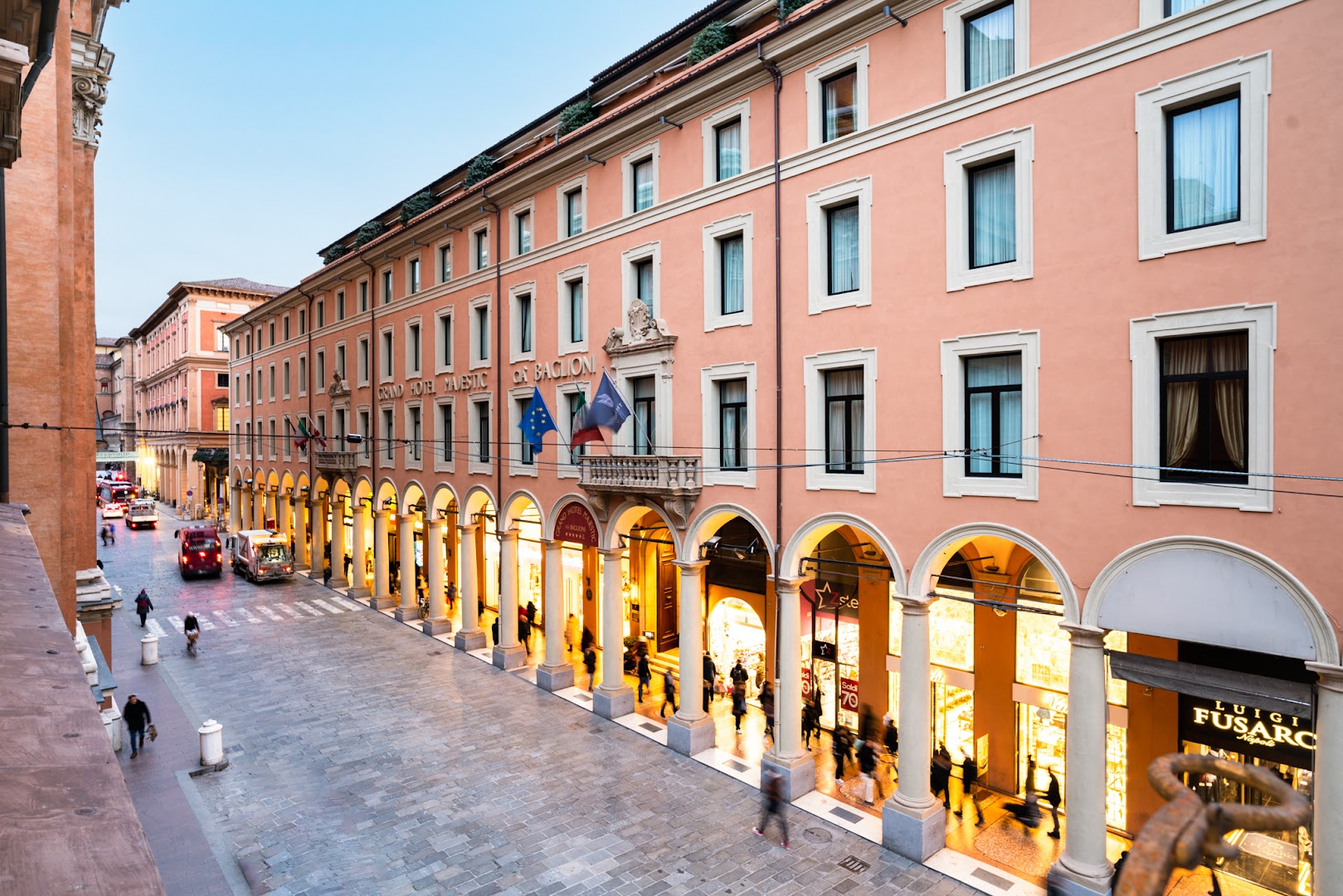
Grand Hotel Majestic gia Baglioni, BolognaSpecial occasions€€€

Historic five-star · Centro Storico

Grand Hotel Majestic gia Baglioni

The city's grand old five-star just off Via dell'Indipendenza, with opulent frescoed rooms and a formal restaurant. It is a two-minute walk from Piazza Maggiore and the towers, so you pay for both the address and the old-world polish.

from ~300 EUR/night

Check prices
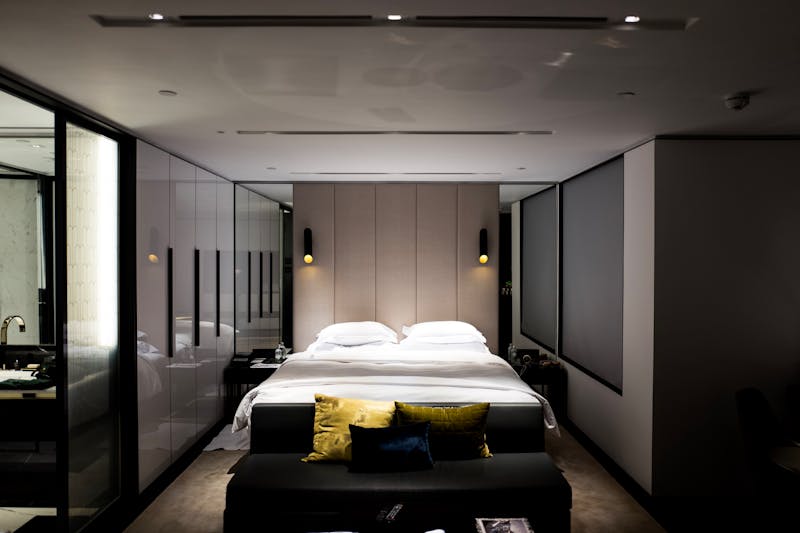
Stylish boutique hotel roomCouples€€

Central design boutique · Centro Storico

Art Hotel Novecento

A stylish boutique hotel in a 1930s Viennese-Secession building on quiet Piazza Galileo, steps from Piazza Maggiore. Rooms are calm and design-led, and the central-yet-tucked-away location keeps the night noise down.

from ~150 EUR/night

Check prices
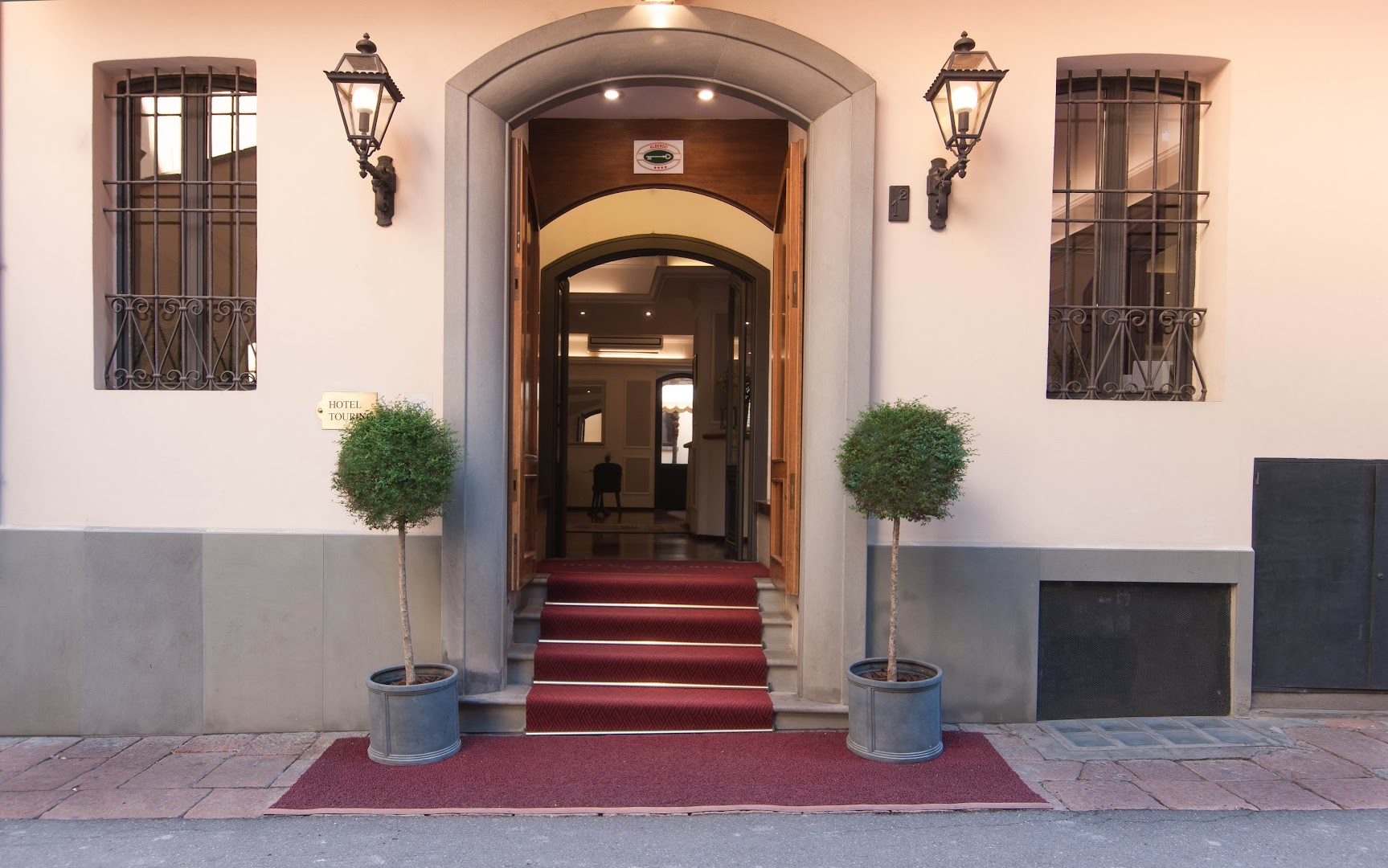
Hotel Touring, BolognaFirst visit€€

Rooftop-terrace hotel · Santo Stefano

Hotel Touring

A friendly mid-range hotel just south of Piazza Maggiore in the calm Santo Stefano quarter. Its rooftop terrace has a small hot tub looking out over the red rooftops, a rare touch at this price.

from ~120 EUR/night

Check prices
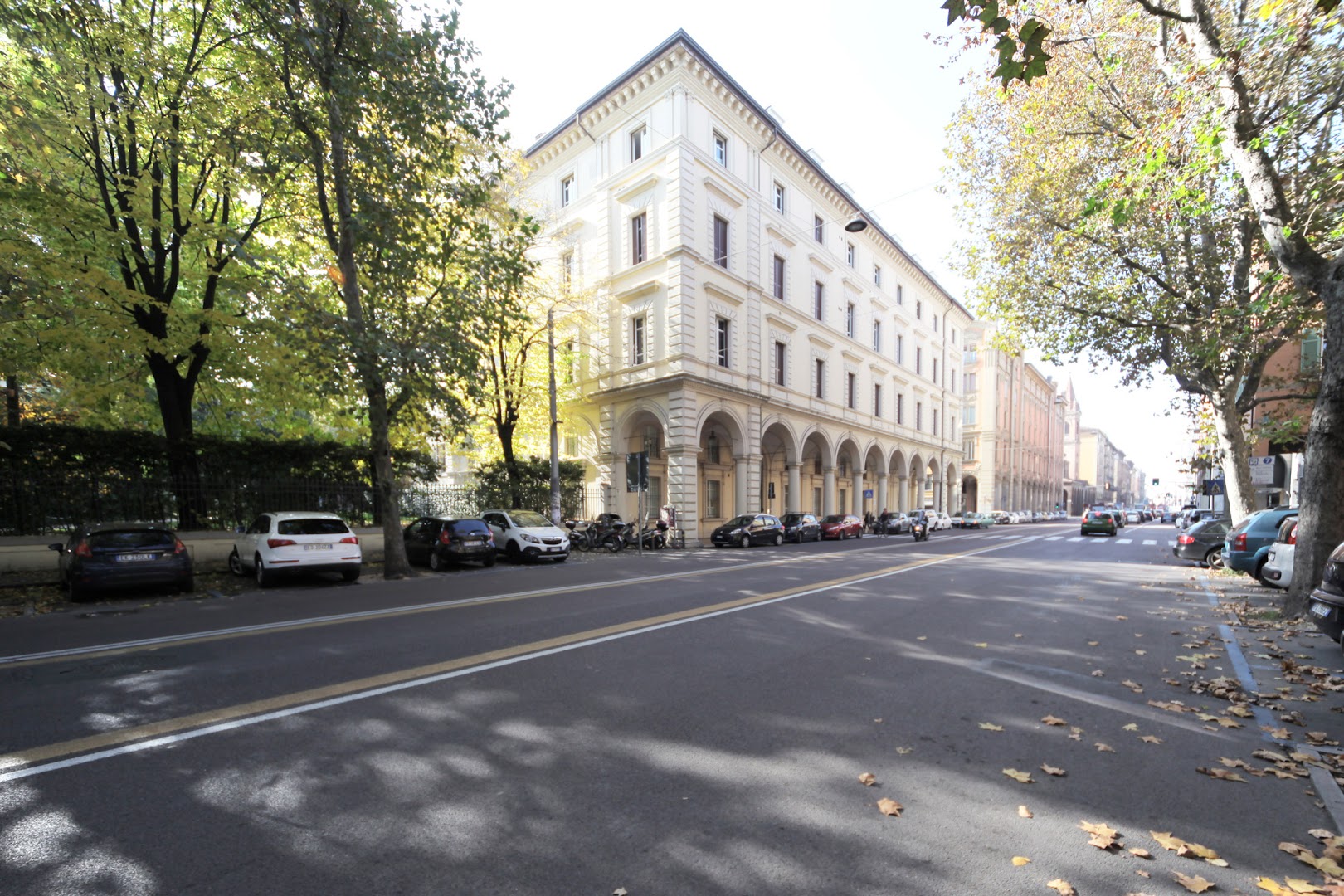
Dopa Hostel, BolognaBudget

Design hostel · Bolognina and the Station

Dopa Hostel

A bright, design-led hostel near the station with both dorms and private rooms. It is a sociable and cheap base a short walk or monorail ride from the centre, handy for early trains and the airport.

from ~30 EUR/night

Check prices

Real hotel photos · prices are indicative from-rates, not live quotes · booking links support the site at no extra cost

D1

Day 1

Piazza Maggiore, the tower and the Quadrilatero

Morning

  • Piazza Maggiore45 min

    Start on Piazza Maggiore, taking in San Petronio's half-finished facade, the Palazzo d'Accursio and Neptune's Fountain on the adjoining square. Go early while it is quiet, and step into the free Palazzo d'Accursio courtyard for a raised look over the piazza.

    TipThe grand main square gathers the huge Basilica di San Petronio, the Palazzo d'Accursio town hall and, on the adjoining Piazza del Nettuno, Giambologna's muscular Neptune's Fountain. It is free and always open, best seen early before the crowds or at dusk when the brick glows; climb the free steps into the Palazzo d'Accursio courtyard for a raised look over the square.

  • Basilica di San Petronio45 min

    Head into the vast brick Basilica di San Petronio, free to enter, and find Cassini's brass meridian line running across the floor, the world's longest indoor sundial. Keep the visit short so you make your tower slot on time.

    TipThis vast Gothic basilica on Piazza Maggiore is one of the biggest brick churches in the world, and its half-finished facade, bare stone above a marble base, was never completed. Entry to the church is free; look for the world's longest indoor meridian sundial line, a brass strip set into the floor by Cassini in 1655, and note there is a small fee and a no-photos rule inside the side chapels.

  • The Two Towers (Due Torri)1h

    Take your pre-booked timed climb up the Asinelli tower, all 498 steep wooden steps of it, for the panorama over the red roofs. There is no lift and the stairs are narrow, so a morning slot means clearer light and cooler air.

    TipThe leaning medieval Asinelli and Garisenda towers are the city's symbol, and you climb the taller Asinelli, all 498 wooden steps of it, for the rooftop panorama, as the shorter Garisenda is fenced off and closed. Entry is by timed ticket only, so book a slot online a day or two ahead; there is no lift, the stairs are steep and narrow, and morning light is best for photos over the red roofs.

Afternoon

  • The Quadrilatero Market1h15

    Drop down into the Quadrilatero lanes for lunch, grazing the stalls of mortadella, cheese and fresh pasta or sitting down at a counter. Come mid-morning to early afternoon while the stalls are at their busiest, and note some shut on Thursday afternoons.

    TipThe medieval grid of Via Pescherie Vecchie and Via Drapperie packs stalls of mortadella, aged cheese, fresh tortellini and glistening fish into a few lanes just off the main square. Come mid-morning to see the stalls at their best and buy a picnic, or after 6pm for the standing aperitivo when the crowd thickens; many food shops shut on Sunday and on Thursday afternoons.

  • Archiginnasio and Anatomical Theatre1h

    Walk two minutes to the Archiginnasio, the old university seat, its walls plastered with student coats of arms. Buy the cheap ticket for the carved wooden Anatomical Theatre, and come in the afternoon knowing it shuts on Sunday afternoons.

    TipThe old seat of the university has walls and ceilings covered in thousands of carved and painted student coats of arms, and its carved wooden Anatomical Theatre was where public dissections were staged. The courtyard and staircases are free; the Anatomical Theatre and the Stabat Mater hall need a cheap ticket, and it closes on Sunday afternoons, so come in the morning.

  • Santo Stefano (Seven Churches)45 min

    Wind south to Santo Stefano and its linked Seven Churches on the pretty triangular piazza, one of the oldest and quietest corners of the city. Entry is free, half an hour is plenty, and dress modestly as it is a working religious site.

    TipThis interlinked complex of churches, chapels and courtyards on the triangular Piazza Santo Stefano is one of the quietest and oldest corners of the city, parts of it built on a Roman temple. Entry is free and it takes about half an hour to wind through the linked spaces; dress modestly as it is a working religious site, and the piazza terraces outside are a fine spot for a coffee afterwards.

Evening

  • Tortellini, Tagliatelle and Mortadella2h

    Settle in for dinner of tagliatelle al ragu and tortellini in brodo at a small trattoria off the main lanes, washed down with a glass of Lambrusco. Book ahead, as the good spots fill fast and many close on Sunday evening.

    TipBologna is the birthplace of tagliatelle al ragu, never spaghetti bolognese, which locals will tell you does not exist here, along with tortellini in brodo, mortadella and fizzy red Lambrusco. Order the tagliatelle or a plate of tortellini in a small trattoria off the main lanes, and book dinner ahead at the well-known spots, as the good ones fill and many shut on Sunday evening.

D2

Day 2

The university quarter and the San Luca portico

Morning

  • Pinacoteca Nazionale1h30

    Walk the porticoed Via Zamboni into the university quarter and spend the morning in the Pinacoteca Nazionale, strong on the Carracci and the Bolognese school. It closes on Mondays, so check the day, and ninety minutes covers the highlights.

    TipThe national gallery in the university quarter is strong on the Bolognese school, with rooms of the Carracci, Guido Reni and Guercino, and it is rarely crowded. It closes on Mondays, so plan around that; entry is a modest fee, an hour and a half covers the highlights, and it pairs well with a walk down the porticoed Via Zamboni.

  • La Finestrella (Little Window)20 min

    Cut back toward the centre and find La Finestrella on Via Piella, the little window onto the hidden Moline canal and the city's paved-over waterways. It takes two minutes; expect a short queue for the tiny opening and go on a bright morning for the photo.

    TipA small window in a wall on Via Piella opens onto the hidden Moline canal, a surviving stretch of the medieval waterways that once powered the city's silk mills before they were paved over. It is free and takes two minutes; go on a bright day for the best photo, and expect a short queue as people take turns at the tiny opening.

Afternoon

  • Mercato delle Erbe1h

    Have lunch at the covered Mercato delle Erbe west of the centre, picking a casual counter among the produce stalls. Aim for around 1pm, and remember it shuts on Sunday and on Thursday afternoons.

    TipThis covered market west of the centre mixes fruit and veg stalls with casual lunch counters and, in the evening, a run of busy bars, so it works for both a cheap sit-down lunch and an aperitivo. It shuts on Sunday and, like much of Bologna, on Thursday afternoons; come around 1pm for the lunch counters or after 7pm when the bar crowd builds.

  • Portico di San Luca2h30

    Spend the afternoon on the Portico di San Luca, the world's longest at 3.8km and 666 arches, climbing to the hilltop sanctuary and its view over the plain. Walk it in about an hour, or take the San Luca Express train or bus 20 and the funicular to skip the steepest part.

    TipThe world's longest portico runs 3.8km and 666 arches uphill to the Sanctuary of the Madonna di San Luca, which crowns the hill with a wide view over the city and the plain. The climb takes about an hour on foot and is covered the whole way, so it works in rain or heat; to skip the hardest stretch, take the San Luca Express tourist train or bus 20 plus the funicular from Meloncello.

Evening

  • 1h30

    Back in the centre, join the aperitivo hour in the Quadrilatero or on Piazza Santo Stefano, a glass of Pignoletto or Lambrusco with a plate of mortadella and crescentine. It is the local way to start the evening, cheap and sociable, before a late dinner if you are still hungry.

Where to sleep for this itinerary

For 2 days, base yourself in Centro Storico. The historic core wraps around Piazza Maggiore, the Two Towers and the porticoed lanes, with every headline sight a few minutes on foot. It is handsome, walkable and central, all warm brick and covered arcades, and it puts you in the middle of the food and the evening buzz. Base here on a first, short trip when you want the towers, the basilica and the markets on your doorstep. Compare all neighborhoods in the full where-to-stay guide.

Hotels in Centro Storico
Loading hotel map…
Map shows live hotel prices. Open the full hotel search. Booking through it supports the site at no extra cost.

Got longer?

Bologna in 3 days

Quick questions, straight answers

QIs 2 days enough for Bologna?

Two full days is enough for the heart of Bologna. The centre is compact and walkable under its porticoes, so Piazza Maggiore and San Petronio, the climb up the Asinelli tower, the Quadrilatero market, the Archiginnasio, Santo Stefano and the university quarter all fit without a rush. The one thing to book is the Asinelli tower, which sells timed tickets online, so grab a morning slot a day or two ahead.

QWhere should I stay for 2 days in Bologna?

Base yourself in Centro Storico for this itinerary. The historic core wraps around Piazza Maggiore, the Two Towers and the porticoed lanes, with every headline sight a few minutes on foot. It is handsome, walkable and central, all warm brick and covered arcades, and it puts you in the middle of the food and the evening buzz. Base here on a first, short trip when you want the towers, the basilica and the markets on your doorstep.

QWhen is the best time for this Bologna itinerary?

The plan works year round, but May, June, September give you the best weather-to-crowds ratio.